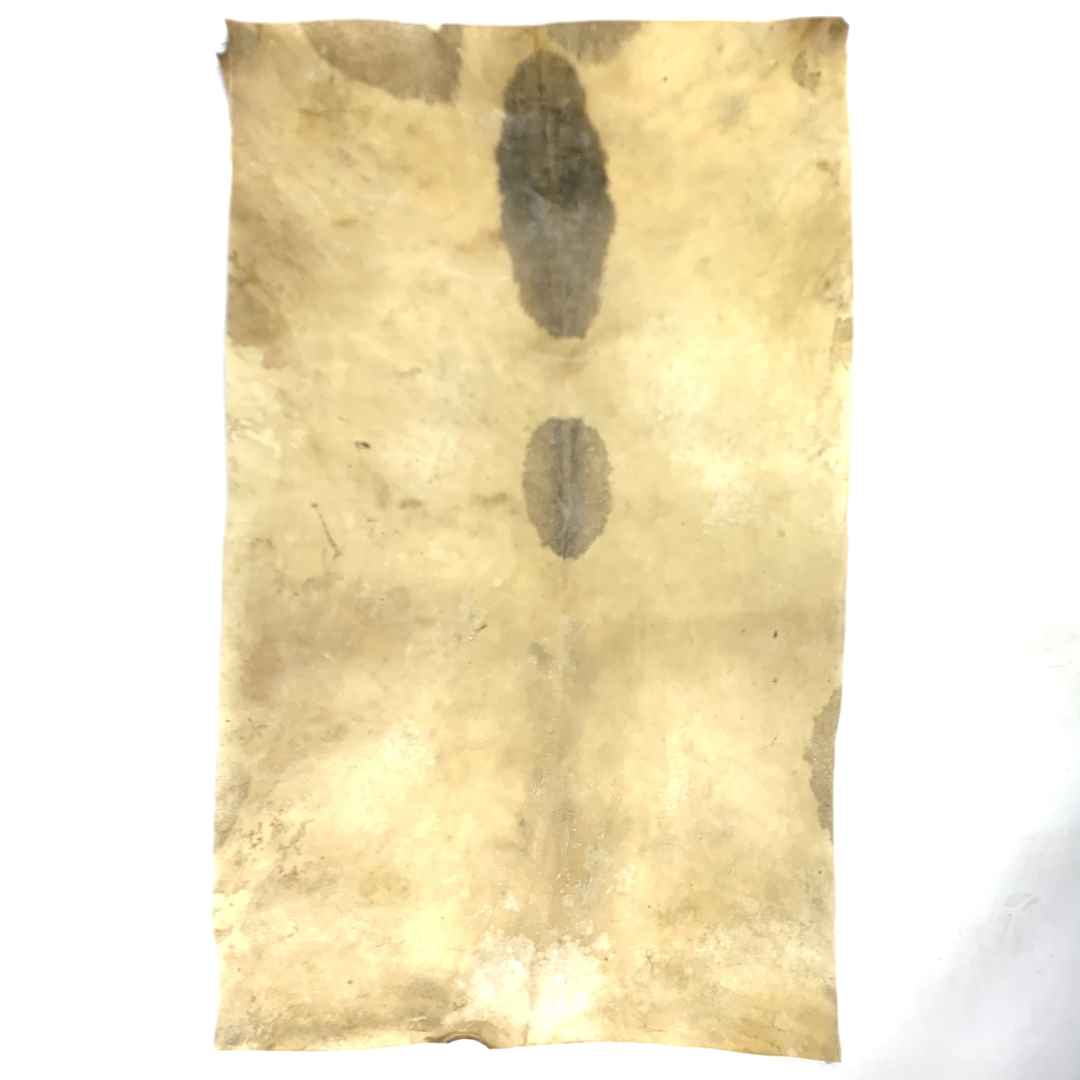
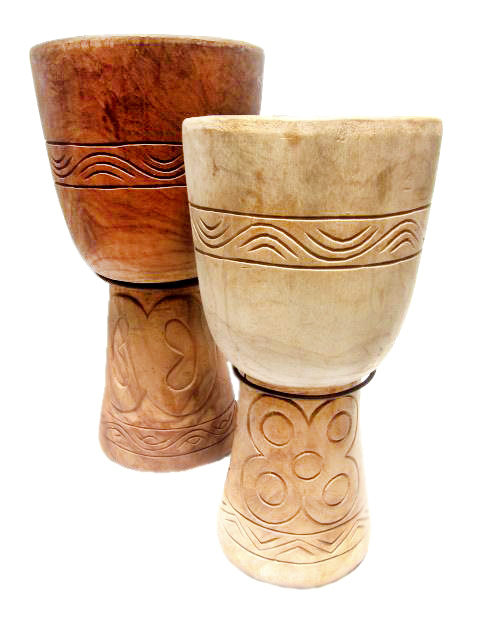
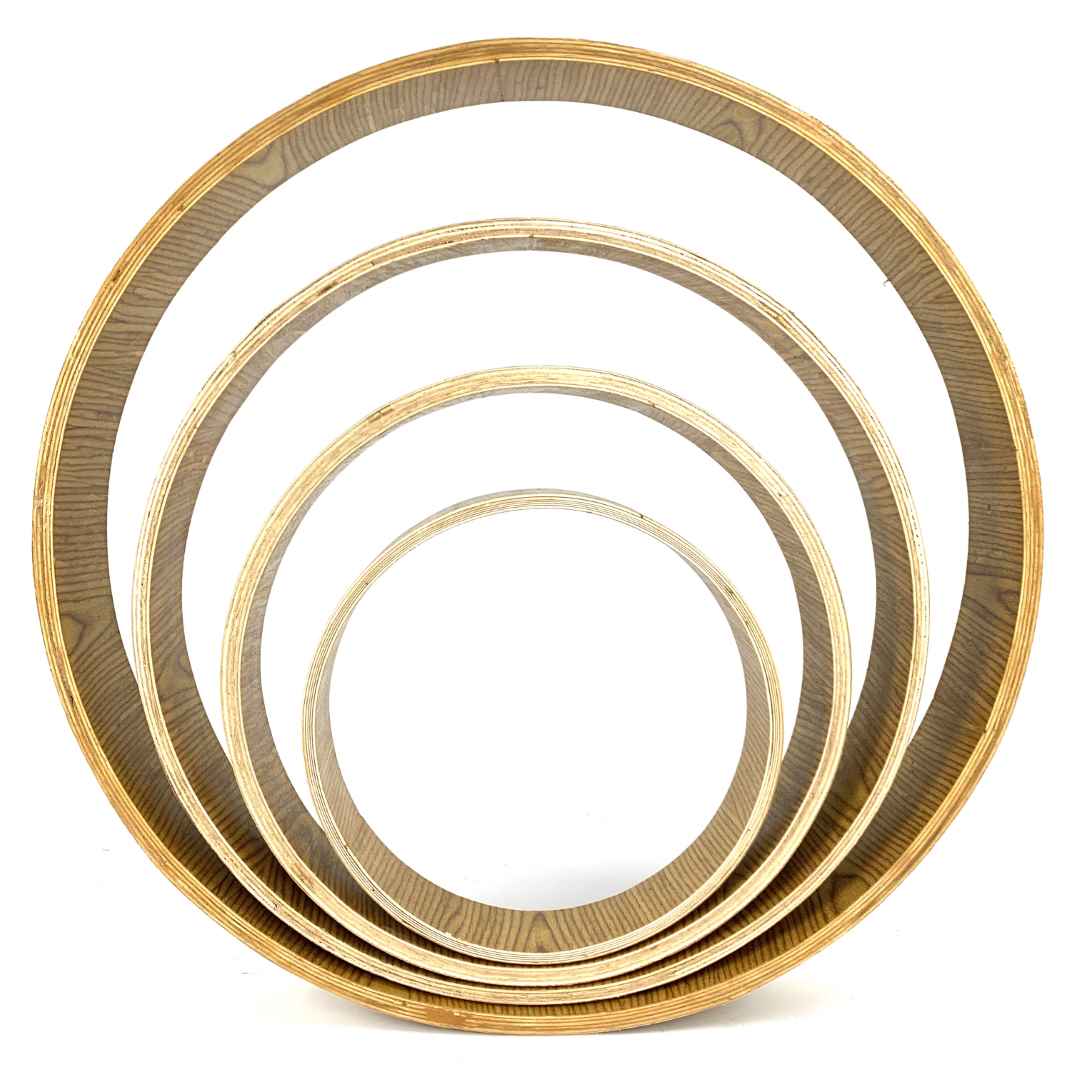
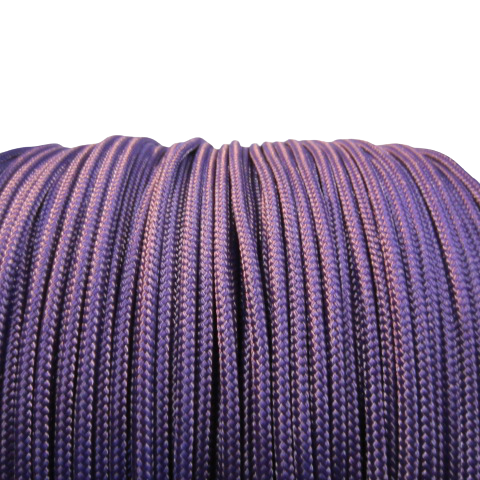
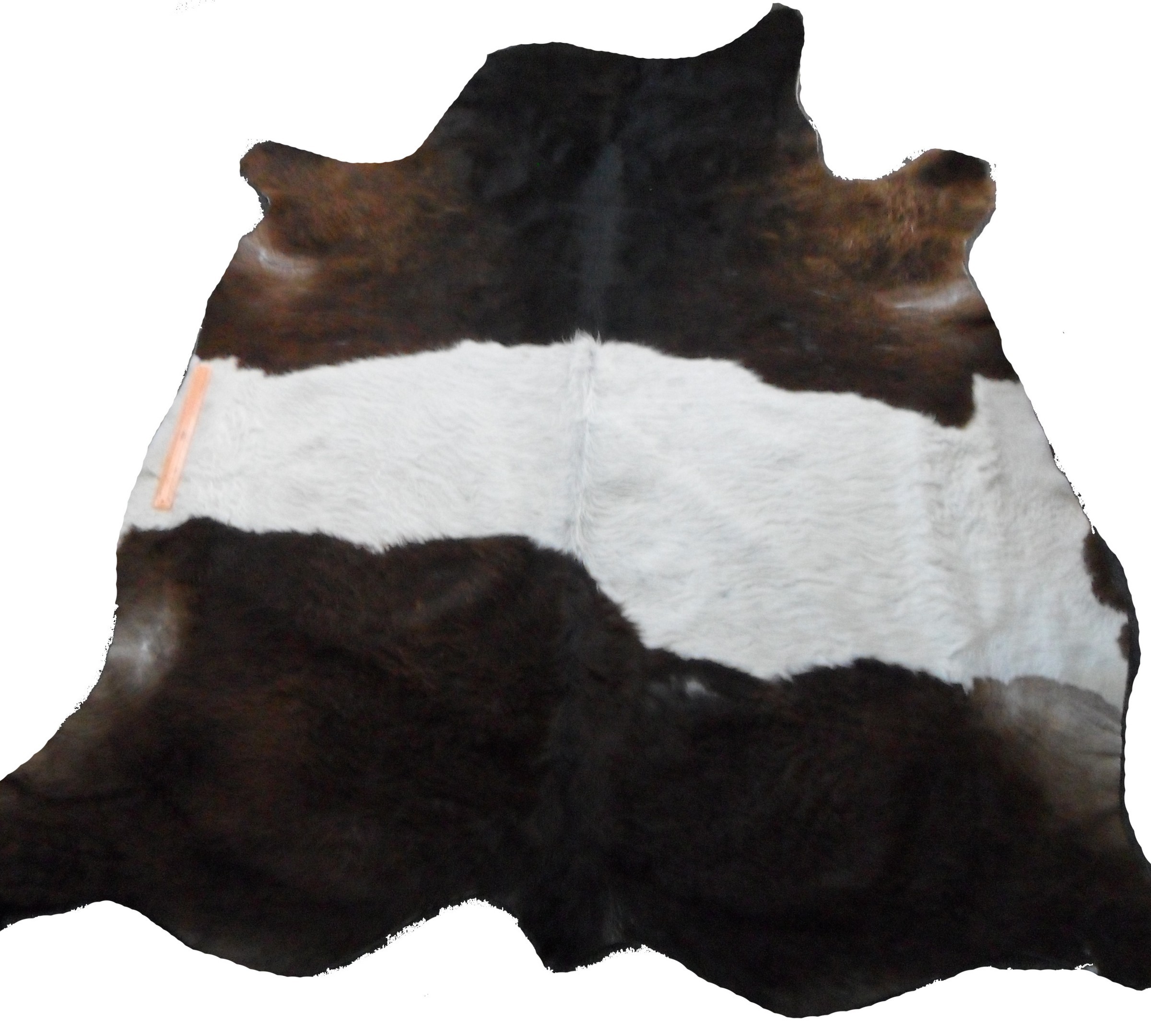
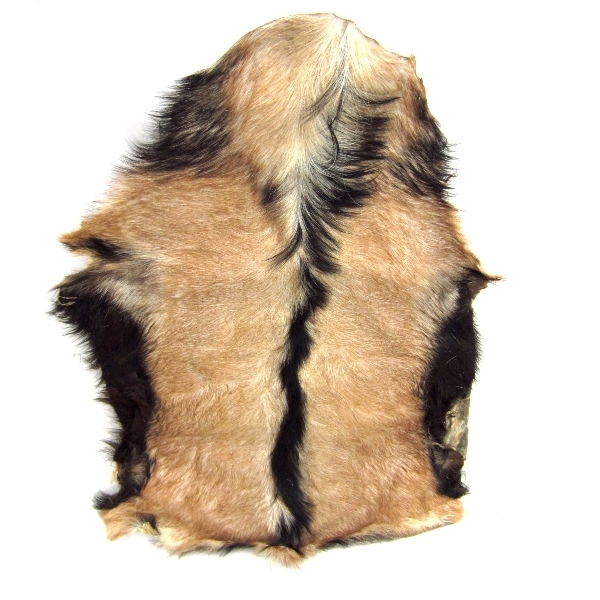
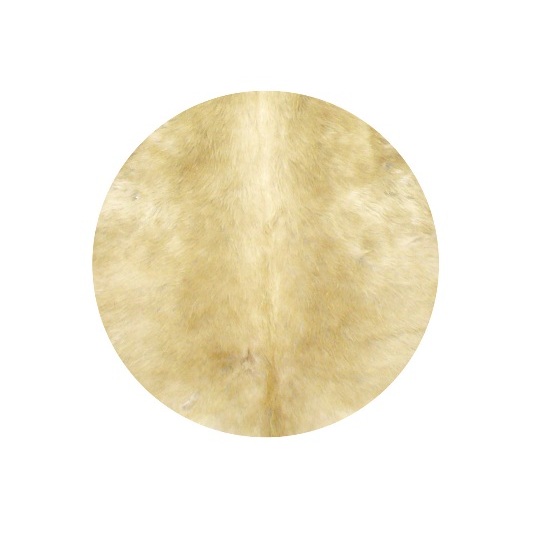
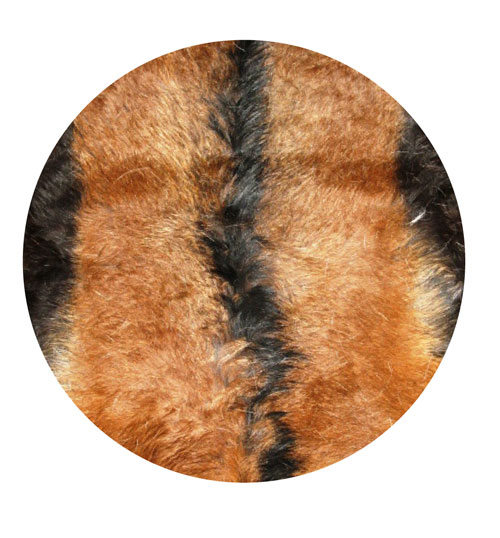
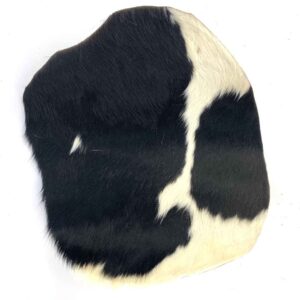
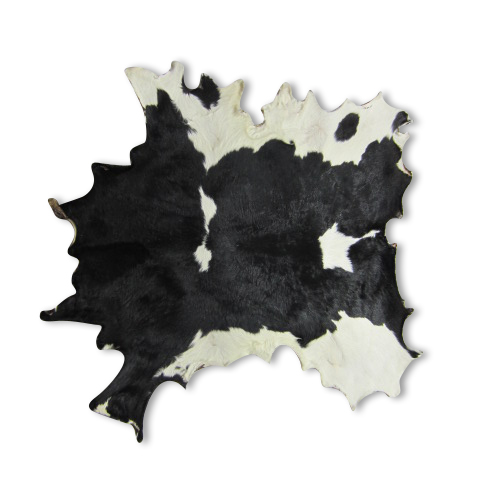
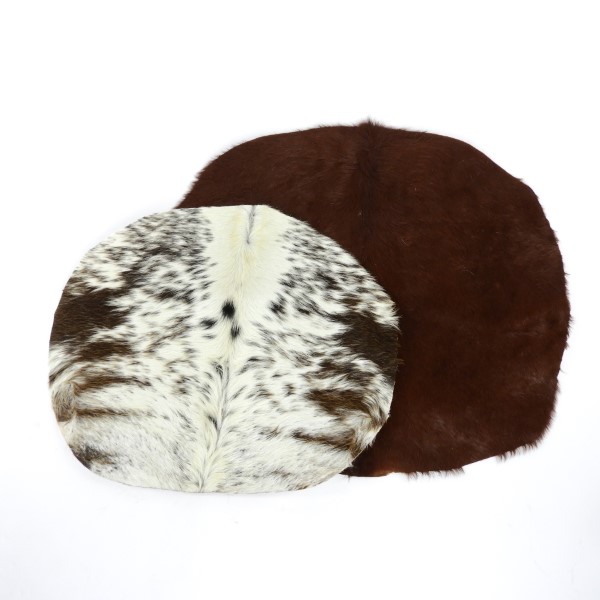
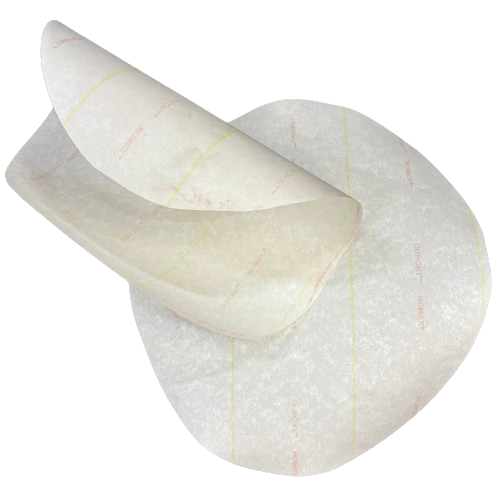
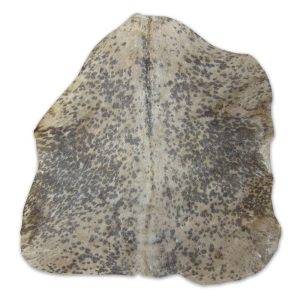
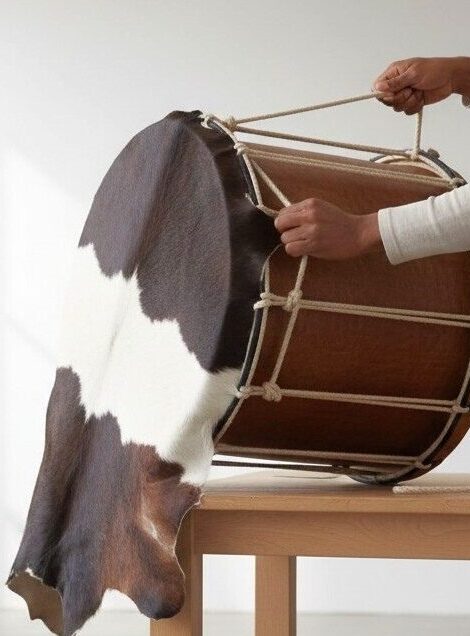
Our drum skins are suitable for drum making, reheading, and repairs across a wide range of drums.
Alongside djembes, drum makers use these goat and cow skins for duns, congas, bongos, ashikos, talking drums, dragon drums, Middle Eastern drums and more. We stock first-grade skins in different thicknesses so you can choose the tone, strength and feel that suits your build or repair.
This is where the SEO Block content goes
Absolutely! We love helping people find the right match, whether it’s an instrument, a class, or materials for drum making.You’re welcome to email or call for personalised recommendations, or chat with our friendly team through the website during office hours.
If you’re after a djembe, we offer a popular service where we send you video options based on your preferences, so you can see and hear each one before deciding.
We want you to love what you receive. If there’s an issue with your order, we’ll do our best to make it right. To request a return, please contact us within 7 days of receiving your order.
Items must be unused and in original condition.You can find the full details of our policy here, and you’re always welcome to reach out to our team with any questions.
We ship across Australia and internationally. Most orders are dispatched on the same day, so you can expect a quick turnaround.
Delivery to metro areas in Australia usually takes 2–5 business days, with regional areas taking a little longer. We also offer express shipping options if you need your order sooner.
For international orders, delivery times depend on your location and the shipping option you choose at checkout.You’ll receive tracking details once your order is on its way. You can find more information on shipping timeframes and options here, or feel free to contact us for help estimating delivery to your area.
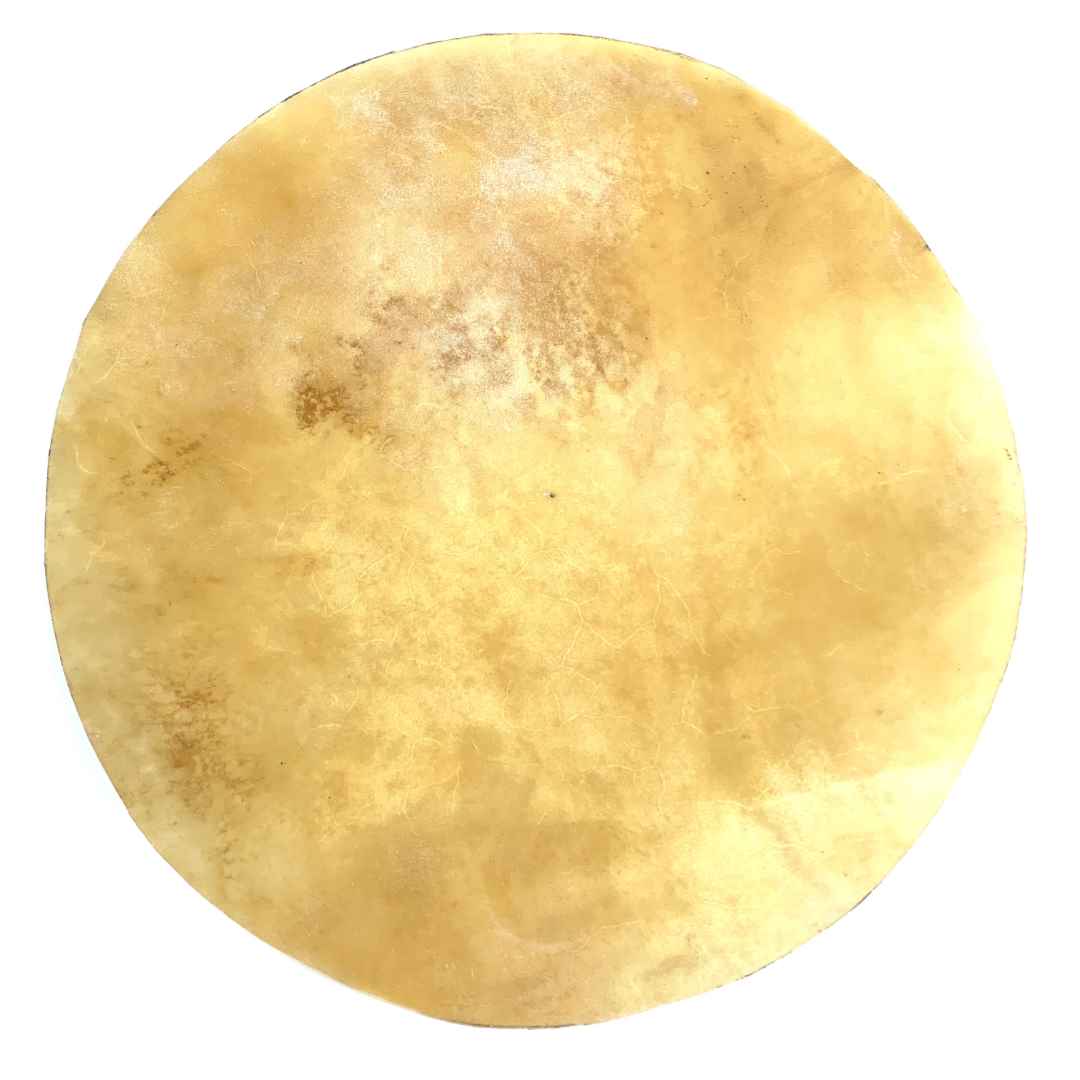
Djembe drum skins are most often goat hide, chosen for its strength and grip under the hand, with XL sizes giving more coverage for larger djembes.
Thickness shapes the feel as much as the hide type does: thinner skins respond faster and are easier on the hands, which suits beginners, while thicker skins carry more tonal complexity and reward more experienced players.
For dundun, cowhide is the standard, running noticeably thicker than goat hide to produce the deep tone the bass drum needs in an ensemble.
Thinner skins respond faster and are easier on the hands, which is part of why they suit beginners and smaller frames.
Generally speaking, the thicker the skin the more durable the skin, however if you treat any skin with care, it should go the distance
Store the drum lying down rather than standing upright in direct sun, since standing it up turns the body into a heat chamber.
Wipe it dry straight away if it gets wet, since dampness softens the skin and drops its tension.
Keep the drum away from sharp objects, lotions, or oils on the hands before playing.
Kangaroo, goat, yearling, and cow hide from South Australia, Victoria and New South Wales, comes through the same supplier African Drumming has worked with for 20 years.
They are hand-selected in their raw state before any processing begins, then cleaned, stretched and dried without chemical treatment, keeping the hide’s natural oils and elasticity intact.
The goats’ diet across this region produces a thick, oil-rich hide that takes longer to play in than West African skins, but holds up well through fluctuating weather once tuned.
Mali goat hide is sourced direct from West Africa, hand-shaved with no fumigation or additional processing, producing a drier, crisper sound and needing less playing-in than Australian goat hide, and comes in four thicknesses suited to solo djembe playing.
Hair-off goat hide and hairless cow hide are sourced from Indonesia, hair removed using a salt-based solution rather than chemicals, and pre-stretched so it tunes quickly, holds tension longer, and carries a dry tonal character close to African goat hide.

Goat, cow, yearling and kangaroo skins cover djembe, dundun, conga, bongo, shamanic frame drum, talking drum, darbuka and other Middle Eastern drums, and more drums, in sizes ranging from 7″ up to 20″.
Each of the skin listings details which instruments and sizes it suits.
Kangaroo hide comes from Australia’s government-regulated wild harvest. State and federal agencies set annual harvest quotas from population counts, a system introduced partly because kangaroo numbers can strain the grazing land and crops farmers depend on. African Drumming sources the hide through the same licensed supplier it’s worked with for over 20 years.
Hair-off kangaroo skin is popular with shamanic drum makers for the balance it strikes: hair removed, but the rawhide feel kept intact.
The hair is taken off using only natural methods, so the skin’s natural oils remain and its elasticity and durability aren’t affected. The skin itself doesn’t change, only its finish for drum-making.
XL goat skins are also very popular with Shamanic drum makers, especially when working with larger sized frames which require wider skins.
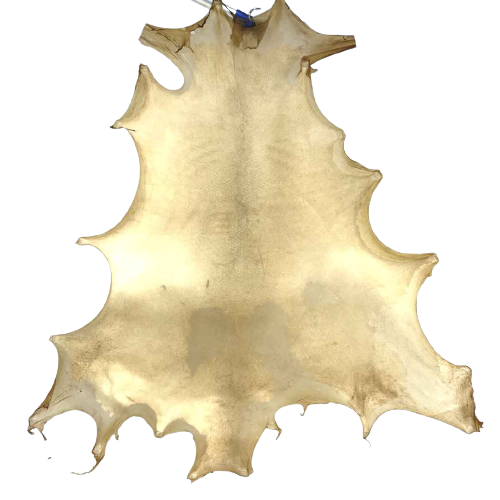
Goat hide comes from feral goats, and the variation in size and shape is part of the natural character of the material.
Wider skins tend to come from females, while longer, narrower skins tend to come from males, and an XL male hide is often large enough to yield two medium djembe skins.
A wider female skin gives more coverage for a larger shell, while a narrower male skin suits a smaller djembe.
Soak the goat hide until it’s soft and pliable, generally just a few hours depending on thickness, then mount it between the drum’s top and bottom rings.
The rope is pulled and tightened in stages rather than all at once, gradually raising the tension and tone as it dries.
Rushing this step is the most common cause of a torn skin or an unevenly tuned head.
Any drum can be posted in or dropped at the Melbourne studio for reskinning.
Your drum will be shipped back once the new skin is fitted.
See full details on the Reskin and repair page.
Reskins and repairs aren’t only for a full split: a skin that’s just started thinning, sagging or losing its tone is worth having looked at before it fails completely.
Some drums just need some tuning and a few knots to bring them back to life – we can help you with that too.
Not sure if it needs replacing? Send a photo through and it can be checked before you post the drum in.
It isn’t recommended.
Hair-on goat hides from African Drumming are rawhide, not tanned, made for drum-making.
They’re left untanned to give the hide the elasticity and durability it needs once mounted on a drum, while hides intended for homeware or decorative use go through an extensive tanning process to prepare them for that purpose instead.
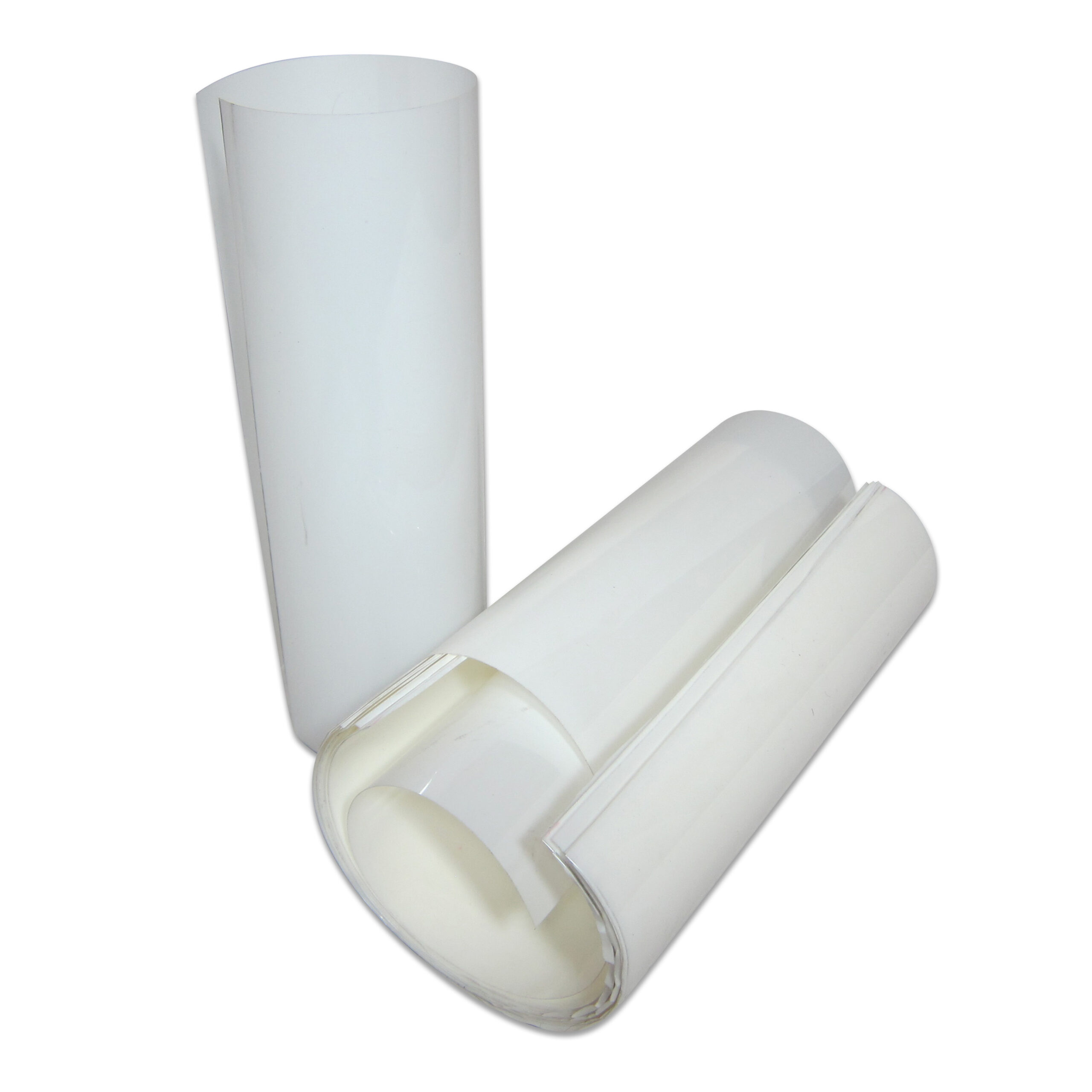
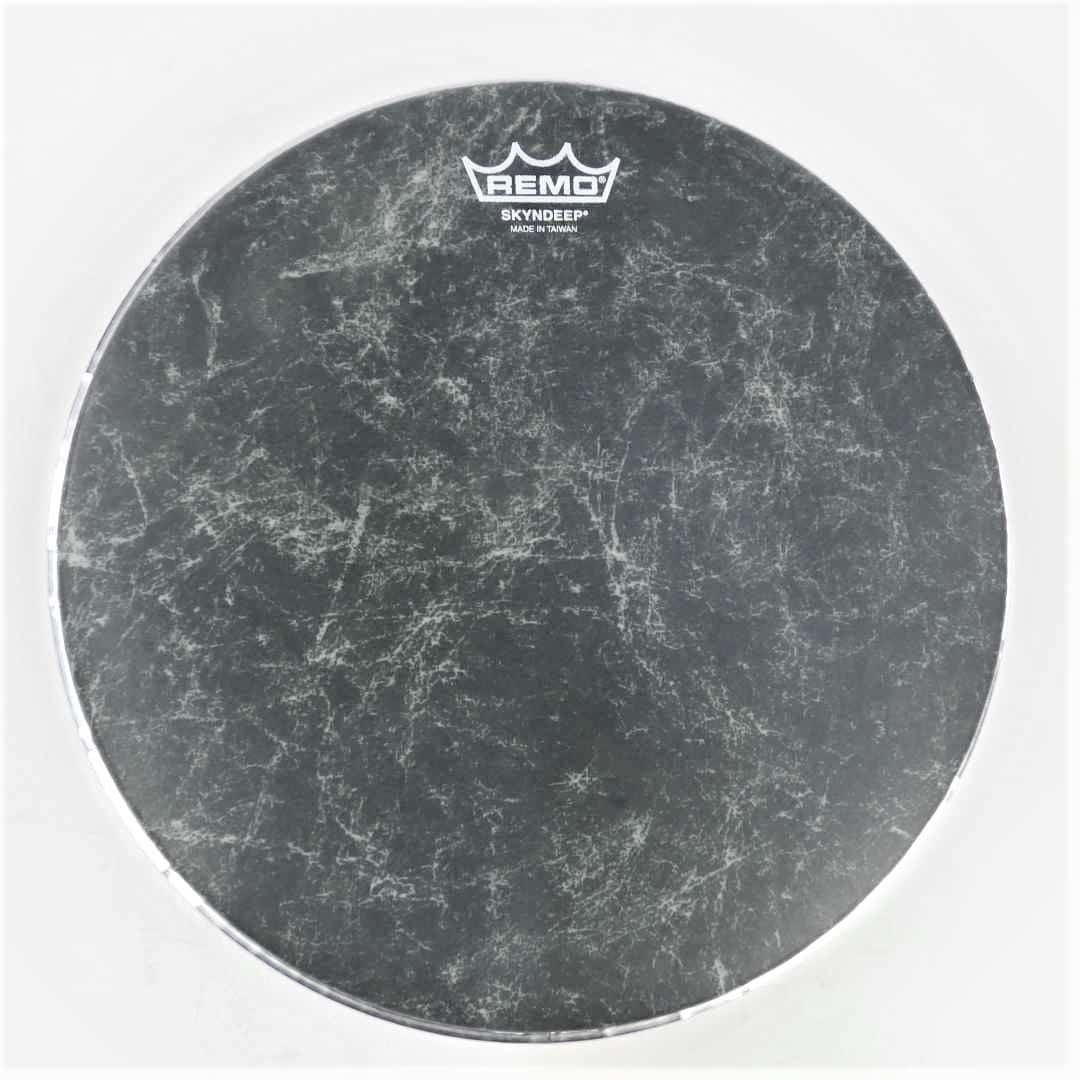
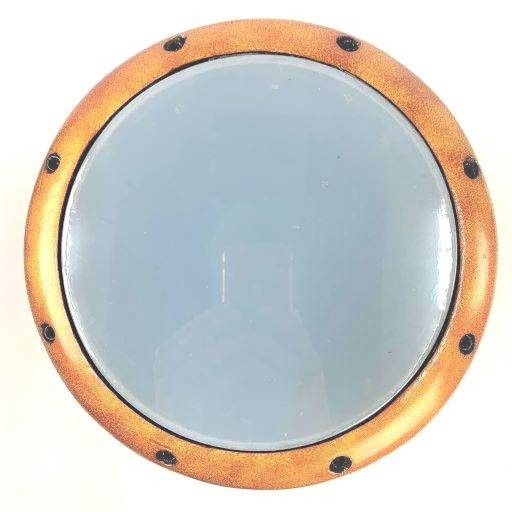
Synthetic drum heads are available for djembe, darbuka, and most drums.
It is a vegan-friendly alternative to animal hide that holds tension and pitch for longer, needing less regular tuning.
The djembe range uses a polyester-centred laminate designed to sit close to a natural skin in feel and sound.
Middle Eastern drums like darbuka and sombaty use a 100% synthetic head from Gawharet El Fan, for whom African Drumming is the exclusive Australian distributor.
Hit enter to search or ESC to close