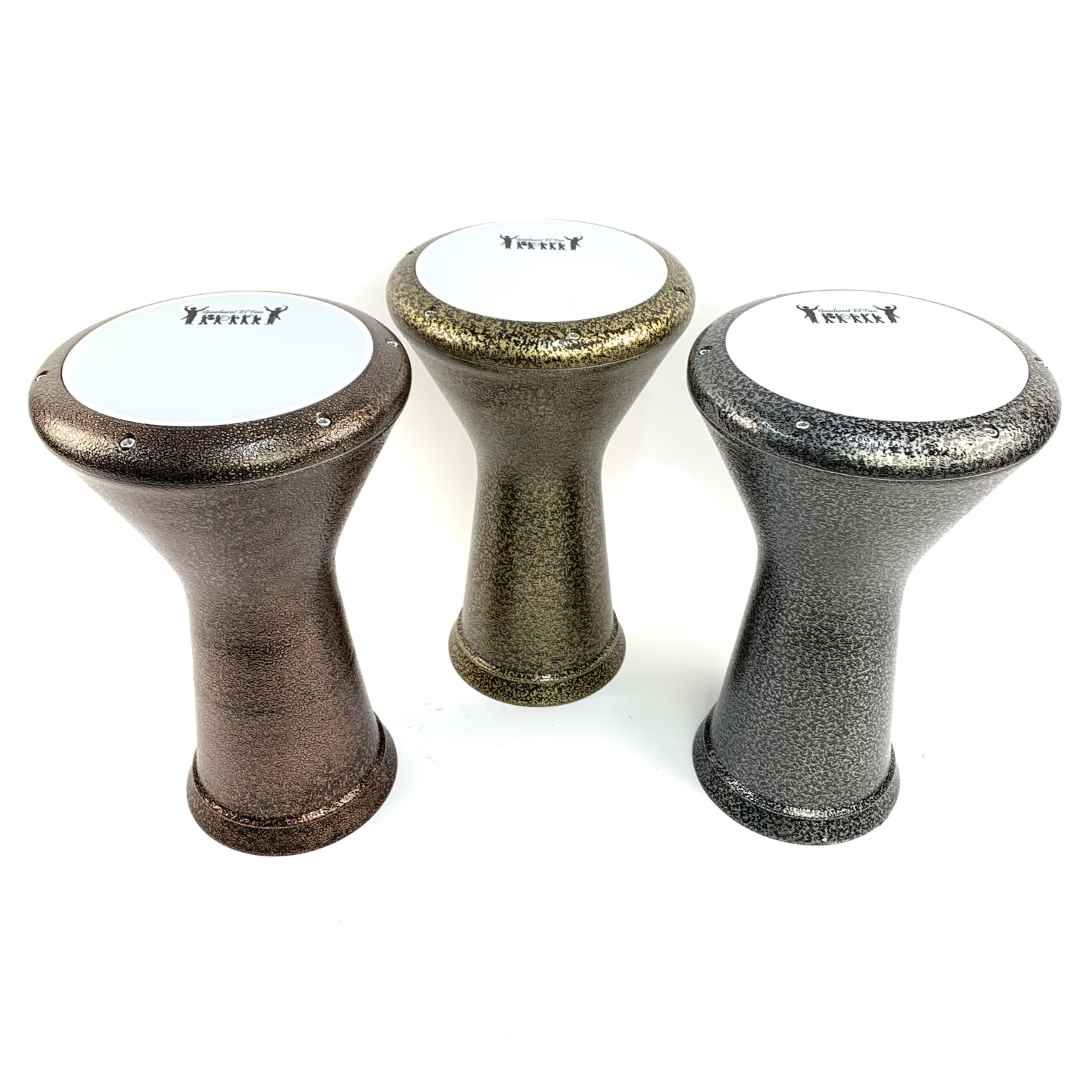
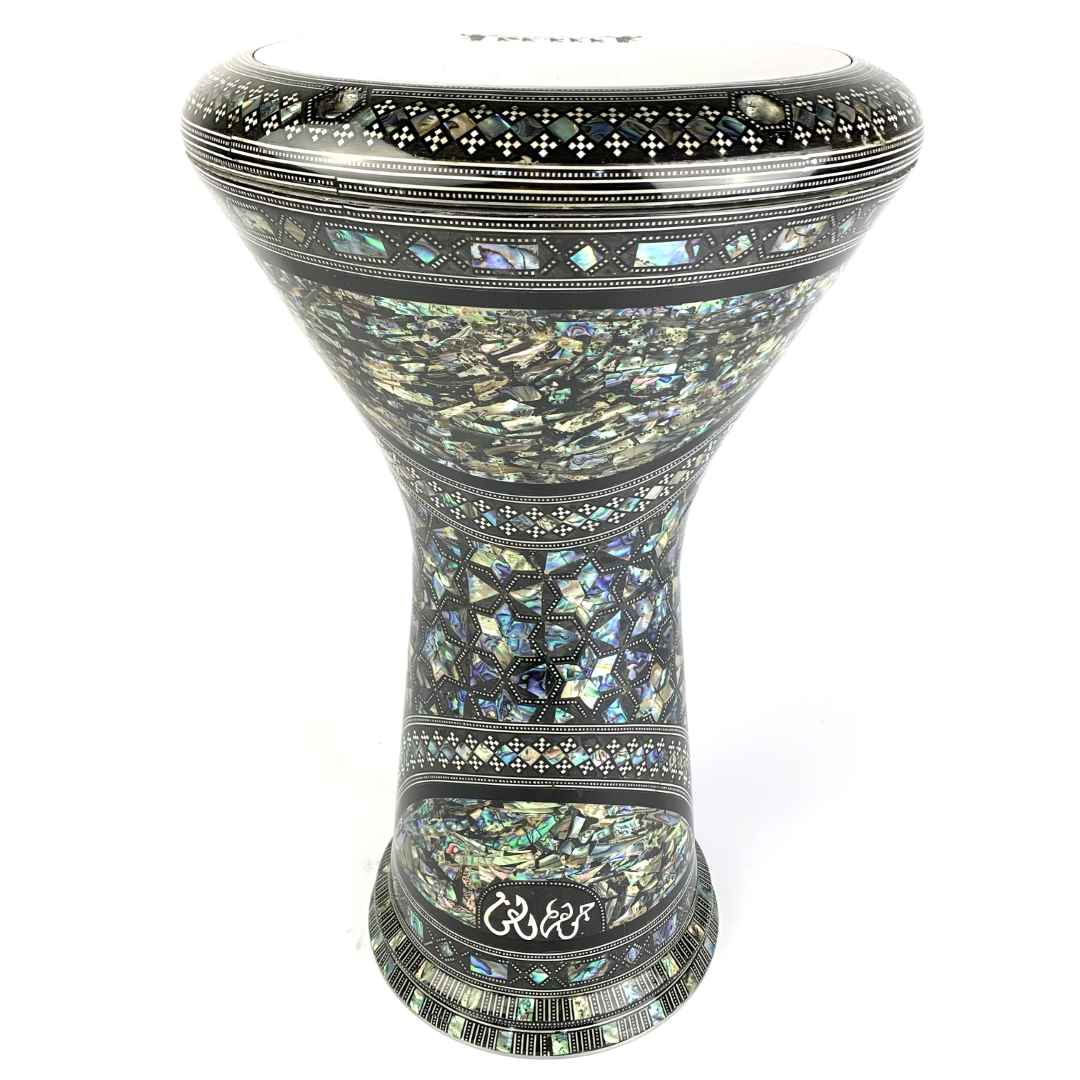
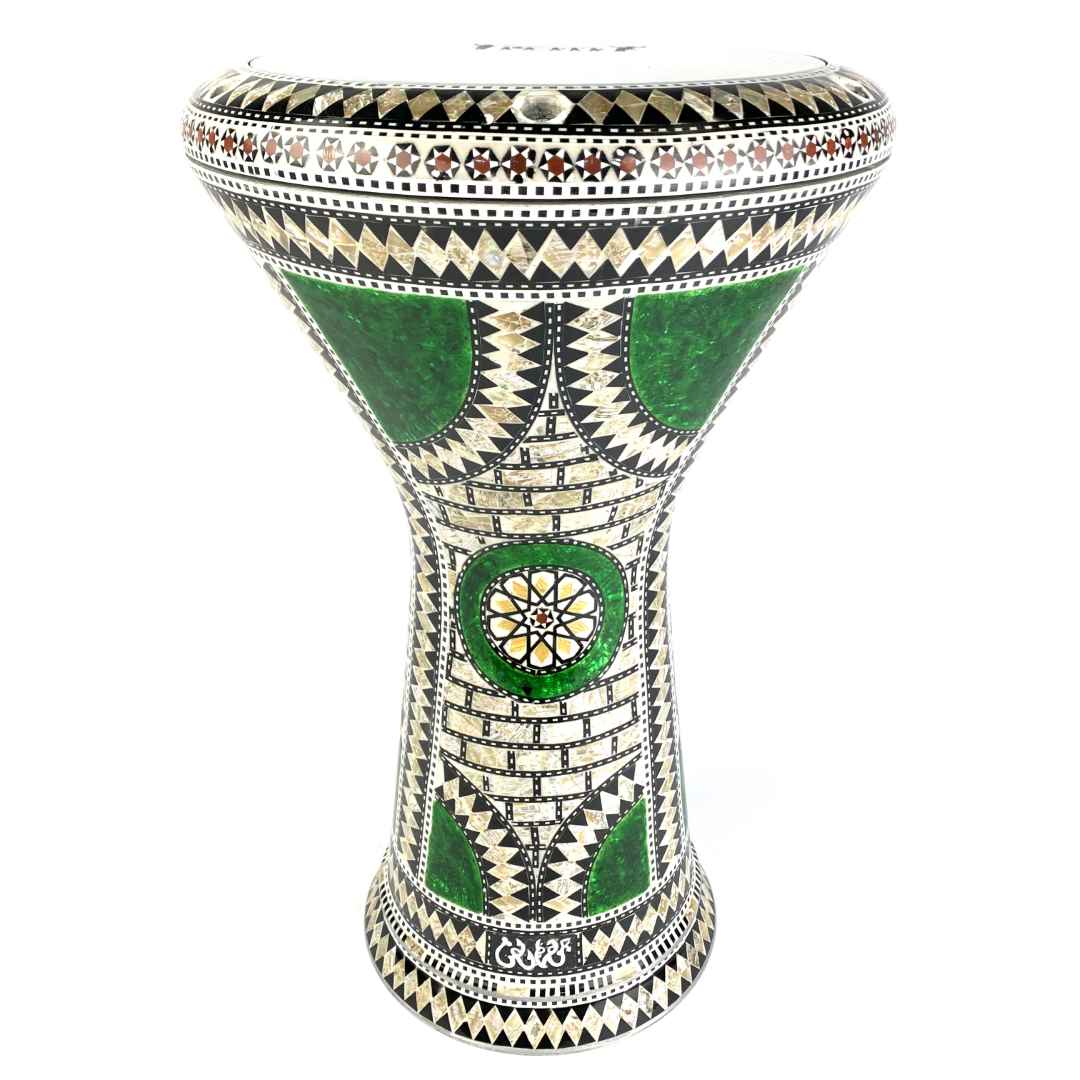
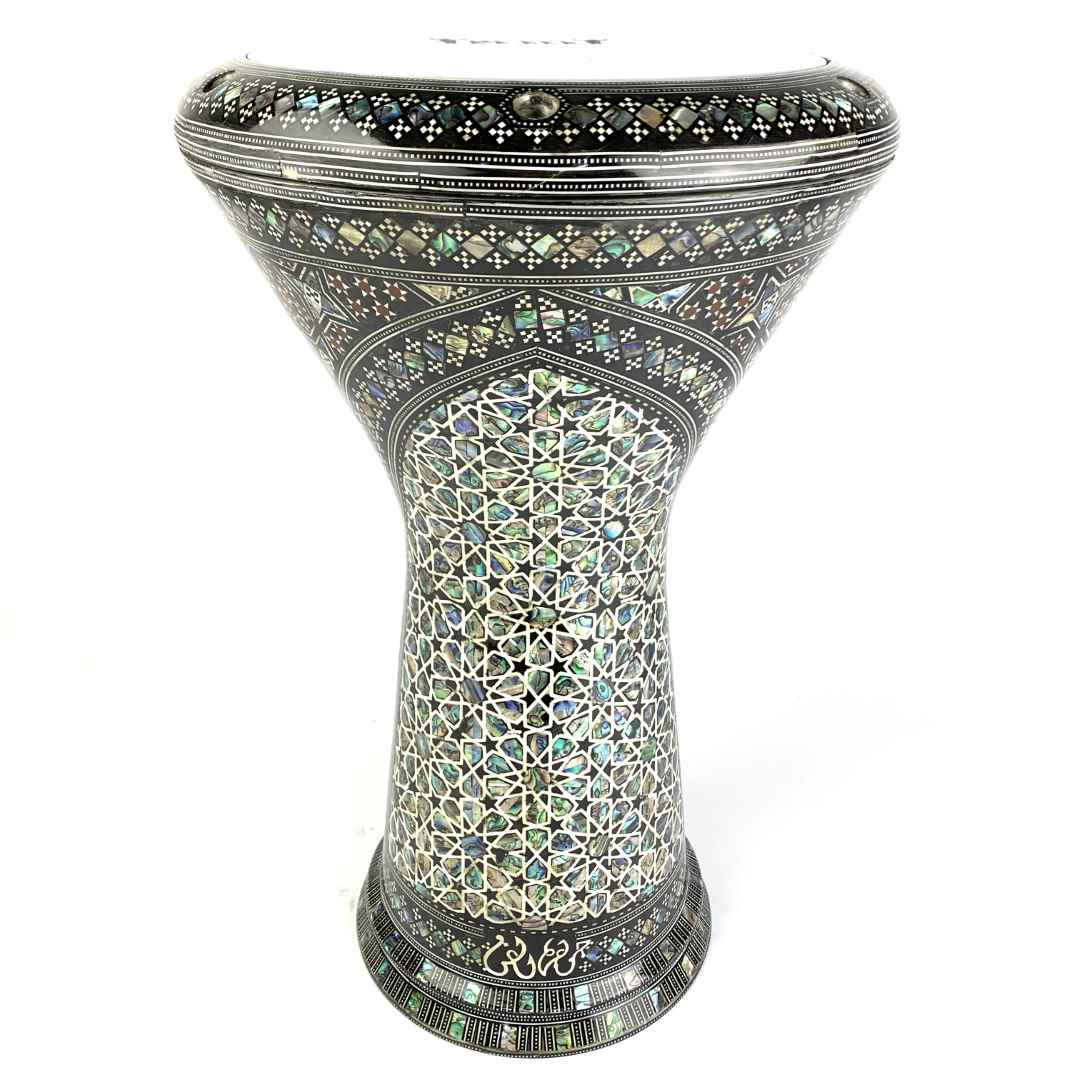
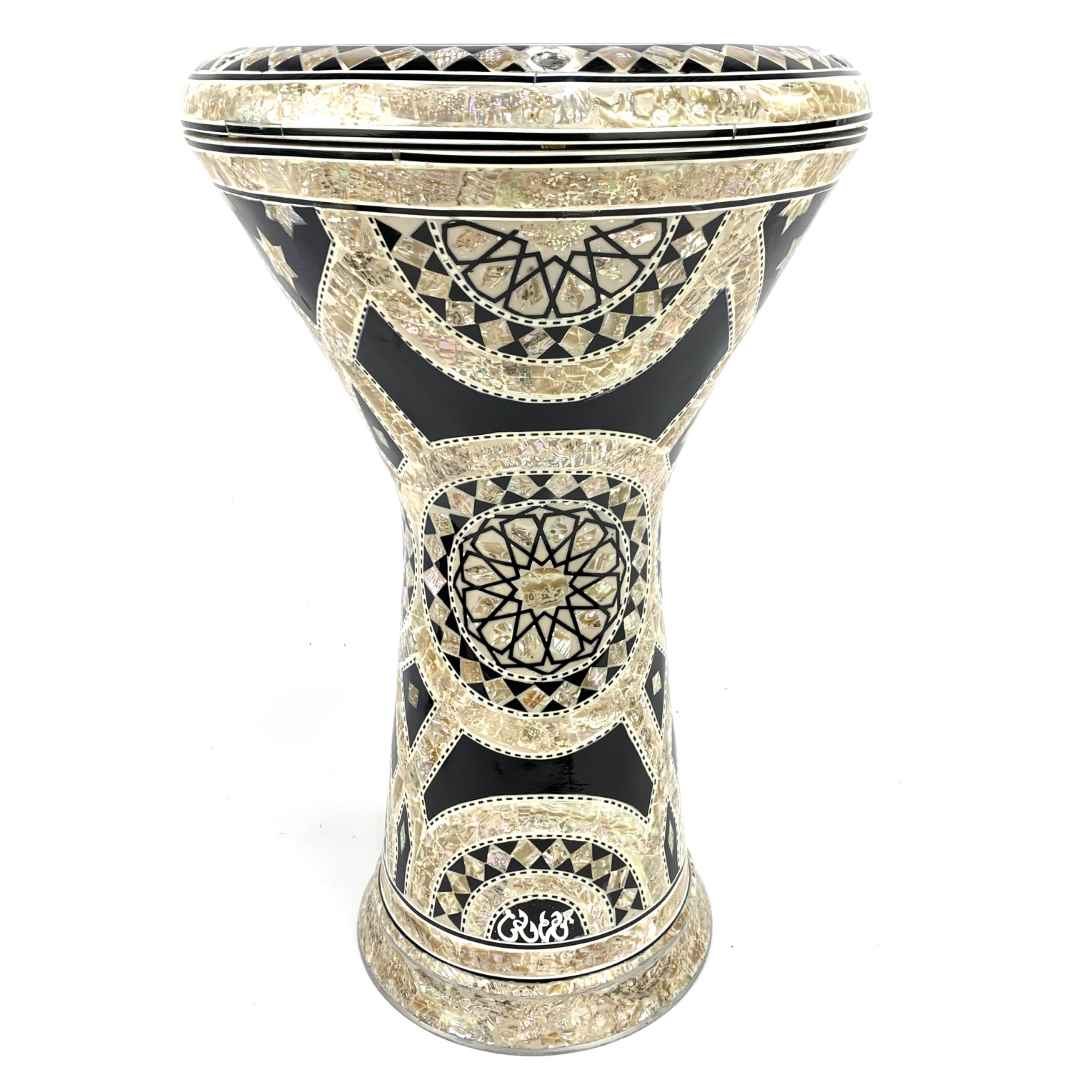
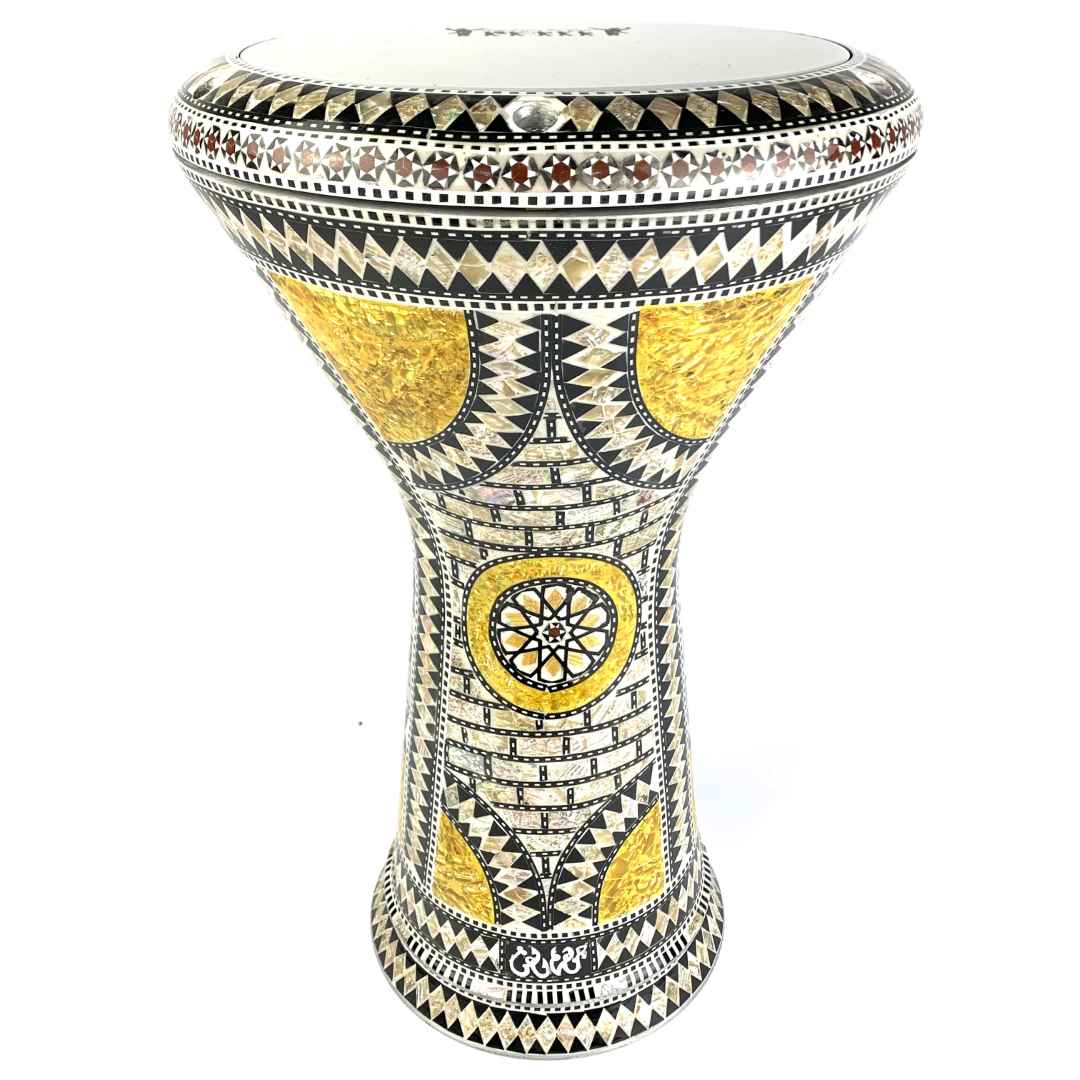
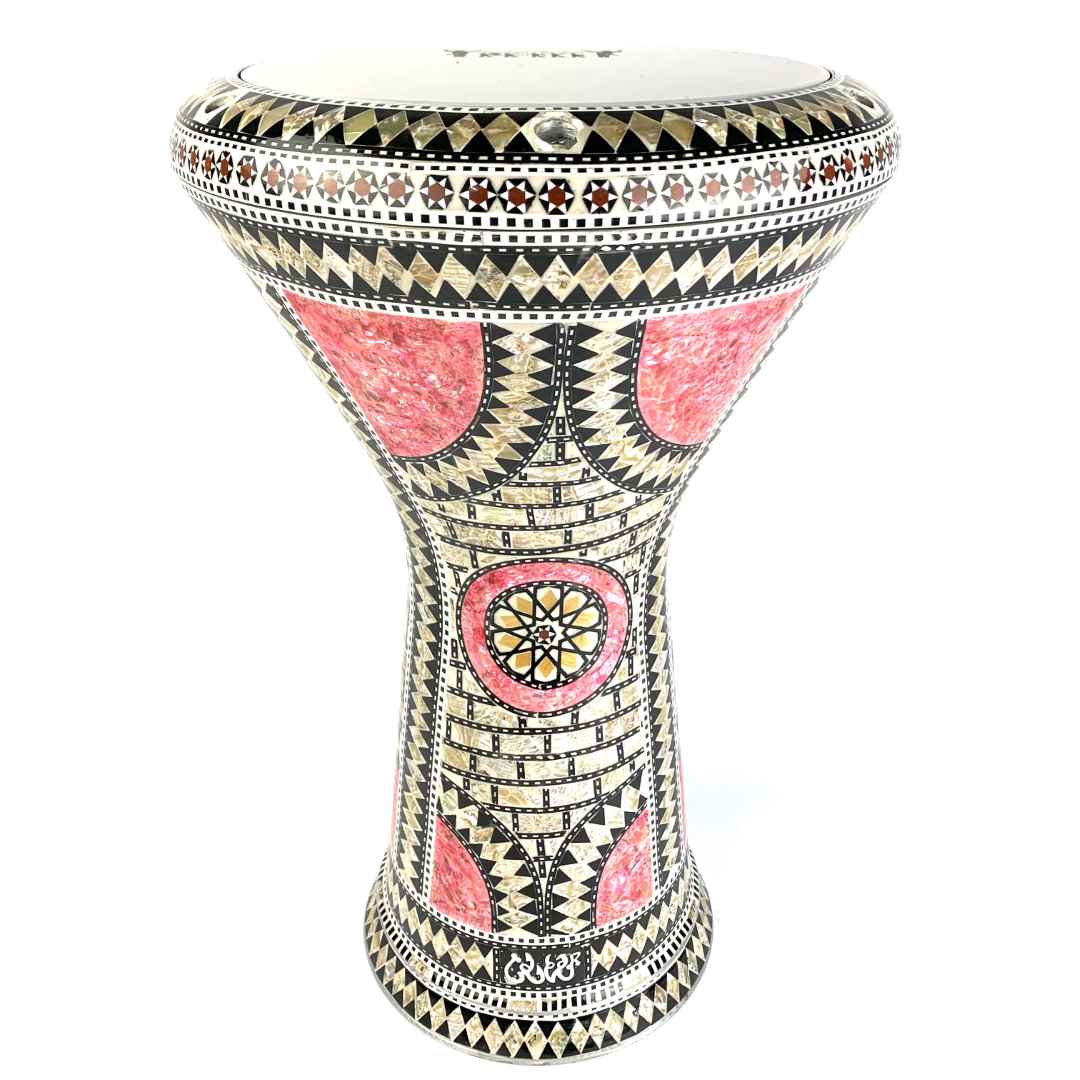
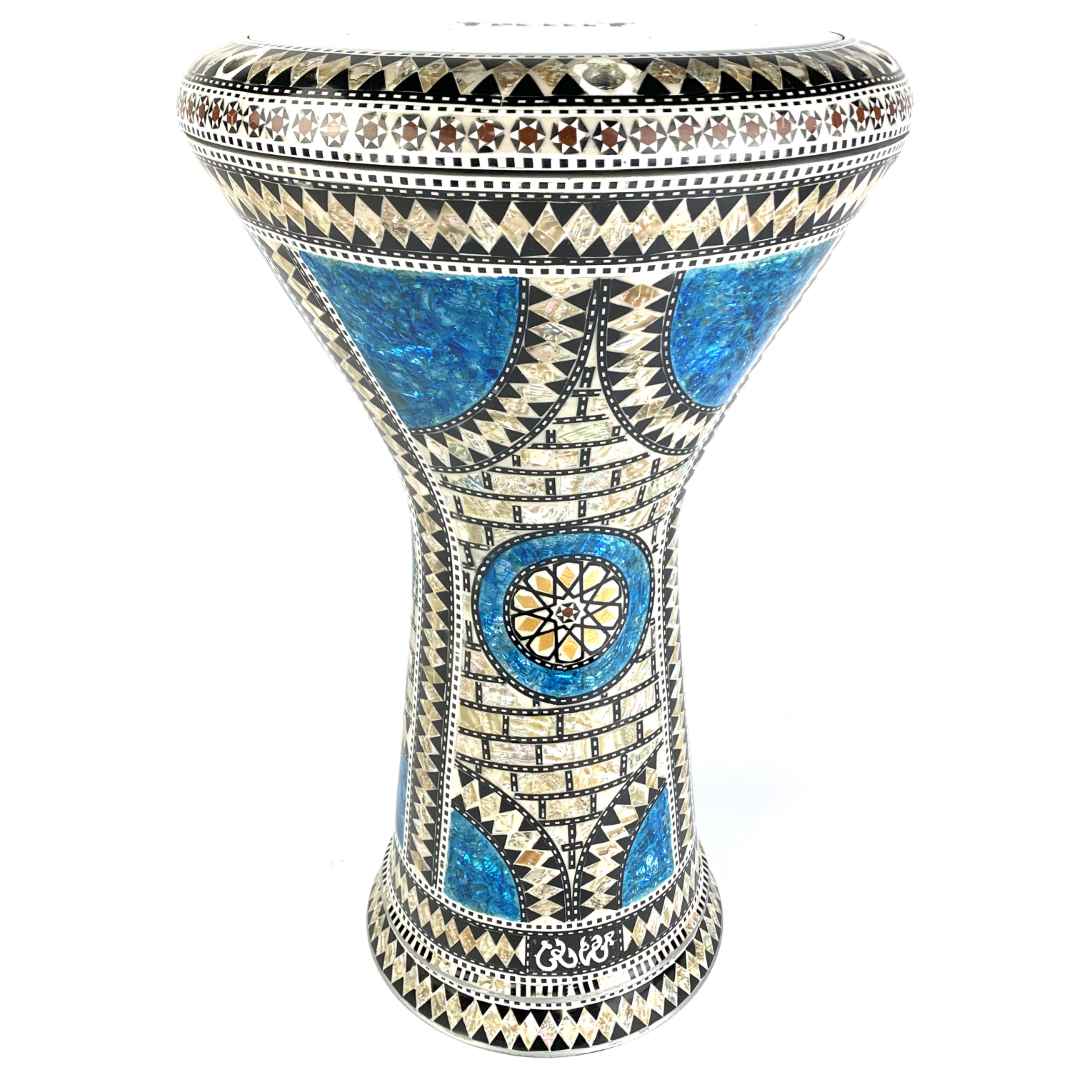
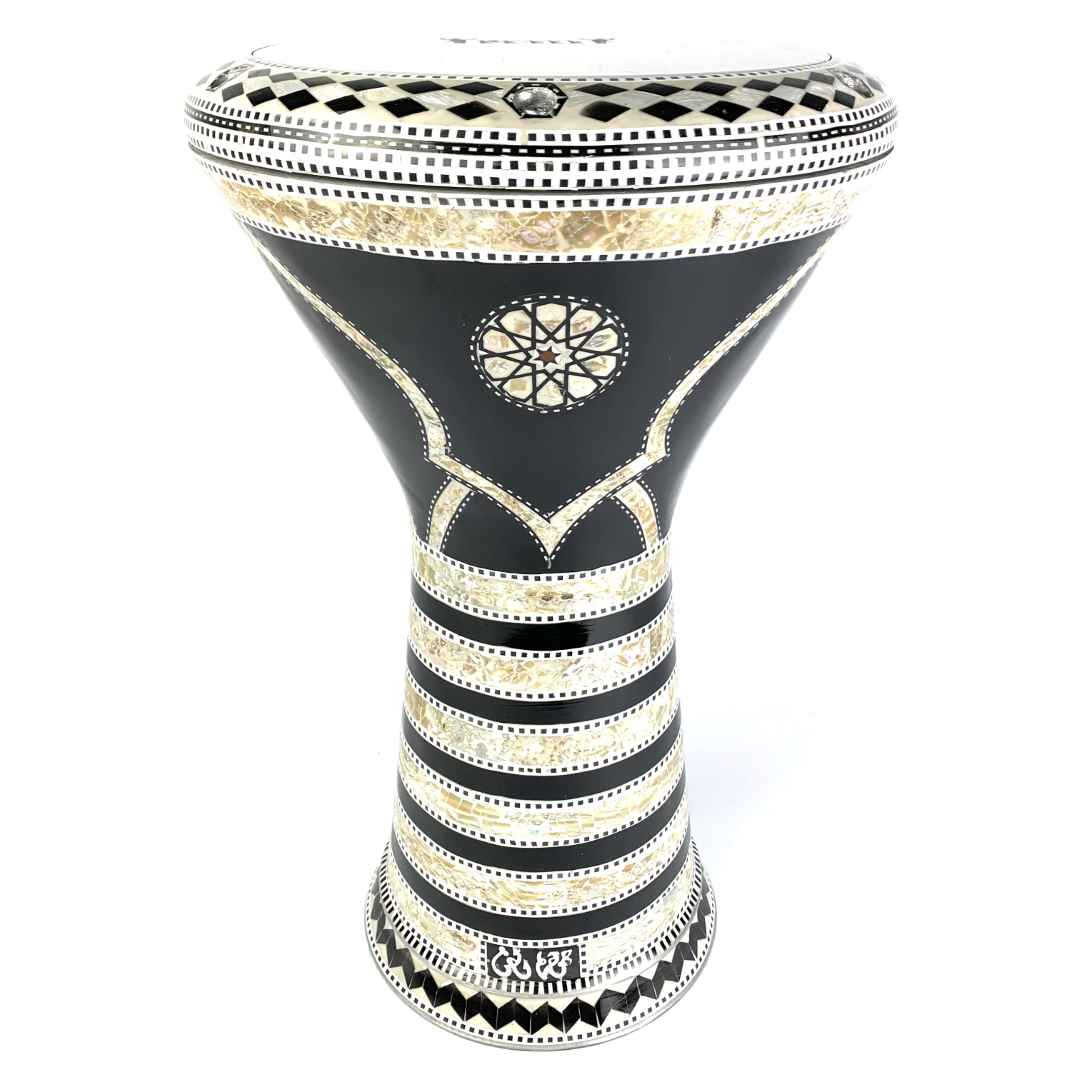
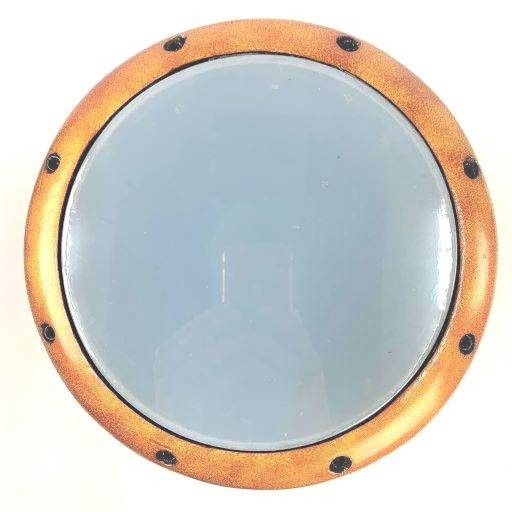
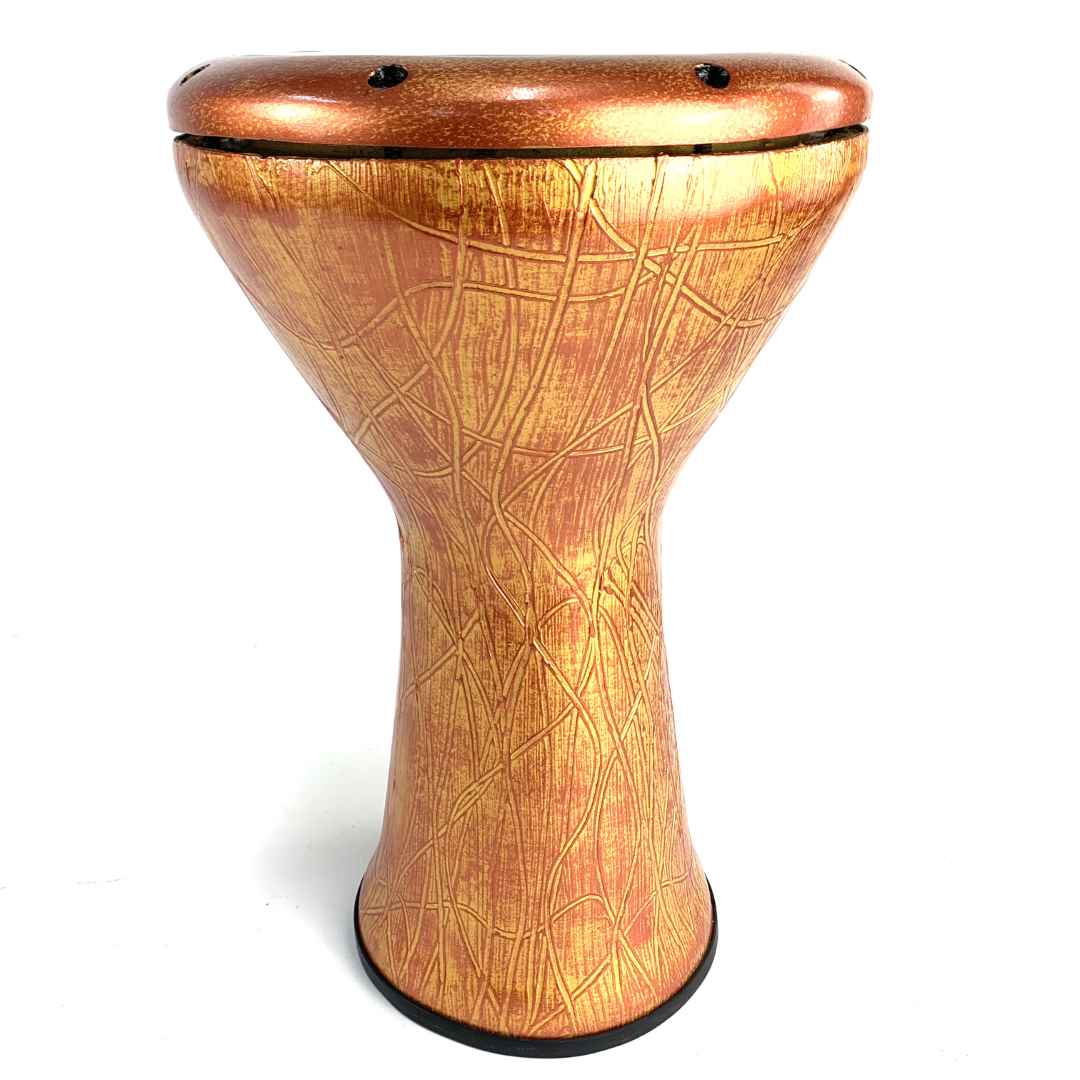
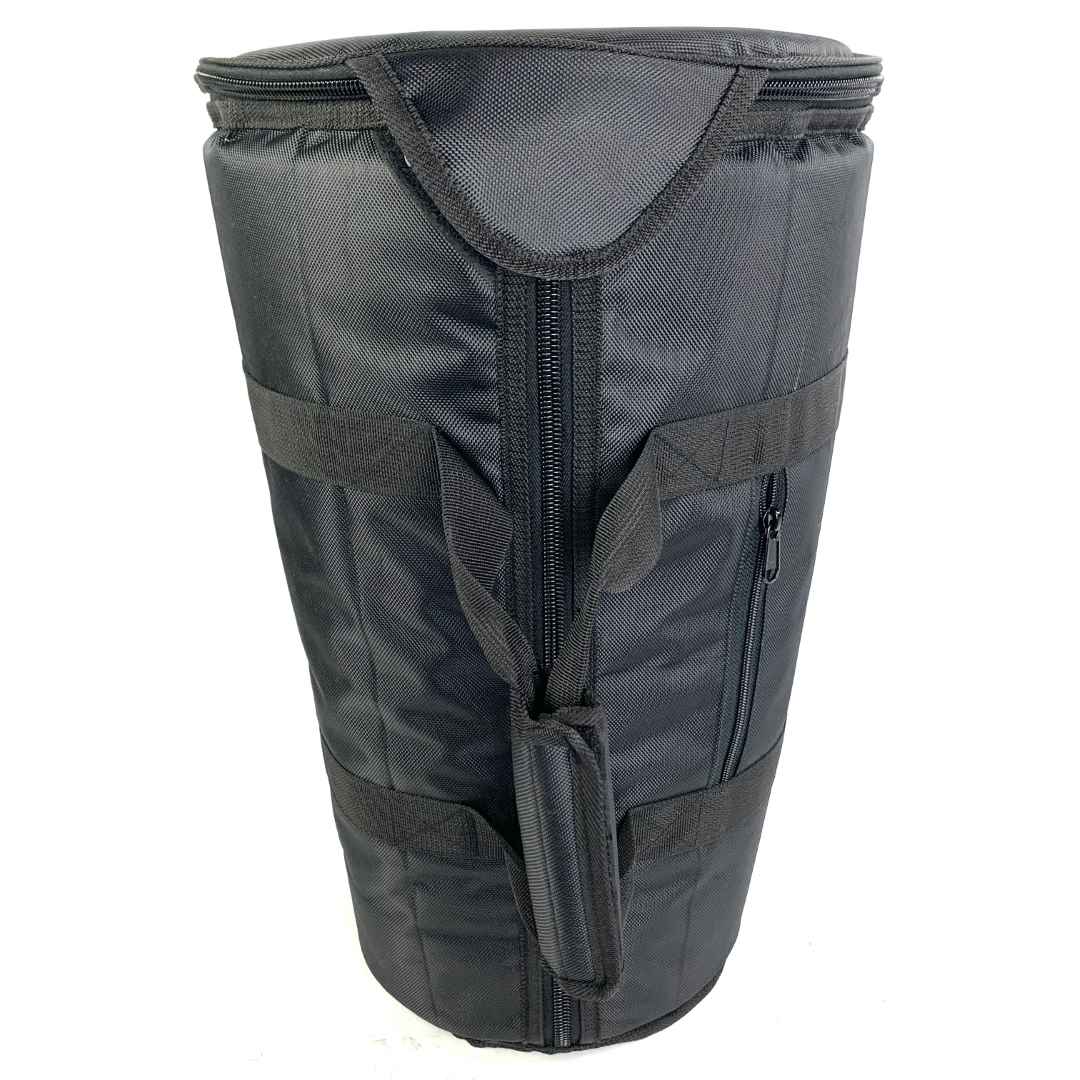
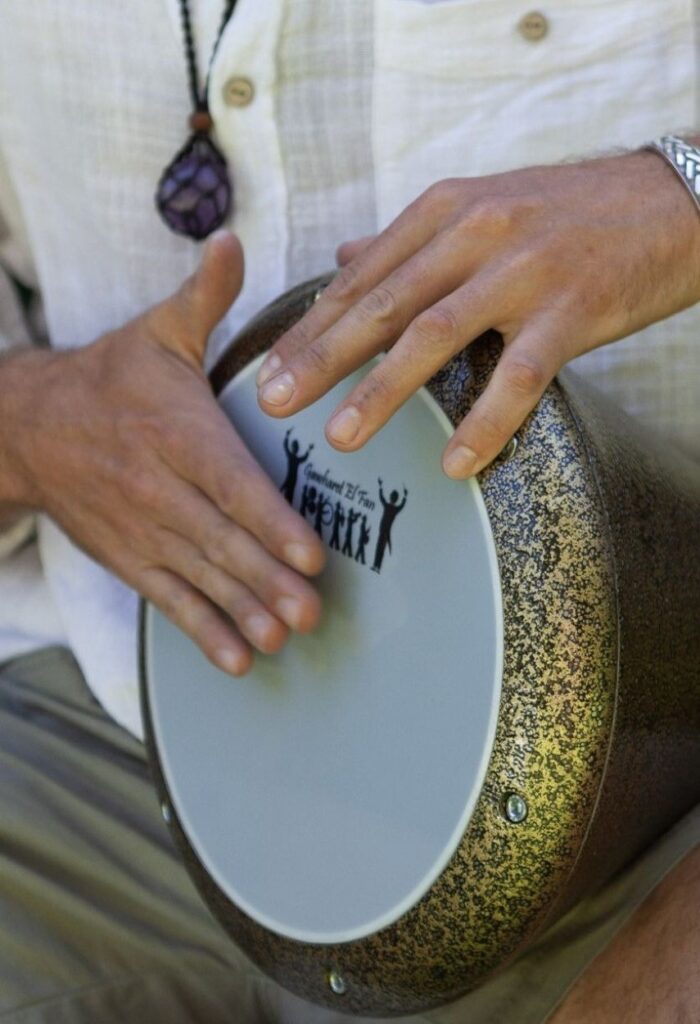
This collection brings together Middle Eastern percussion, including sombaty, darbuka, and riq.
It features a dedicated range from Egyptian master drum makers Gawharet El Fan, alongside other instruments commonly used in Middle Eastern styles and repertoires. The Gawharet El Fan instruments in this collection are available exclusively through African Drumming in Australia.
This is where the SEO Block content goes
Middle Eastern percussion instruments in this collection include the darbuka, the larger sombaty, the riq, and Egyptian zills, along with replacement darbuka heads and darbuka bags.
The Eagle Darbuka, a lightweight fibreglass model, is the entry-level drum in the range.
African Drumming has been Australia’s exclusive distributor for Gawharet El Fan, Egyptian master drum makers, since 2022.
We check all instruments before shipping, including tuning the darbuka and sombaty, and ensuring replacement heads are in good condition.

The darbuka is a goblet-shaped hand drum played from Morocco to Pakistan, and its name probably comes from the Arabic word “daraba”, meaning “to strike”.
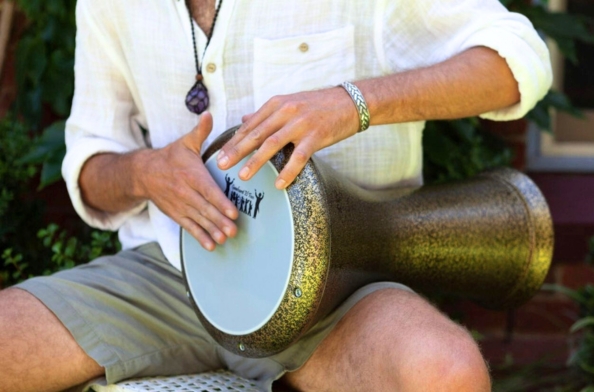
It is held under the non-dominant arm, or laid sideways across the lap with the head towards the knees when seated.
Players use the fingertips and palm to produce two core sounds: the doum, a deep bass note, and the tek, a bright, sharp note.
Goblet drums were played in Mesopotamia and ancient Egypt, and appear in Babylonia from as early as 1100 BCE.
A sombaty is a larger darbuka, with a bigger head and more height, giving deeper bass notes and more powerful tek sounds.
The wider playing area allows a broader range of sounds than the darbuka.
Gawharet El Fan sombaty share the cast aluminium shell and mother of pearl finishing of their darbukas, but are heavier and take a larger replacement head.
The sombaty is designed with the professional player in mind, and will challenge your technique on the learning journey or once mastered.
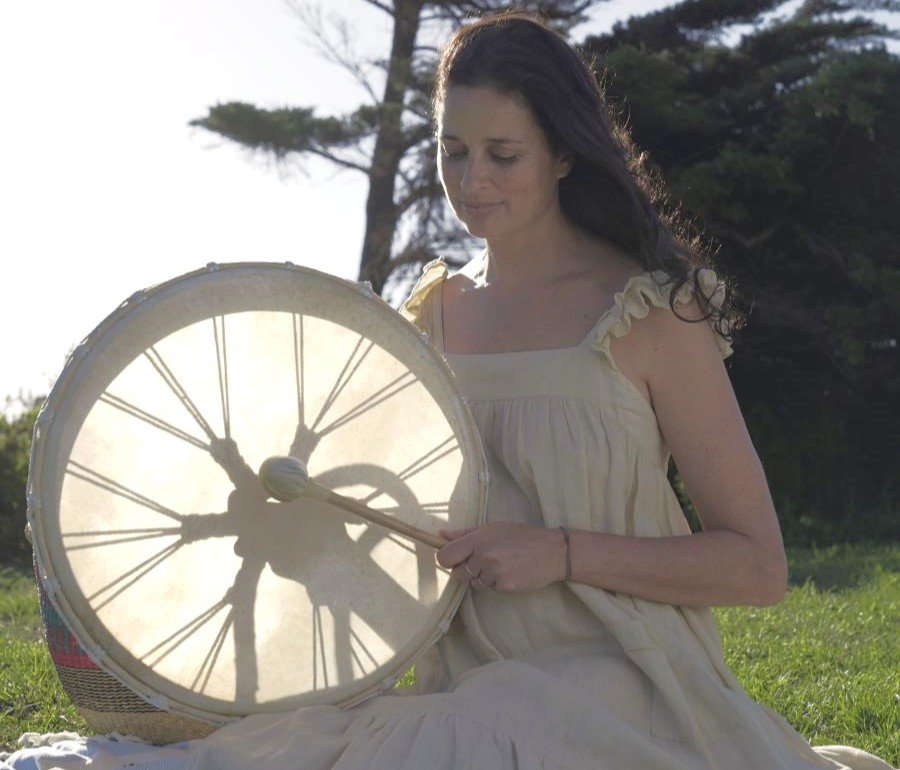
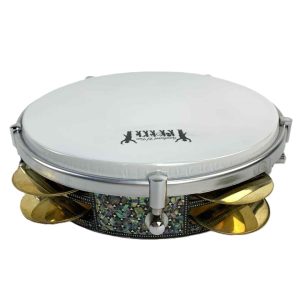
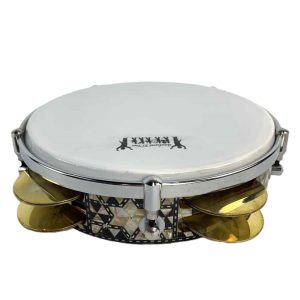
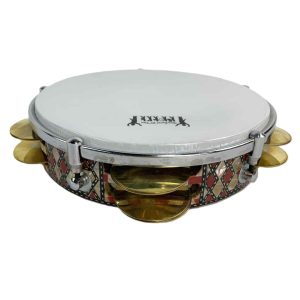
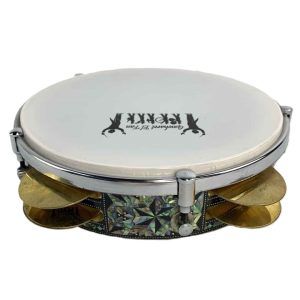
The riq is an Egyptian frame drum with a synthetic head and copper zills set into a timber frame.
The Gawharet El Fan riqs in this range have a 24cm head, weigh around 1kg, and are finished in white mother of pearl, with blue abalone on the Star, Galaxy, and Lightning models.
They come with a padded carry case and a tuning key.
If you want a light drum to learn on, the Eagle Darbuka has a fibreglass shell and synthetic head, and comes with a tuning key and zip-up carry bag. If you want a Gawharet El Fan drum from the start, the Cairo is their classic entry-level darbuka. The Cairo and the pro-level mother of pearl darbukas share the same cast aluminium internal shell, so the difference is the exterior finishing.
The pro-level range is differentiated by the mother of pearl overlay pioneered by Gawharet El Fan founder Abdel Nasser Lotfy in 1978.
Darbuka tuning uses the key supplied, an easy-to-use tool that slots into the rivets around the head of the darbuka. Tighten or loosen the head to get the desired tuning.
Gawharet El Fan synthetic replacement heads hold their strength and tension for long periods, needing less tuning and maintenance than animal skins.
Replacement heads are made by Gawharet El Fan from synthetic skin, in three sizes measured from outer edge to outer edge including the ring: 23.5cm for most Egyptian darbukas including Gawharet El Fan, 23.7cm for the Eagle Darbuka, and 24.5cm for most Egyptian sombaty. Synthetic heads hold tension better than animal skin in humid or dry conditions.
If you’d prefer not to fit the head yourself, we can reskin your darbuka for you.
Mother of pearl is a natural shell material, so wipe the finish with a soft, dry cloth and keep it away from water, harsh cleaning products, and humidity. Keep the darbuka out of direct sun and away from heaters and other heat sources.
Store and carry it in a padded case, such as the Master Series darbuka bag, to protect the inlay from knocks and scratches.
Zills are Egyptian finger cymbals. The zills in this range are pro-level, made by Gawharet El Fan from bronze and copper, and distinguishable by their weight and clear, crisp sound.
The medium saggat, at 6cm, suits fast, agile playing, while the large toura, at 9cm, gives a deeper and more powerful sound.
The djembe and darbuka are very different in their playing techniques.
Djembe is played between the legs with a lot of arm movement and hand rebound, and both hands use the same technique and serve the same purpose.
On the darbuka, each hand uses a different technique and has a different function. Darbuka technique uses a lot more intricate finger flicking.
Middle Eastern percussion classes run on Tuesdays from 6:30pm to 8:00pm and are open to all levels. Classes cover basic classical and folk modern technique for darbuka, riq, and frame drums, focusing on rhythm structure and composition for classical songs as well as original percussion movements.
The teacher, Rayan Aridi, is a multi-instrumentalist and touring artist who draws on his Lebanese Arabic roots. Book a single class or a series.
Hit enter to search or ESC to close