Handmade string and wind instruments rooted in West African traditions sit alongside a selection of wind instruments from other regions.
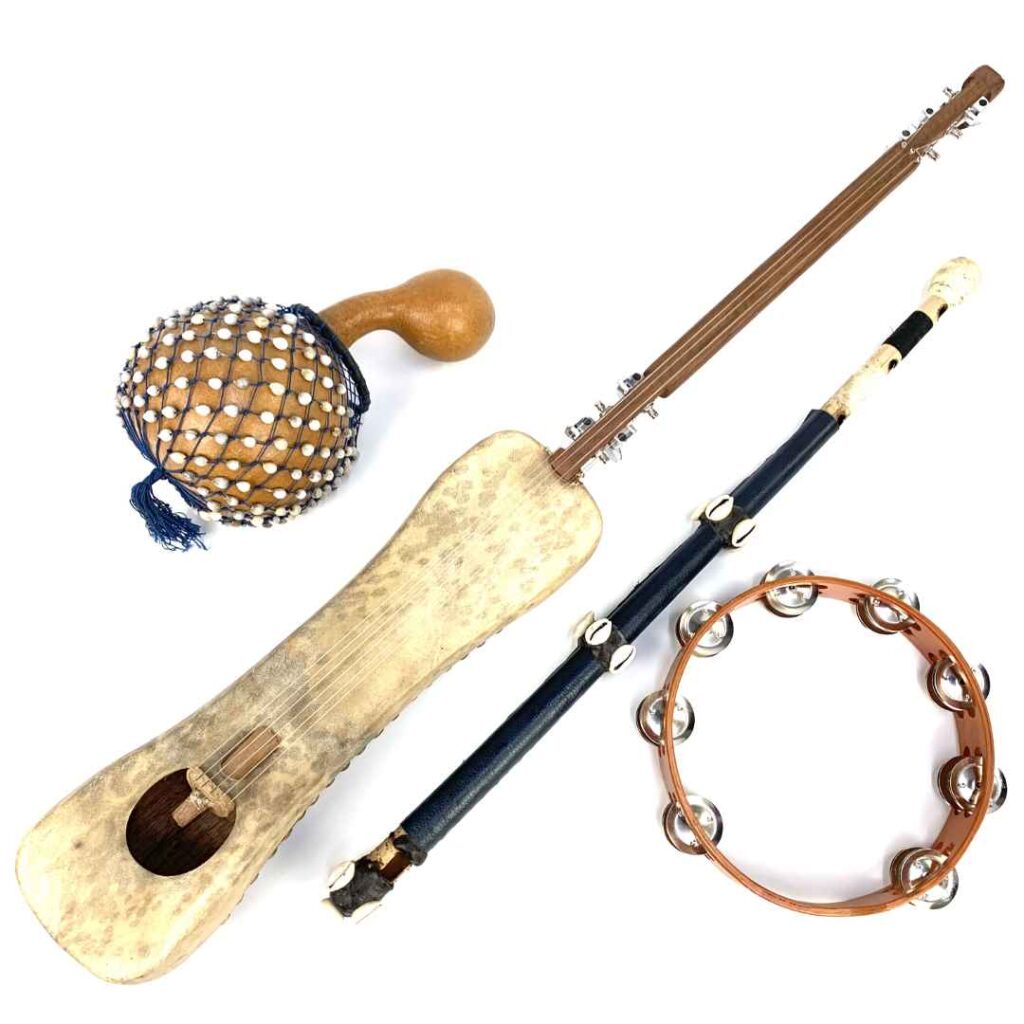
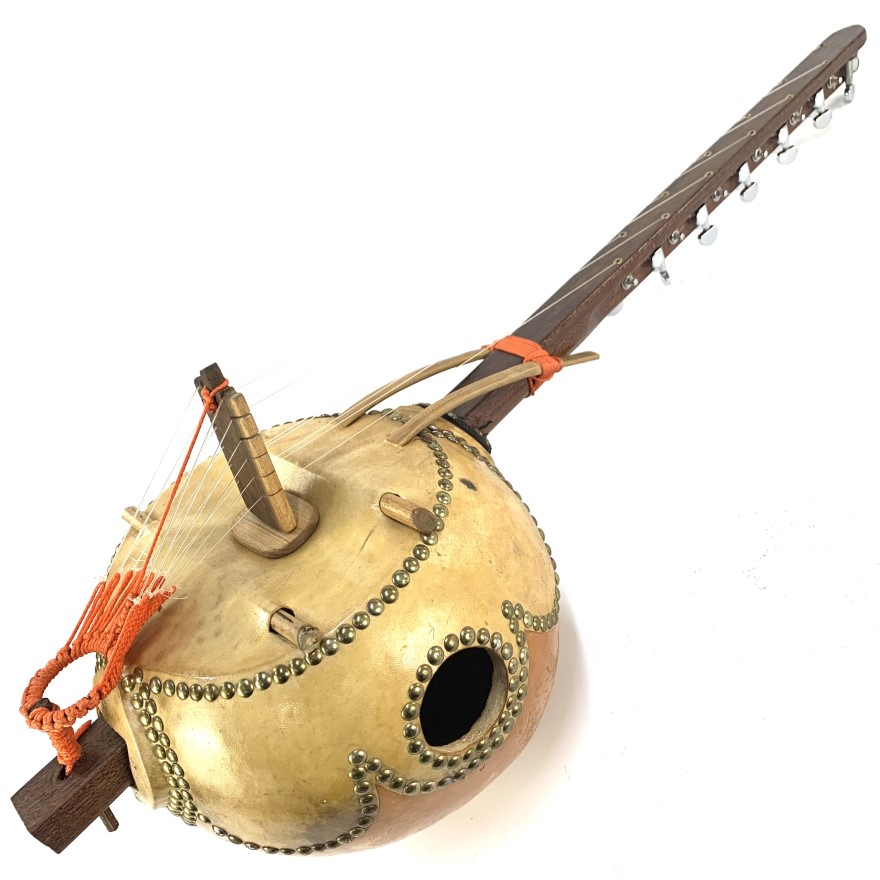
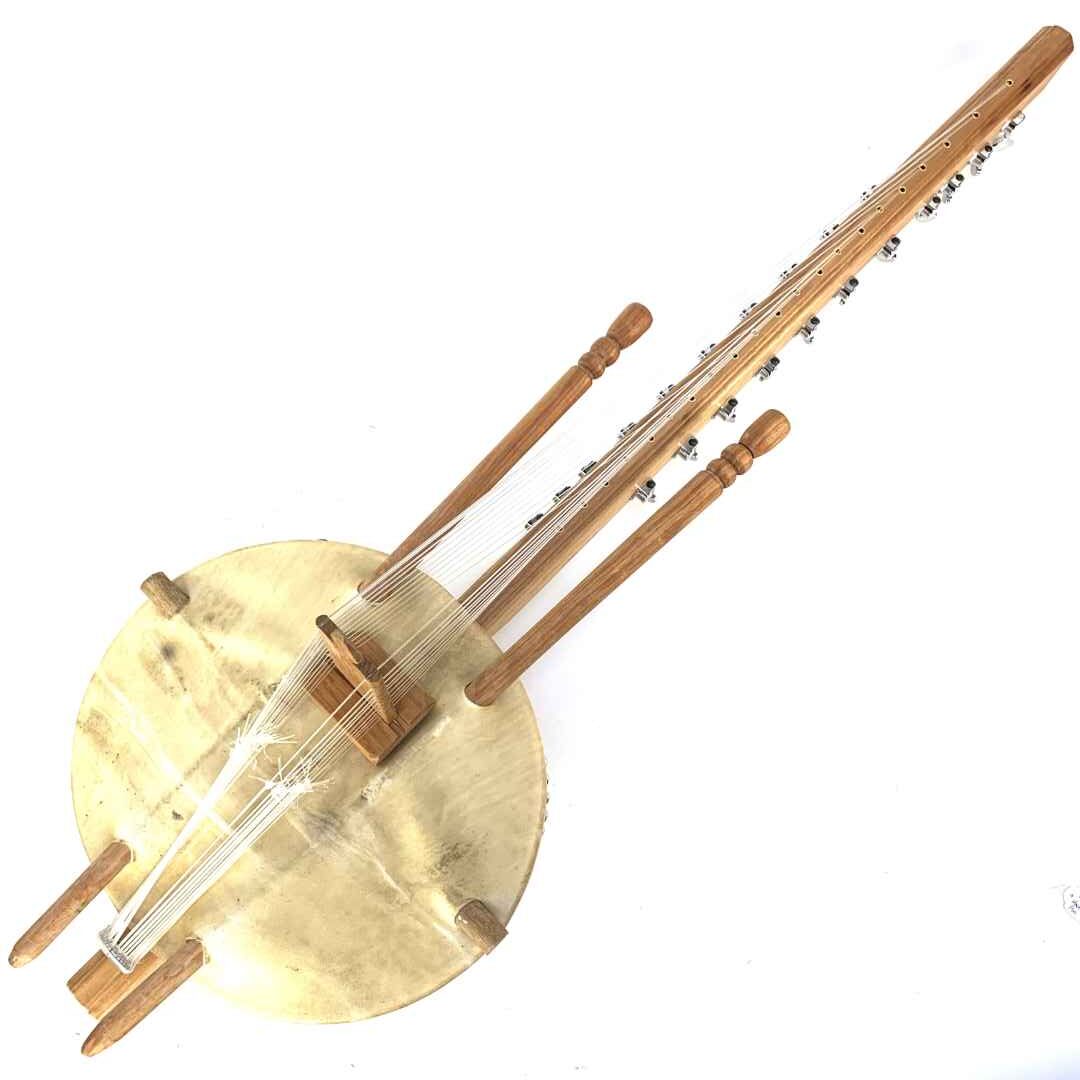
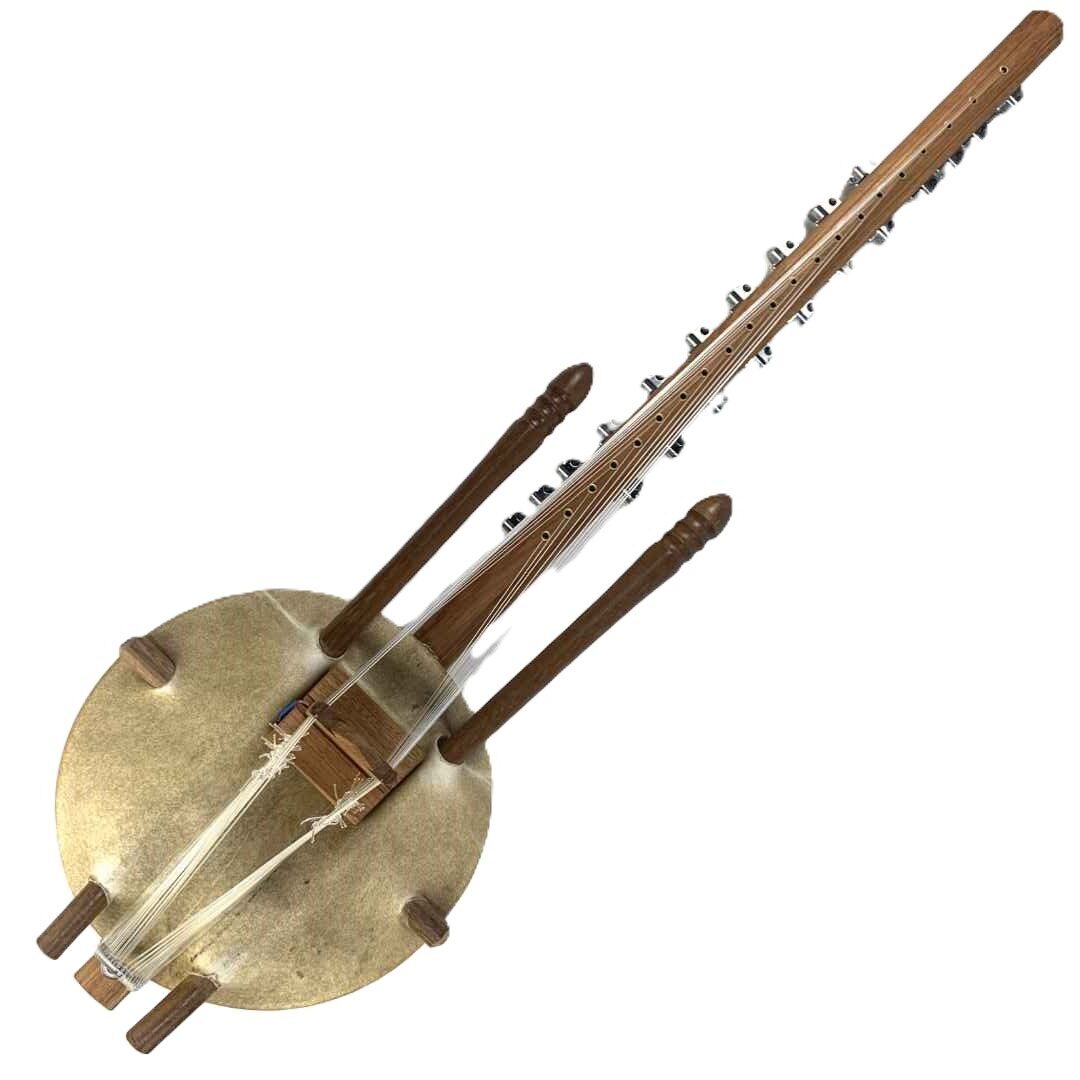
The string instruments include kora, ngoni, and soku, each built using traditional materials and construction methods.
Wind instruments include flutes and didgeridoo, bringing together different approaches to melodic sound within one collection.
The range covers several distinct instruments from West African traditions, each with its own construction, tuning, and cultural context.
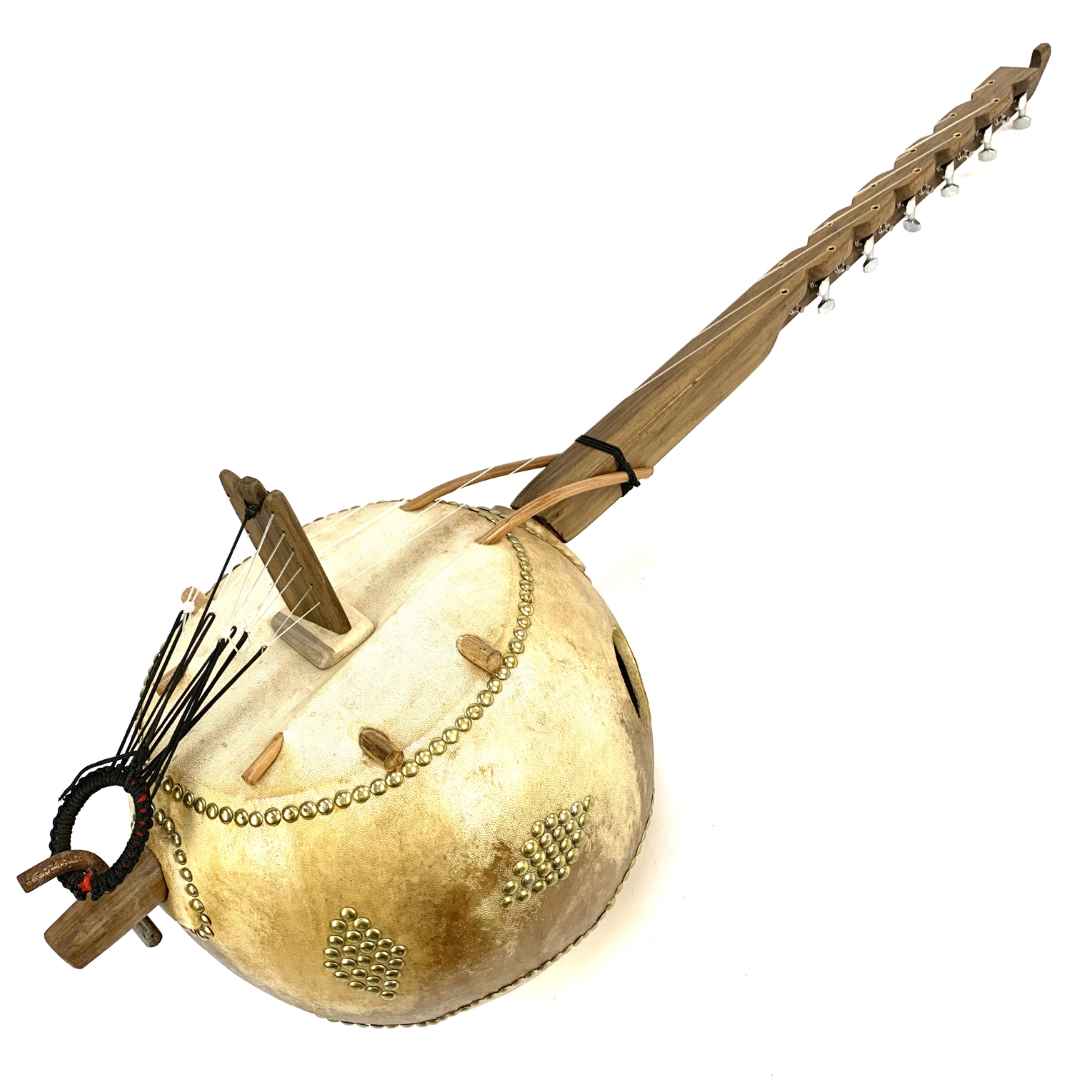
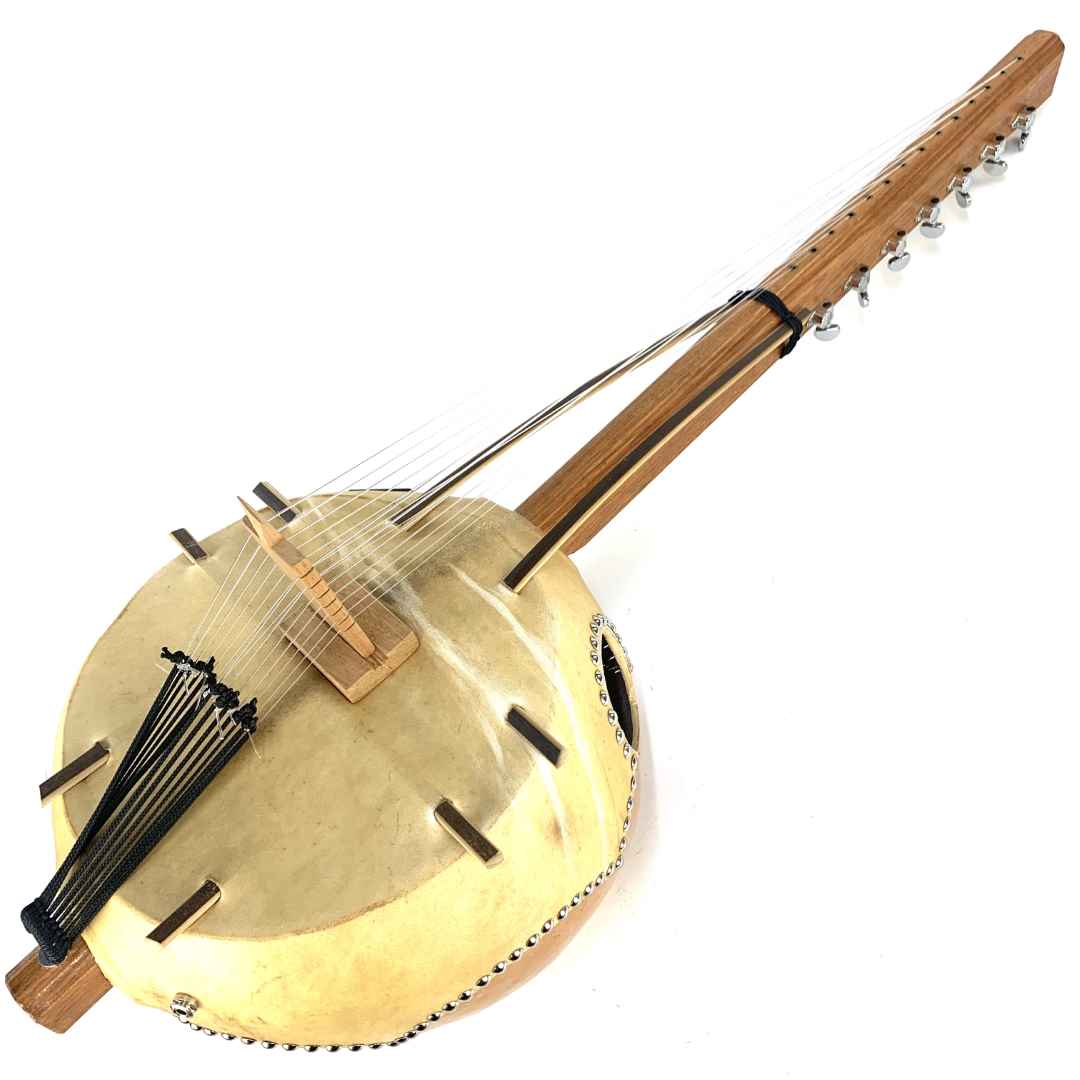
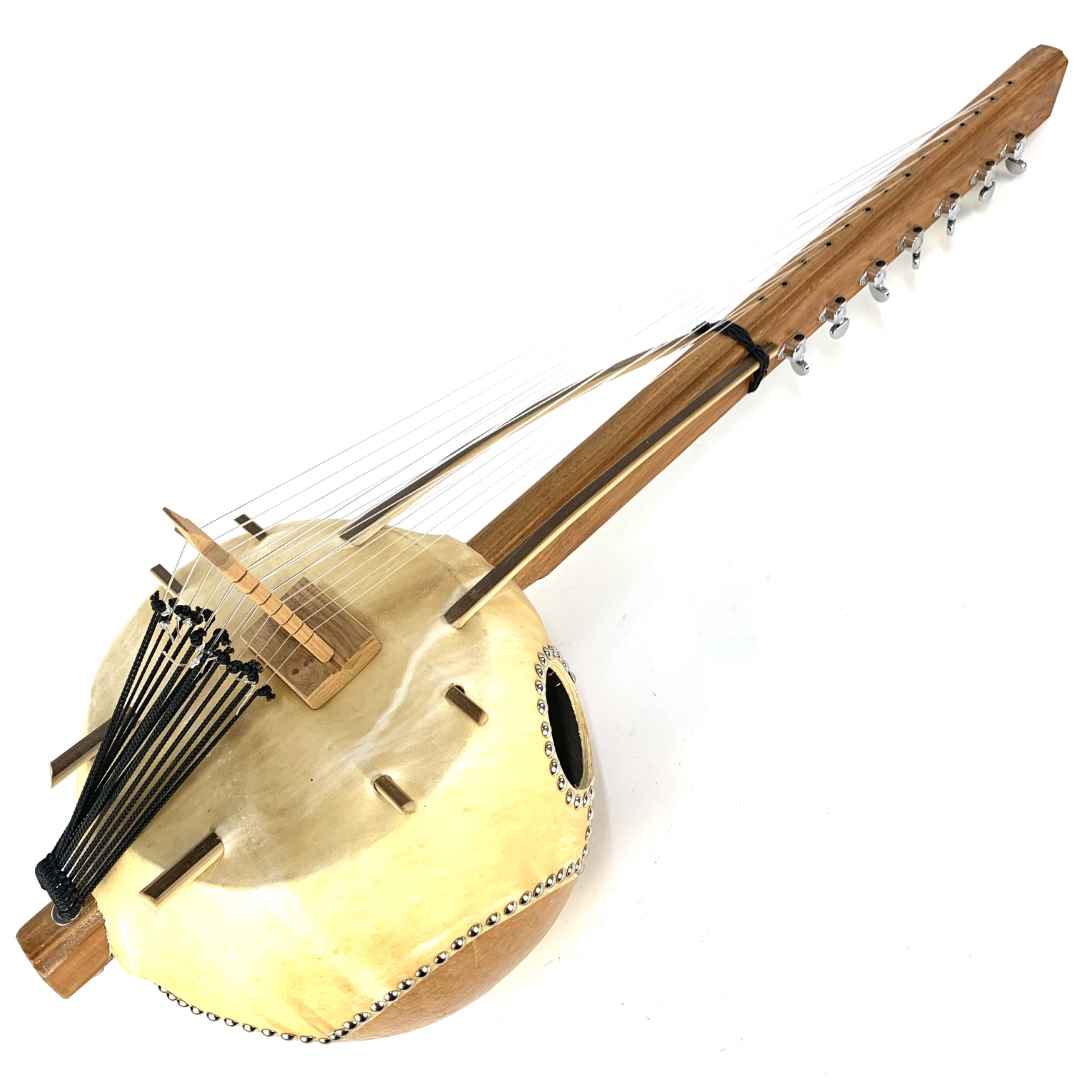
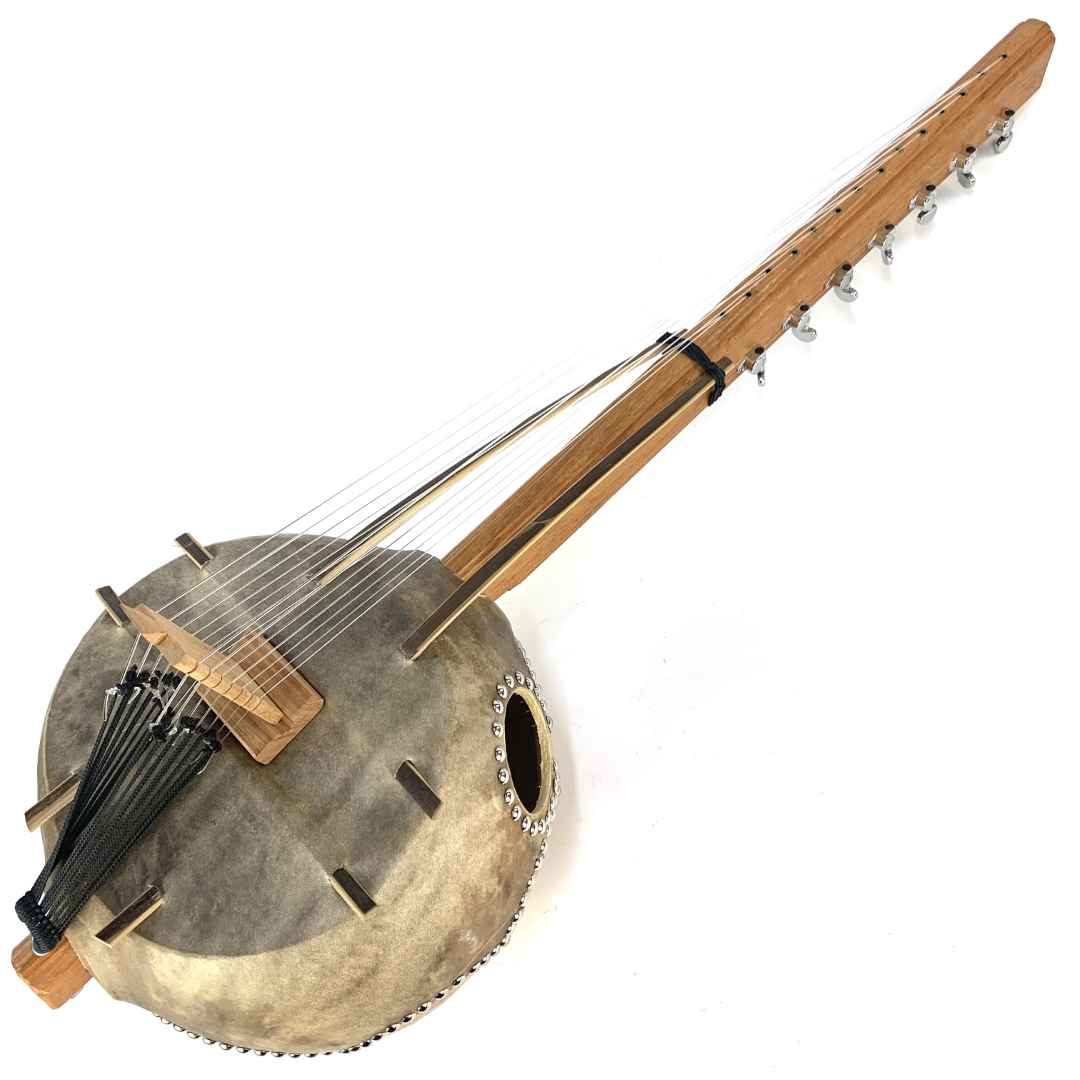
The kora is a 21-string instrument built around a large calabash resonator, most closely associated with the Mandinka griot tradition of Senegal, Gambia, Mali and Guinea. It has a wide melodic range and a bright, harp-like tone.
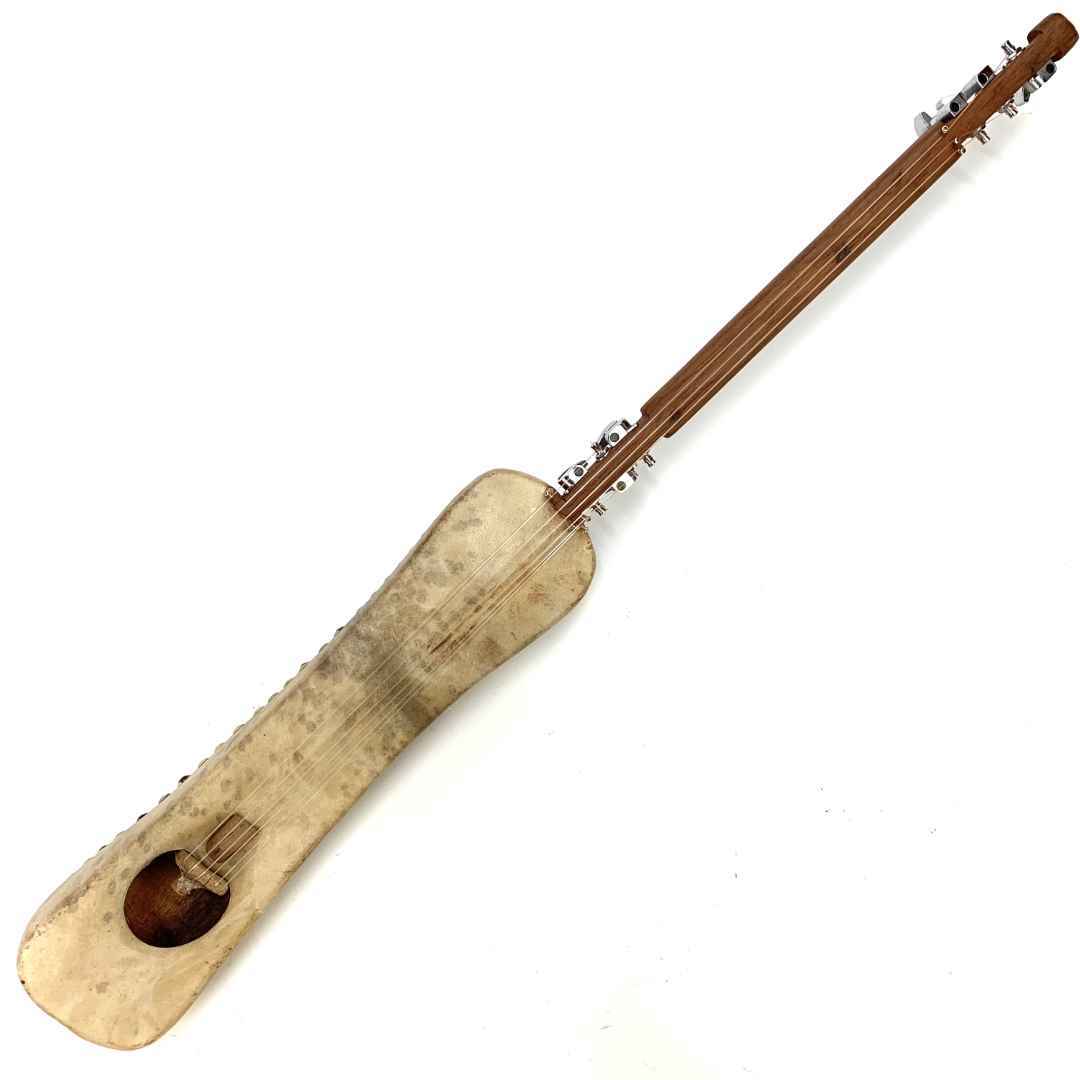
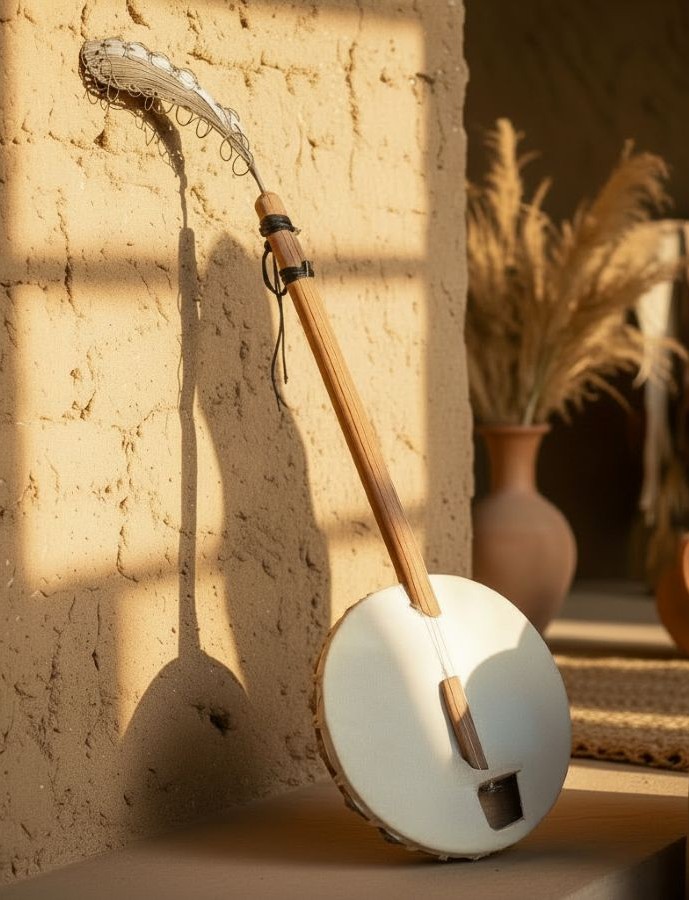
The ngoni is a smaller plucked string instrument, also from the Mande tradition, with a skin-topped body and a more percussive, driving sound. We carry several variants: the jeli ngoni, the traditional form played by griots; the donso ngoni, a hunter’s instrument with a deeper, earthier tone; the Kamale ngoni which has a warm, flowing sound and simple pentatonic tuning, suited to relaxed, melodic playing. and the kontigi, a plucked string instrument from the Hausa tradition of northern Nigeria and Niger.
The soku is a one-string fiddle played with a bow, used across the Sahel region as both a solo and accompaniment instrument.
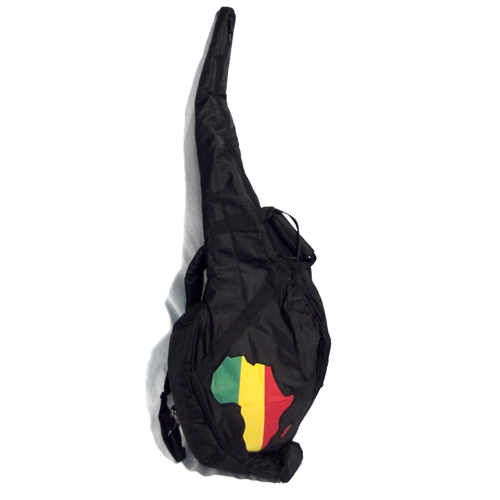
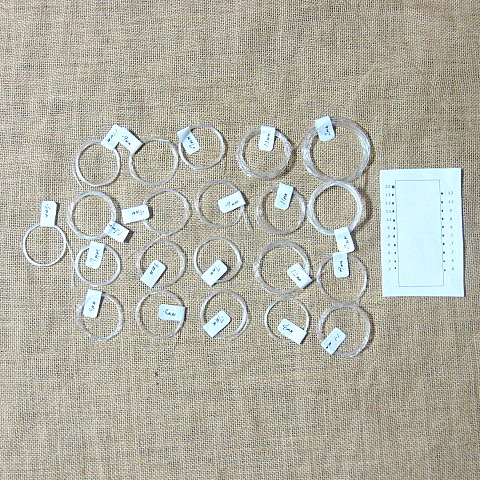
For those already playing, we also carrykora stands, kora and ngoni bags, and replacement strings.
What are calabash used for?
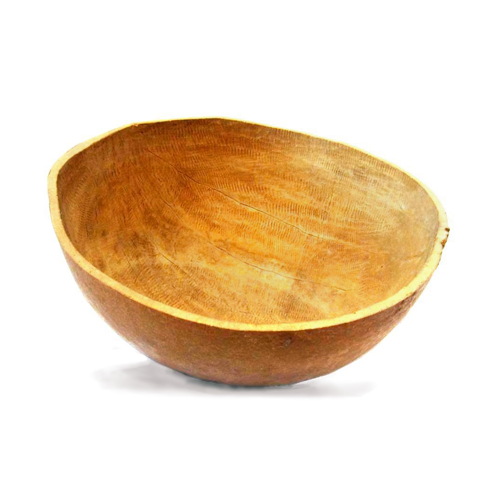
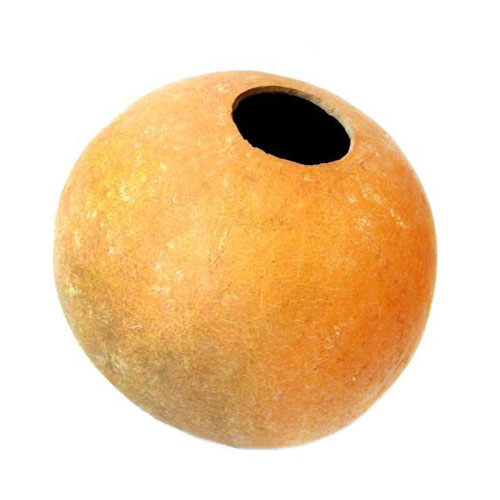
Calabash are dried and hollowed gourds with a long history across West Africa, used as everyday vessels, storage, and as acoustic components in instrument building. In music, they function as resonators, amplifying and shaping sound, and are central to the construction of kora, bolon, donso ngoni, soku, and djidunun water drums. They also work well for mbira playing.
We carry two types. The half calabashcomes directly from Niger and has thick walls that add depth and bass response. It works as a resonator component and is also played on its own as a percussion instrument, struck with sticks or hands to produce a range of percussive sounds. They also form the primary sound resonator of a Kora and Soku.
The whole calabash is sourced from Togo and Niger, selected for symmetry and wall thickness. These are the gourds used as the body of a ngoni, and their size and density directly affect the instrument’s resonance and projection.
What wind instruments do you carry?
The wind range brings together flutes,jew harps, and didgeridoos from several different traditions.
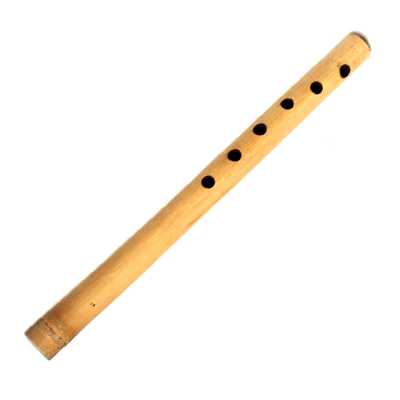
The atenteben is a traditional bamboo flute from Ghana, sourced directly through the legendary Dela Botri. It comes in two tunings: B flat, which is a transposing instrument with music written a tone higher than it sounds, and C, which maps directly to piano pitch. Both are handmade and suited to players at any level.
The Fulani flute comes from the Fula tradition of West Africa, handmade from a conical vine that grows along the Niger River and through the forest regions of Guinea. Each one is wrapped with leather, hand-stitched cloth, and cowrie shell detail, making them as much an object as an instrument.
The bamboo pan flute is modelled on the traditional Peruvian form, carefully tuned for clear, balanced tone. It works well for beginners, practised players, and sound healing sessions.
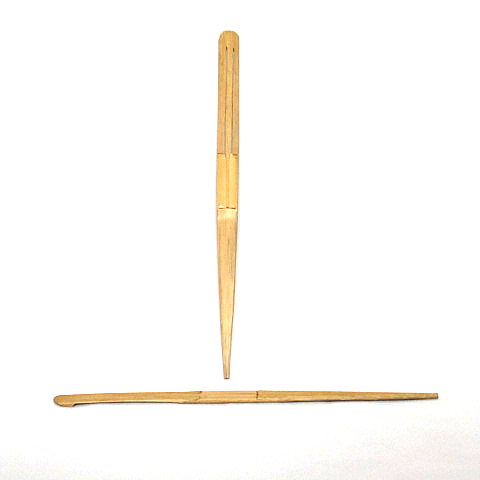
The jew harp range includes a bamboo version and the genggong, a Balinese instrument cut from a single piece of sugar palm leaf stem. Unlike most jew harps where the tongue is plucked directly, the genggong is played by jerking a string attached to one end. Different vowel shapes in the mouth produce different harmonics.
For didgeridoo, we carry a spiral didgeridoo whose curved form makes it compact and easy to travel with while still producing a full, deep tone, as well as a PVC slide didgeridoo for those after a versatile, durable option.
Which of these instruments is best for a beginner?
The ngoni is probably the most accessible starting point. It has fewer strings than the kora, a more forgiving tuning process, and a playing style that can be picked up gradually. The atenteben flute and pan flute are also relatively approachable, particularly for anyone with existing woodwind experience. The didgeridoo has its own learning curve around circular breathing, but the basics can be picked up quickly and there is a lot of free learning material available online.
What is the griot tradition and how do these instruments relate to it?
In the Mande-speaking cultures of West Africa, the griot occupies a role that has no real equivalent elsewhere. Part musician, part historian, part spokesperson, the griot holds the memory of a community across generations and gives it back through song, speech, and performance. The role runs through family lines and carries real social weight. At ceremonies, negotiations, and gatherings, the griot’s presence matters.
The word jeli is the Mande term for griot, which is why the jeli ngoni carries that name. The kora is the other instrument most closely tied to this tradition. Both are still played by working griots today, and both have also travelled well beyond West Africa into contemporary and fusion contexts.
How do I care for a skin-topped instrument or calabash resonator?
Both respond to changes in humidity and temperature, so avoiding extremes is the main thing. Keep them away from direct heat sources, air conditioning vents, and prolonged sun exposure. If you are in a very dry climate, occasional light conditioning of the skin with a natural oil can help maintain its tension and prevent cracking. Calabash bodies are durable but can split if knocked hard, so storing the instrument in a bag when not in use is worthwhile. We carry kora and ngoni bags if you need one.
How long does delivery take, and where do you ship?
We ship across Australia and internationally. Most orders are dispatched on the same day, so you can expect a quick turnaround.
Delivery to metro areas in Australia usually takes 2–5 business days, with regional areas taking a little longer. We also offer express shipping options if you need your order sooner.
For international orders, delivery times depend on your location and the shipping option you choose at checkout.You’ll receive tracking details once your order is on its way. You can find more information on shipping timeframes and options here, or feel free to contact us for help estimating delivery to your area.