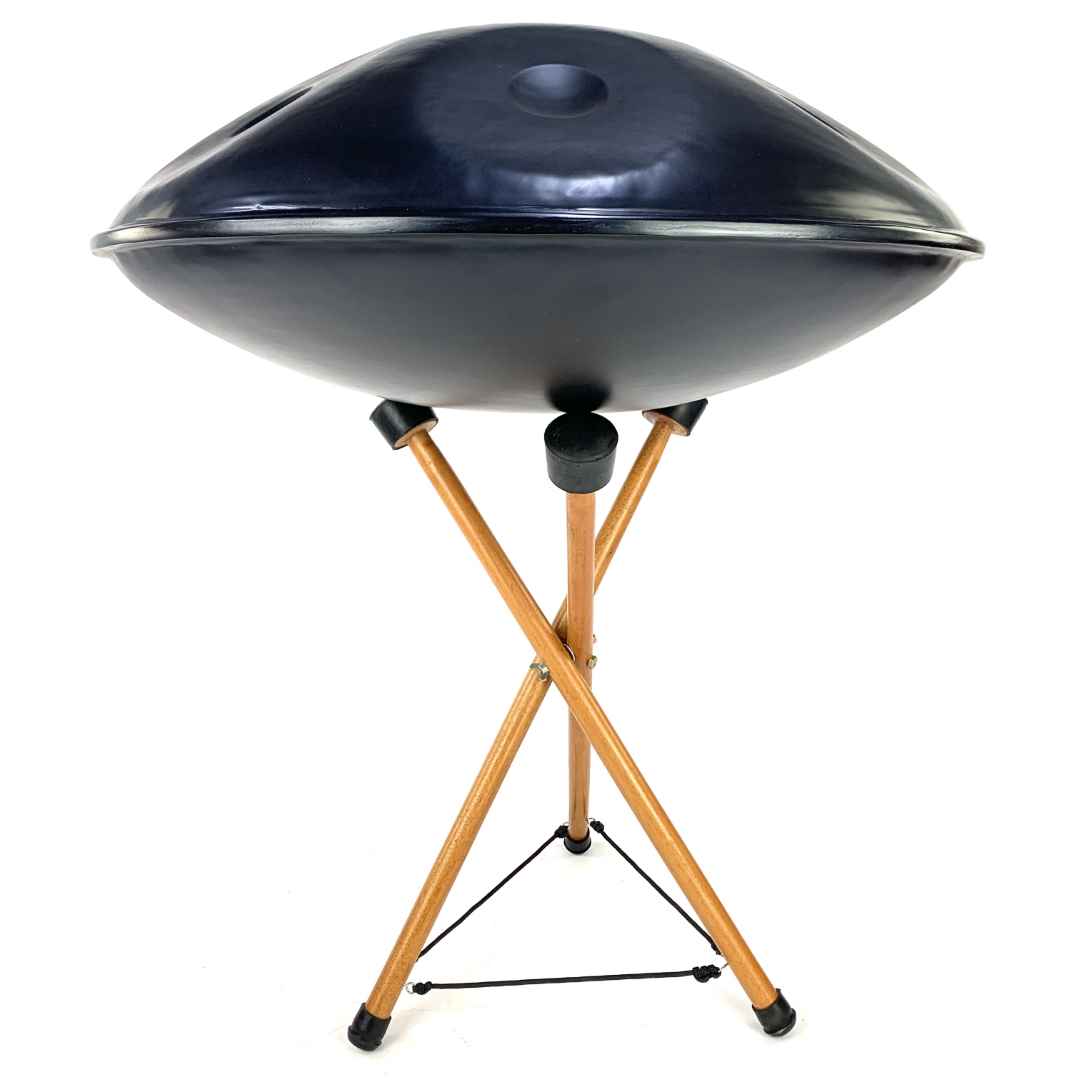
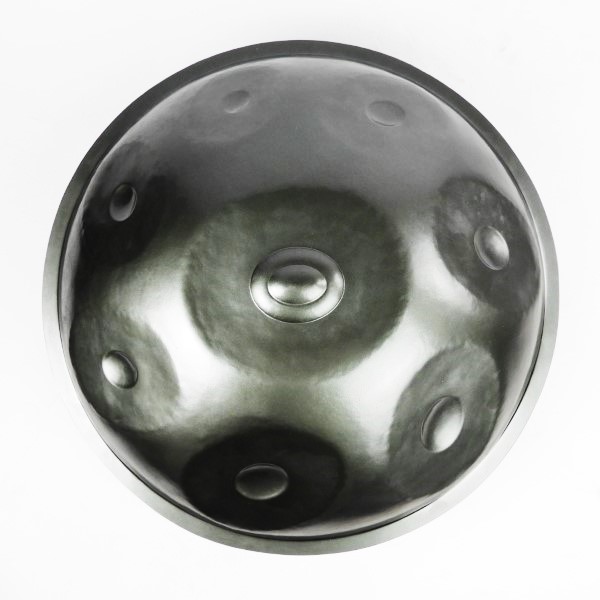
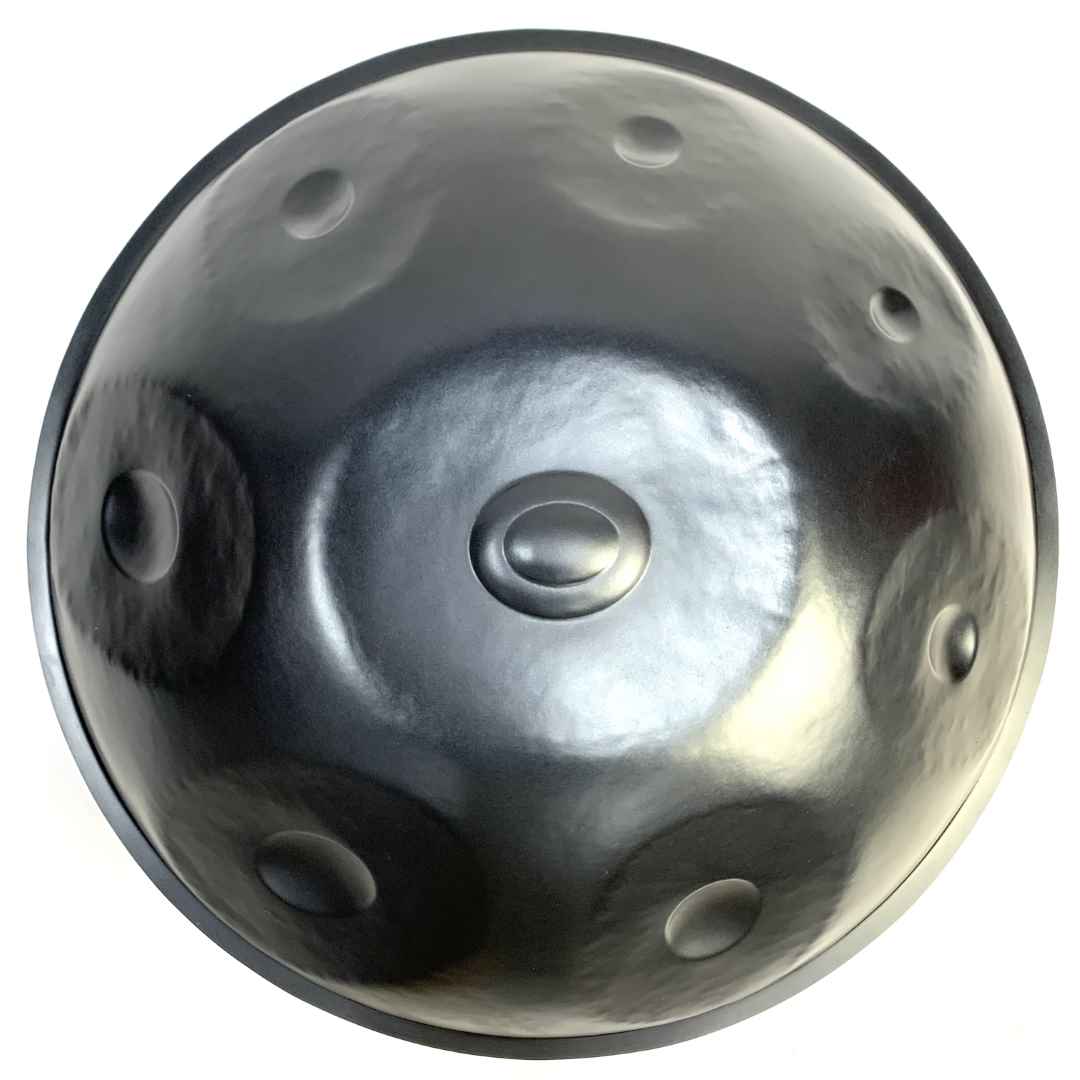
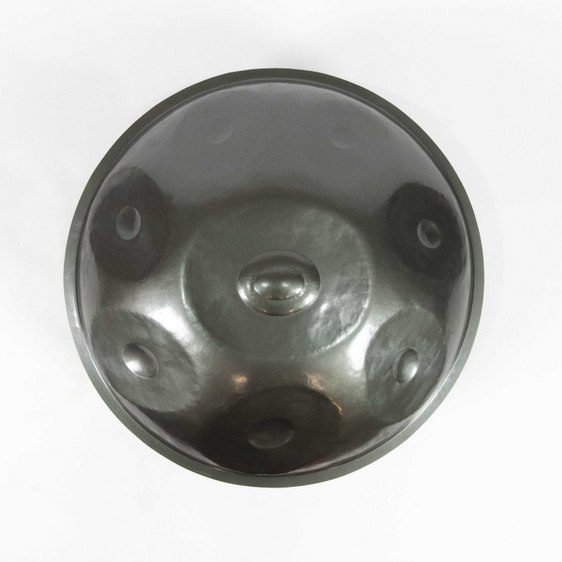
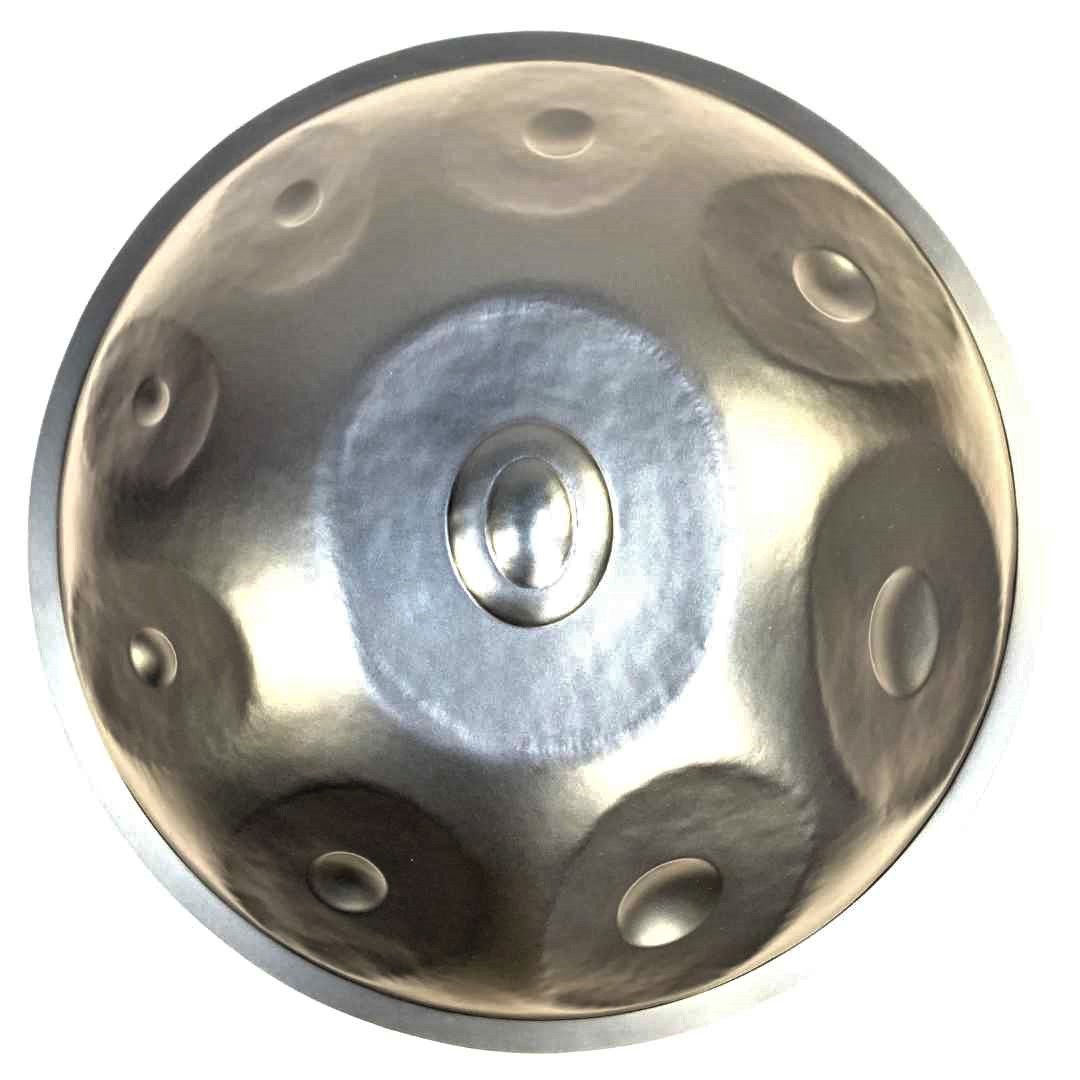
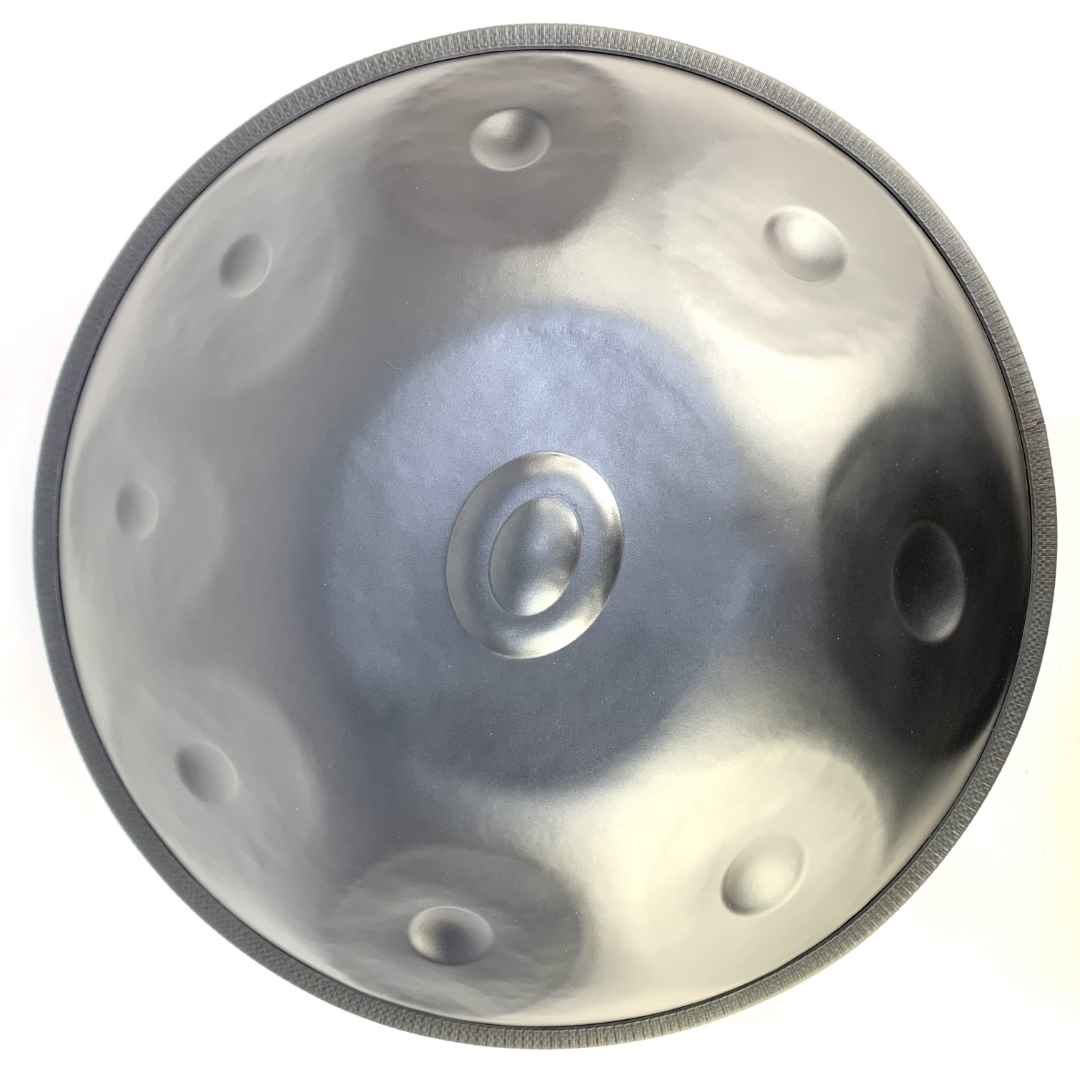
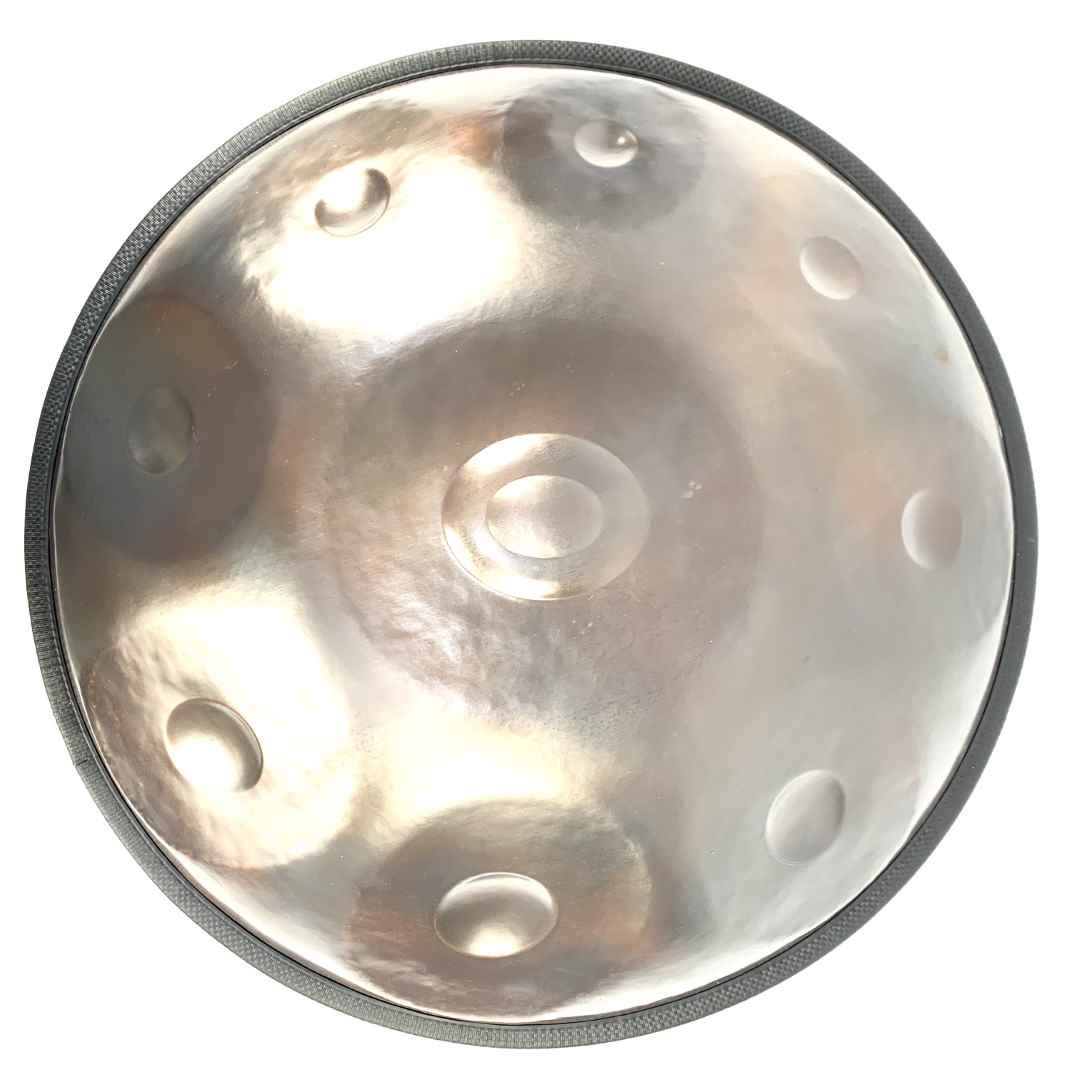
Handpans offer a rich, resonant sound that suits practice, meditation and sound healing. Our collection features quality steel instruments in a range of tunings, similar in style to hang drums, with clear tone and long sustain.
They’re approachable for beginners and rewarding for players who want an instrument that supports focus and creativity.
Our handpans come in two build styles to suit different playing preferences.
The Primo Series, hand-hammered from first-grade pressed steel, offers long sustain and rich harmonics with a warm, resonant voice.
The Master Series, crafted from first-grade pressed iron, features a larger shell volume for added depth and resonance, with extra attention given to tuning the upper sympathetic frequencies for a highly balanced sound.
This is where the SEO Block content goes
A handpan drum is a steel instrument played with the hands, shaped from two domed shells that form a resonant sound chamber. A handpan is tuned by hand to a fixed scale, meaning a specific set of notes that are permanently built into the instrument at the time of making. Unlike a piano or guitar, you can’t change the notes, but every note on the instrument harmonises naturally with the others.
The hang drum was the original version, created by PANArt in Switzerland in 2000. PANArt no longer produces the instrument, which is part of why handpan became the name used by most makers and players today. Modern handpan builders offer a wide range of tunings and materials.
Most handpans are made from one of two steel types, and the choice affects both sound and maintenance.
Nitrided handpans are made from carbon steel treated with a nitriding process, where nitrogen is diffused into the surface to harden it and protect against rust. This is the most traditional handpan material, used in the original PANArt Hang, and remains the most common choice among makers today. Nitrided handpans produce a compact, warm, earthy tone with good sustain and benefit from regular oiling to maintain the surface.
Stainless steel handpans are a more recent development in handpan making, increasingly popular with modern makers. They produce a brighter, clearer sound with very long sustain, and are more resistant to rust than nitrided handpans.
Some players find stainless steel slightly less warm than nitrided, though many prefer the extended notes produced. Because stainless steel handpans are highly resistant to rust, less oiling is needed.
Both nitrided and stainless handpans are available in our range. Stainless handpans are identified in their product descriptions.
The Primo Series handpan is made from high quality composite steel with a nitrided coating, producing a warm tone with compact sustain.
It’s a strong starting point for new players and suits those drawn to the classic nitrided handpan sound.
The Master Series handpan is available in both nitrided and stainless steel. Both feature a denser steel composite and larger shell volume than the Primo Series, adding depth and resonance, with extra attention given to tuning the upper sympathetic frequencies for a more balanced sound overall. The nitrided Master uses a premium steel composite with a nitrided coating.
The stainless Master offers the same shell volume and tuning refinement with the added rust resistance and brighter tone & sustain of stainless steel.
The steel type is noted for each handpan.
If you’re unsure which handpan suits you, get in touch and we’ll help you choose.
Handpans are one of the more approachable instruments for beginners. Each handpan is tuned to a fixed scale, so every note naturally harmonises with the others. There are no wrong notes.
For anyone buying their first handpan, the D Minor Pentatonic handpan is one of the most recommended starting points. It has a wide range, a strong and expressive character, and pairs naturally with other instruments tuned to D Minor or A Major.
The D Minor Pentatonic is a scale that suits beginner handpan players and experienced players equally well.
If you’re buying a handpan for meditation or sound healing, D Pentatonic Minor and D Kurd are popular choices.
For something brighter and more versatile, F Major and E Paradiso suit a wide range of playing styles.
Here’s a handpan guide to help you choose by mood:
Calming handpan scales: D Pentatonic Minor, D Kurd, E Paradiso
Uplifting handpan scales: F Major, E Paradiso, C# Annaziska
Grounding handpan scales: D Pentatonic Minor, D Kurd, F Major, D Hijaz
Dreamy handpan scales: D Celtic, E Akebono, D Gudu
Joyful handpan scales: F Major, E Paradiso, C# Annaziska
Mystical handpan scales: D Hijaz, E Akebono, F Pygmy, D Gudu
Beginner friendly handpan scales: D Pentatonic Minor, F Major, E Paradiso, C# Annaziska
If you’re unsure, our most recommended starting scale is the D Minor Pentatonic, which appears across several moods and pairs naturally with other instruments. Every handpan in our collection has a video, so you can hear each scale before you choose.
If you’d like a personal recommendation based on your playing style or intention, get in touch and we’ll help you find the right fit.

Handpans and steel tongue drums are often compared, and both suit meditation, sound healing, and personal practice. The main difference is in how they are built and how they sound.
A handpan is shaped from two steel or iron shells with tone fields hammered directly into the surface. This produces deep, layered tones with long sustain and a complex sound that opens up the more you play.
A steel tongue drum has notes cut into the steel as tongues, each vibrating at a specific pitch when struck. The sound is clear and bright, slightly more percussive than a handpan. Steel tongue drums are generally more affordable and lower maintenance, making them a popular starting point for new players.
If you’re drawn to the meditative depth of a handpan but want to explore steel tongue drums first, have a look at our steel tongue drum collection (this will be internally linked).
A well-made handpan holds its tuning for years under normal playing conditions. Some minor pitch settling is normal in the first weeks after a new handpan is first played regularly. Playing too forcefully can affect handpan tuning over time, so a relaxed touch is recommended.
If your handpan goes out of tune, retuning should be done by a professional. Handpan tuning requires specialist skill and equipment, and is not something to attempt at home. If you need a retuning service or are unsure whether your handpan is out of tune, get in touch and we can help.
Apply handpan oil to protect the steel. For nitrided handpans, we recommend Phoenix oil. Stainless steel handpans are highly resistant to rust and require less frequent oiling, though a light application every few months is still recommended. Use only oils or waxes made specifically for handpan care and maintenance.
Every 6 to 12 months: Clean the handpan with isopropyl alcohol or ethanol-based rubbing alcohol diluted to 50-75%, using a soft cloth on both sides, the rim, and the inside. Cleaning removes any oil on the surface, so reapply handpan oil afterward. Note that this applies primarily to nitrided handpans. Stainless steel handpans require less intensive maintenance but benefit from the same wipe-down routine.
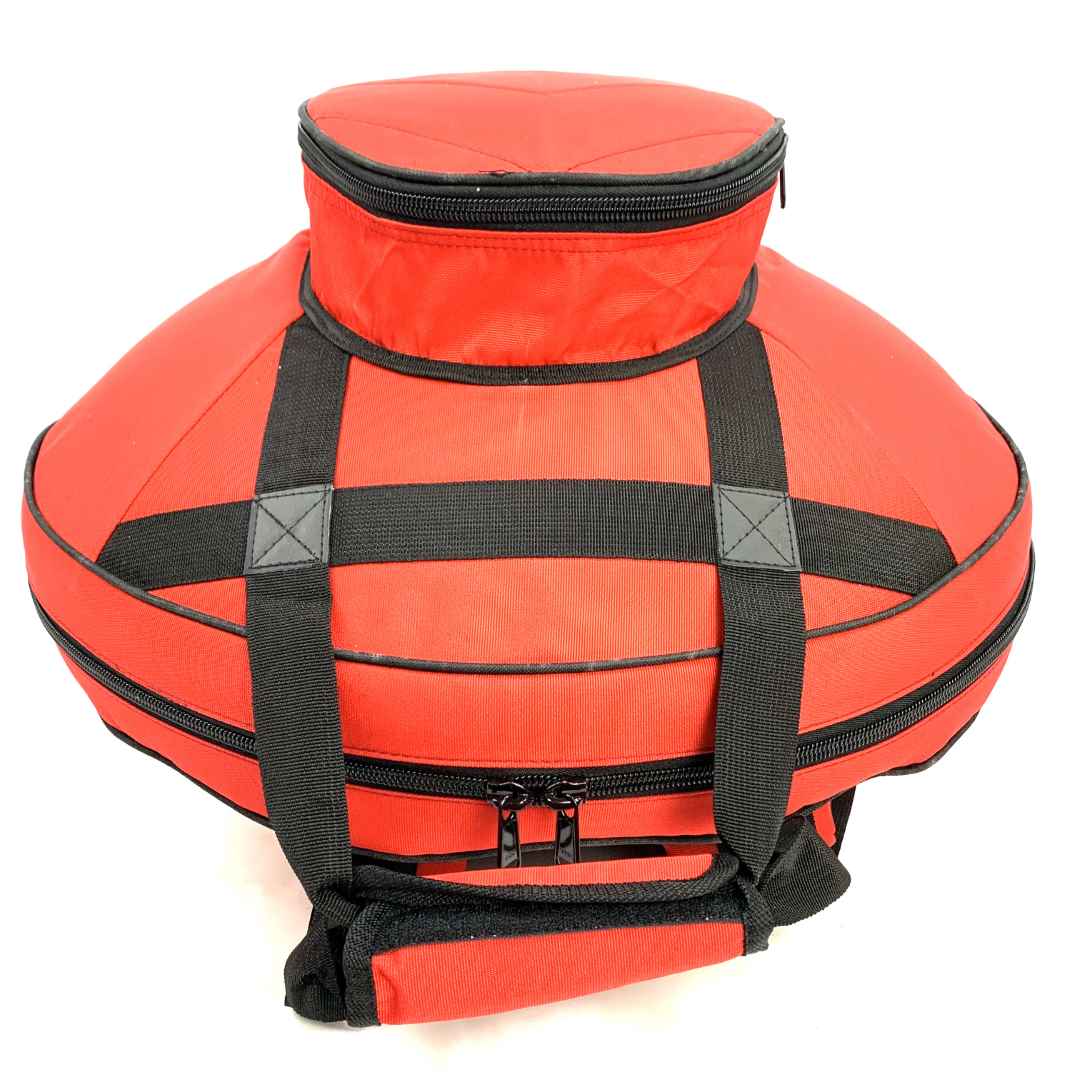
Storage: Keep your handpan in a cool place out of direct sunlight. If stored in its case, leave the zip a quarter open to release moisture and check that the foam doesn’t become damp.
The colour of a handpan can vary slightly due to natural differences in materials. This is normal and won’t affect sound or performance.
We want you to love what you receive. If there’s an issue with your order, we’ll do our best to make it right. To request a return, please contact us within 7 days of receiving your order.
Items must be unused and in original condition.You can find the full details of our policy here, and you’re always welcome to reach out to our team with any questions.
Handpans are one of the more approachable instruments for beginners.
Each handpan is tuned to a fixed scale, so every note naturally harmonises with the others. There are no wrong notes.
For anyone buying their first handpan, the D Minor Pentatonic handpan is one of the most recommended starting points. It has a wide range, a strong and expressive character, and pairs naturally with other instruments tuned to D Minor or A Major.
The D Minor Pentatonic is a scale that suits beginner handpan players and experienced players equally well.
Hit enter to search or ESC to close