We recommend using good quality headphones for all our sound grabs they’re recorded at high fidelity for your listening pleasure!
Need more info or guidance? Get in touch with our team for personalised advice. We’re known for our quick replies!
Product Specifications
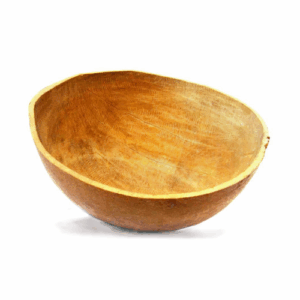
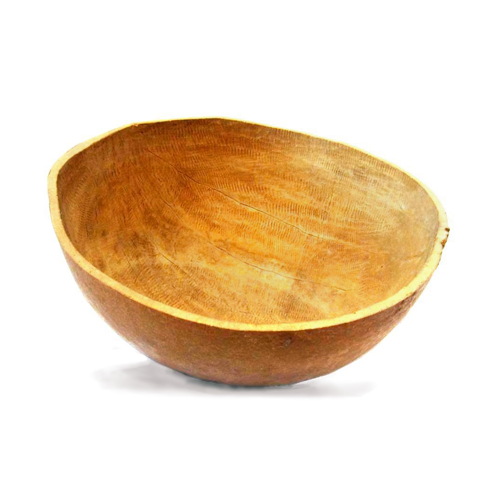
Our Calabash come from Niger in West Africa.
Known as calabash, these dried and hollowed West African gourds have a huge range of uses, from instruments to a common household utensil and storage facility
Instrumentally, they’re used in the construction of Bolon, Donso Ngoni, Kora, Soku, and Djidunun (water drums).
Size Guide
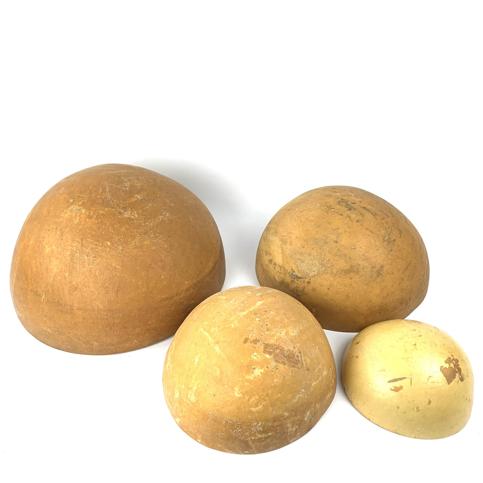
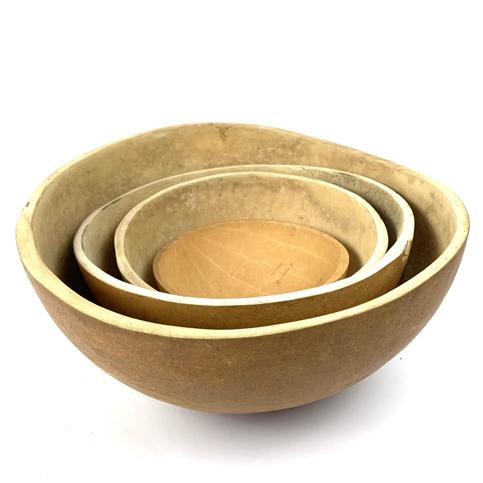
Approximate Sizing
Micro:12-15cm diameter
Mini: 24cm-28cm
Small: 29cm-33cm
Medium: 34cm-37cm
Large: 38cm – 41cm
XLarge: 42cm – 45cm
XXLarge: 46 – 48cm
XXXL: 49cm+
As these are natural products, variations in size and shape are expected.
What size should I go for?
If it’s bass resonance you want then generally speaking “bigger is better”.
Most percussionists go for the XL – XXXL for professional playing and recording uses.
The larger calabash also have extra surface area making find the “sweet spot” a little easier.
As a rule, big hands are suited to bigger calabash.
Shipping & Returns
We dispatch most orders on the same day and ship across Australia and worldwide. Metro deliveries in Australia usually arrive within 2–5 business days, and express options are available at checkout; regional and international timeframes depend on the destination. You’ll receive tracking details when your parcel is on its way.
Need to return your order? Let us know within seven days of delivery. Please keep the item unused and in its original condition. Full details are in our Shipping & Returns policy.
Reviews
FAQs
What is a half calabash?
A half calabash is a dried and hollowed gourd, cut lengthwise and used as a percussion instrument and sound resonator across West Africa.
It belongs to the idiophone family of instruments and is played by striking the bowl with palms, fingers, wrists, or sticks to produce a range of percussive tones.
These calabashes are sourced directly from Niger, where the Tuareg and other Saharan peoples have used the calabash in music and daily life for centuries.
The thick walls found in Niger-sourced calabashes are particularly valued for their bass frequency, resonance, and durability.
How is a half calabash played?
The most common approach is to place the bowl open-side down on a flat surface and strike it with your palms, butt of the hand or fingers, moving across the surface to find different tones.
Heel strikes, fingertip taps, and wrist hits each produce distinct sounds, and most players develop their own technique over time.
The calabash can also be used as a water drum, inverted and floated on top of a water-filled container and struck with the hands — a technique found across West African traditions including the Djidunun.
Experimenting with position and strike pressure will reveal a wide tonal range from a single instrument.
What instruments use a calabash as a resonator or component?
The half calabash is central to the construction and sound of several West African instruments.
The Kora features 21 strings stretched over a large calabash, half covered in cowhide. It is traditionally played by griots in Mali, Senegal, Guinea, and The Gambia as an instrument of ceremony, storytelling, and praise.
Beyond the Kora, calabashes are used in the Bolon, Donso & Kamale Ngoni, Komsa, Soku, and Djidunun water drums.
What size half calabash should I choose?
Size directly affects tone.
Larger calabashes produce deeper bass frequencies and more volume, while smaller sizes give a brighter, more compact sound.
The wall thickness also influences the tone, vibration and resonance.
Most professional percussionists, including those playing Kora and Saharan percussion traditions, choose XL to XXXL for performance and recording, as the extra surface area makes it easier to find the sweet spot.
Larger hands are generally better suited to larger calabashes.
As a general guide:
Micro (12–15cm) — experimental or children’s use
Small to Medium (29–37cm) — beginners and practice
Large to XXXL (38cm+) — performance, recording, and instrument construction.
As a natural groud, some variation in size and shape is expected.
Can I use your half calabash for Kora making?
Yes, and it’s one of the most common uses.
For Kora construction, the calabash forms the body of the instrument and is covered in cowhide — wall thickness and size both matter here, so a large, medium/thick-walled calabash is recommended.
We source directly from Niger, where calabash selection for instrument making is a longstanding craft. If you’re building a Kora and need advice on sizing, get in touch and we can help.
How do I care for a half calabash?
Keep it away from prolonged moisture and direct heat, both of which can cause cracking or warping.
Niger-sourced calabashes are naturally dried over time as part of the traditional preparation process, which gives them durability, but they still need stable storage conditions.
If the surface feels dry, a very light application of a natural oil such as coconut oil can help. Avoid extreme temperature changes.
Minor variations in shape and surface markings are normal in any natural gourd and don’t affect sound quality.