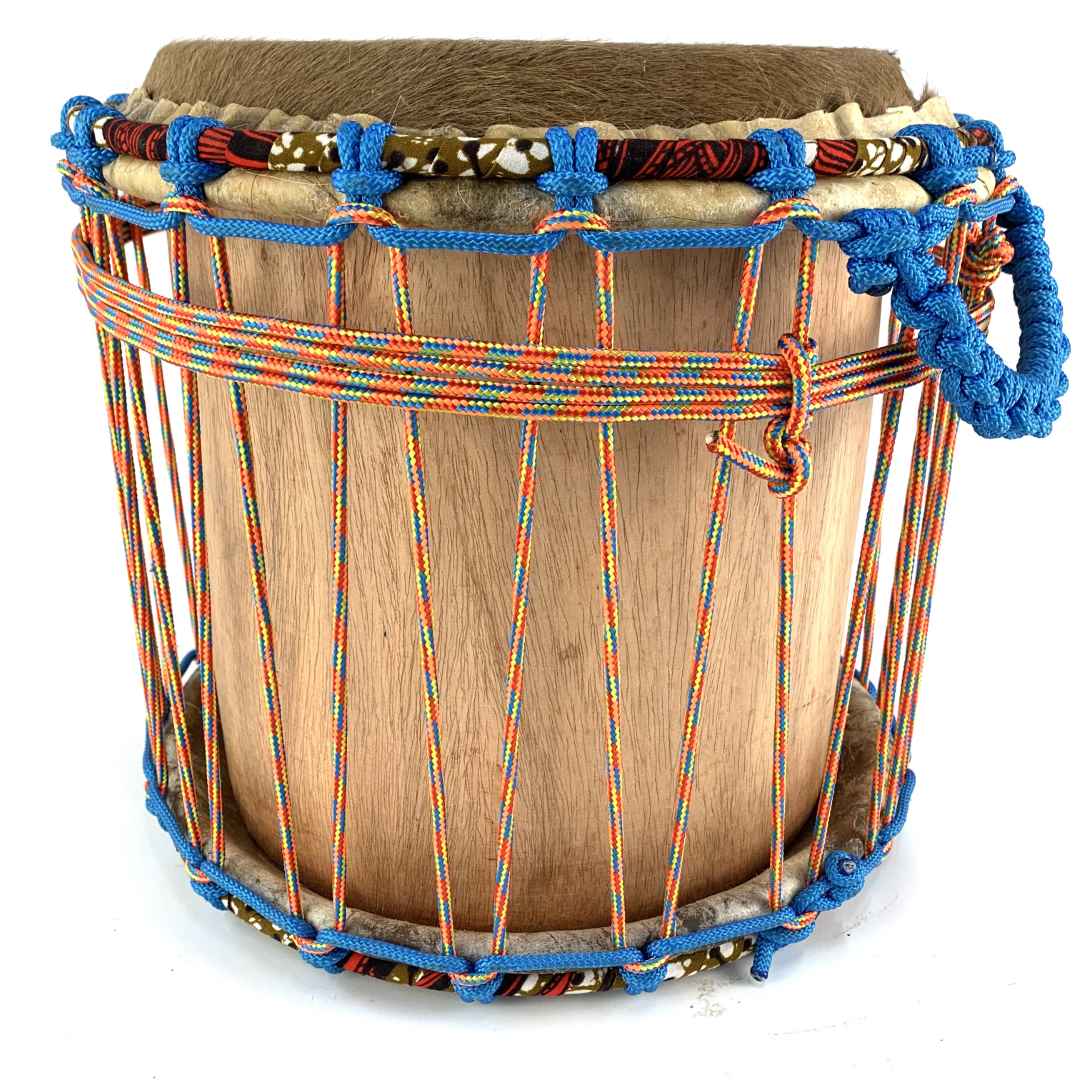
African drums are at the heart of what we do. Our collection brings together percussion from across the continent.
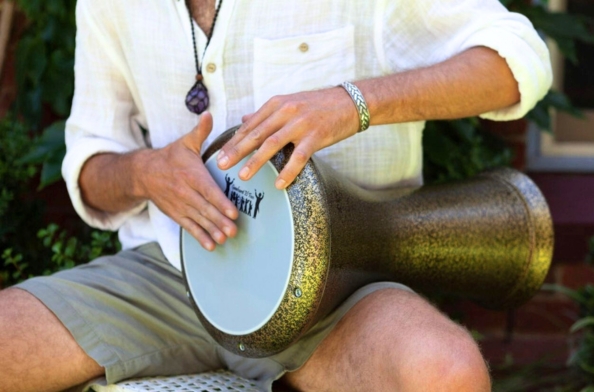
From dununs and bougarabous to talking drums, krin and darbukas, drawn from the traditions of Mali, Guinea, Burkina Faso, Ghana and Egypt.
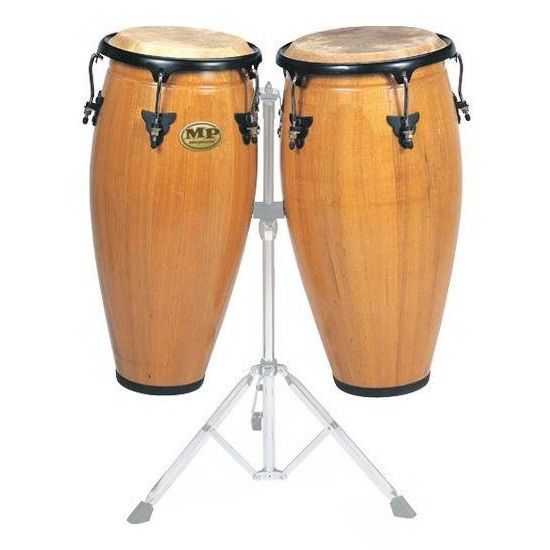
These instruments suit beginners picking up their first drum, teachers and community programs, and experienced players at any level of involvement. You’ll also find latin percussion here, including bongos, cajons and congas, which share deep roots with African rhythm traditions.
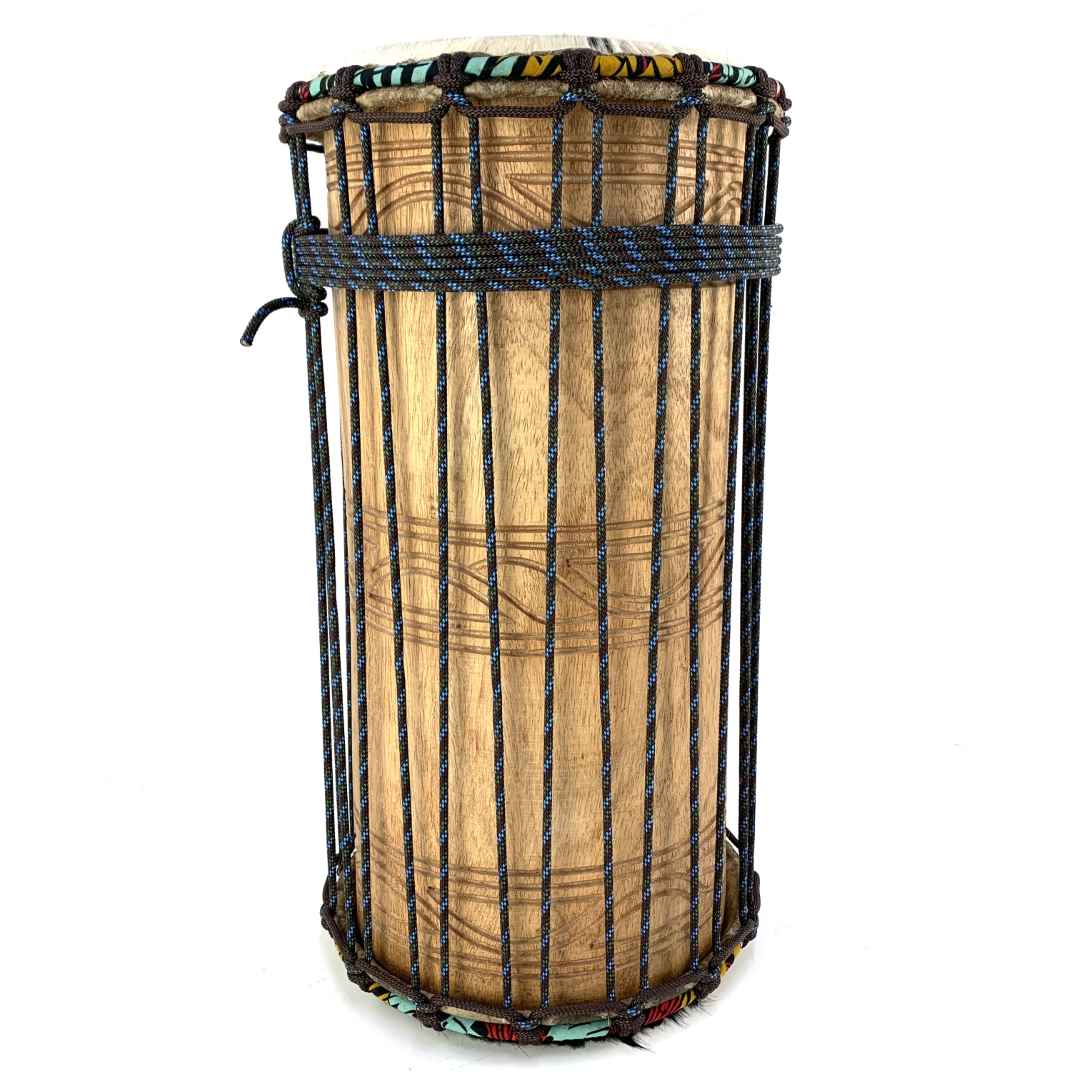
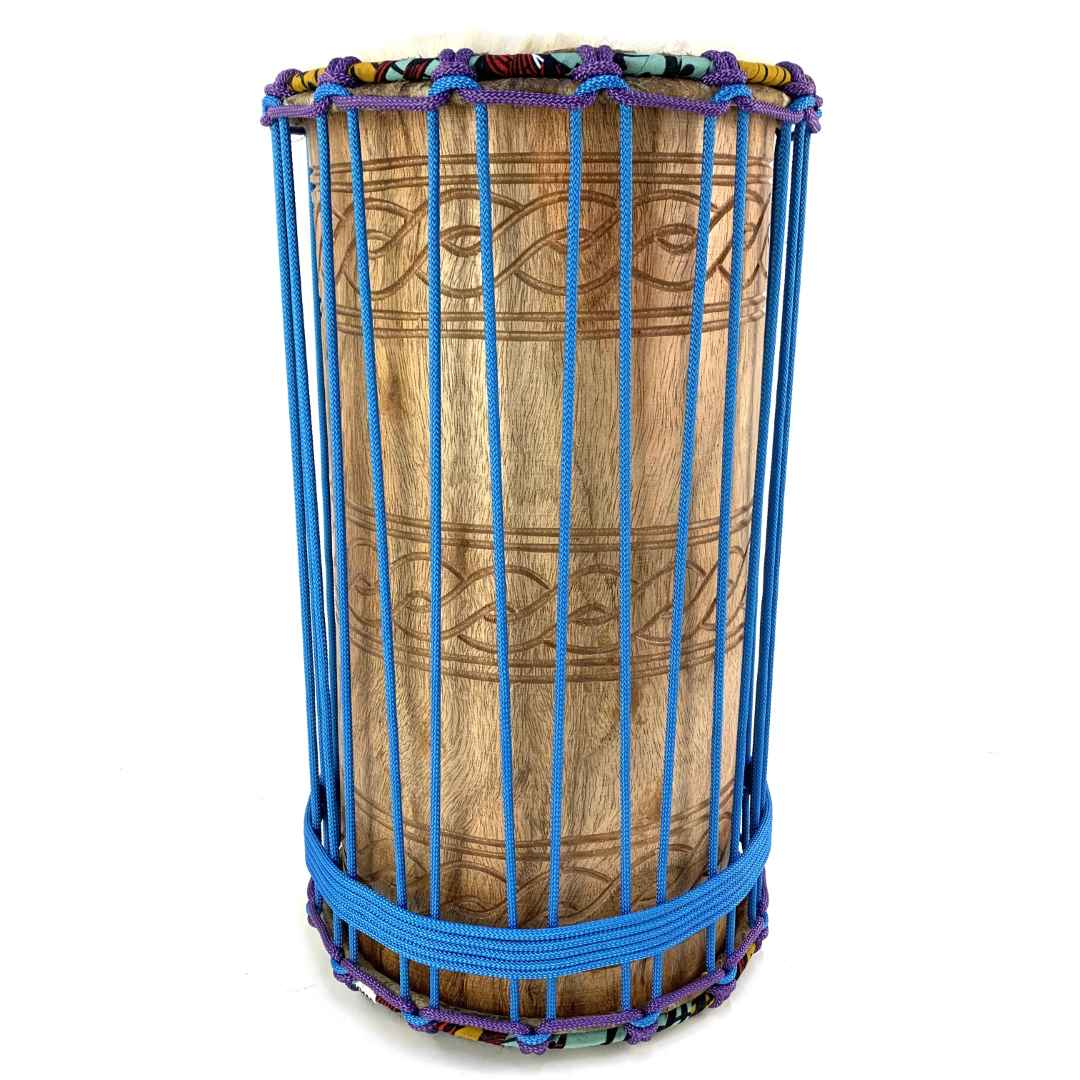
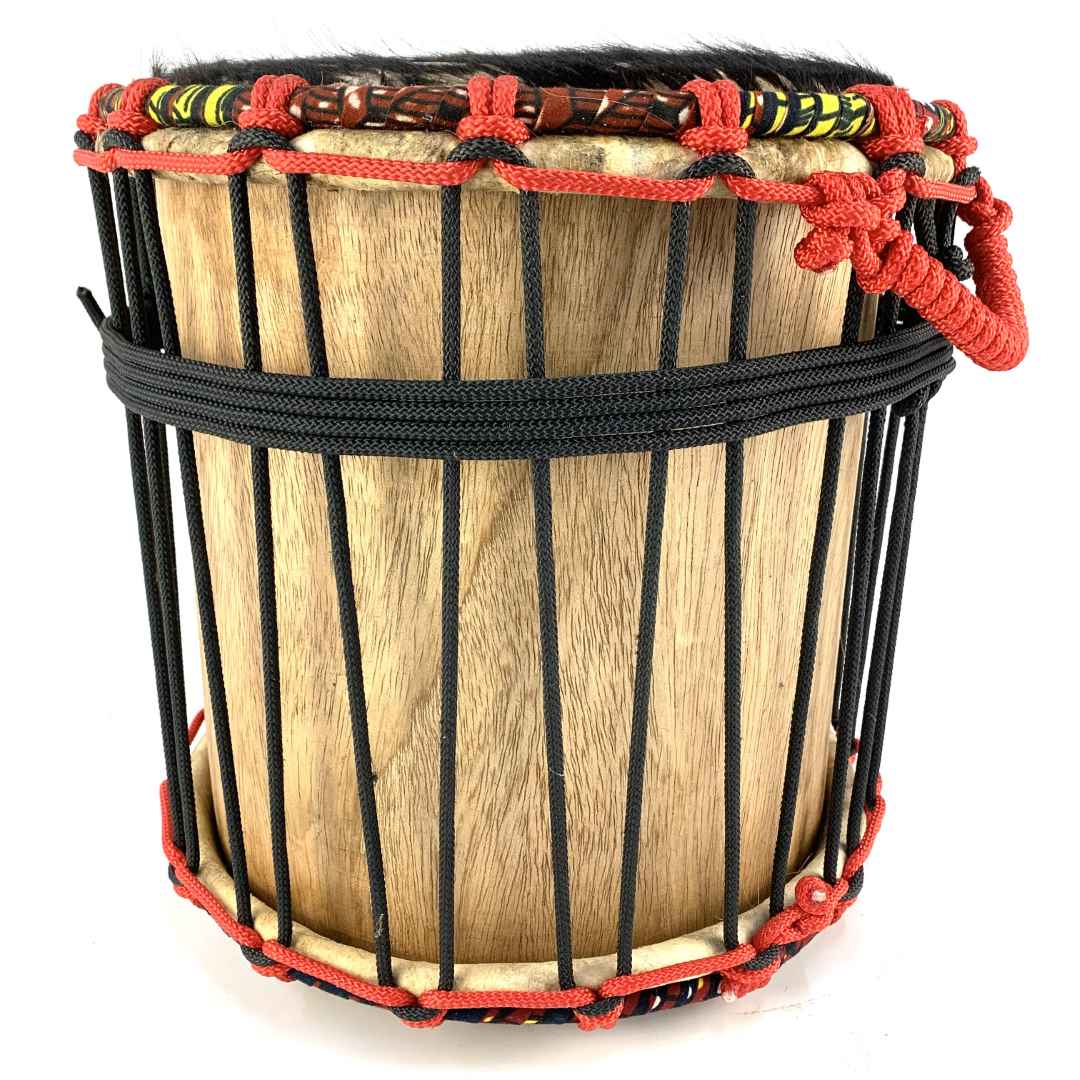
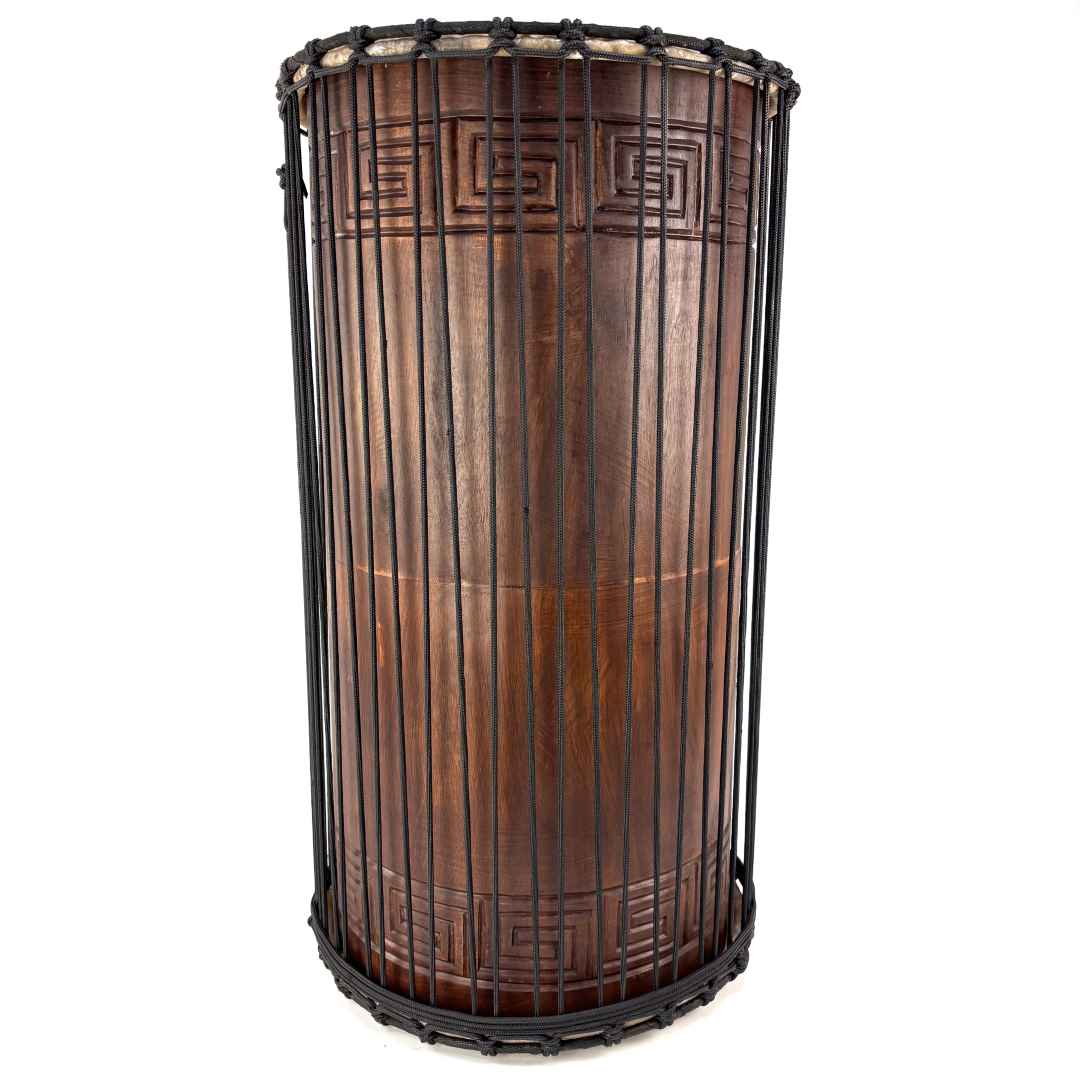
Dununs (also spelled dunduns) are the bass drums of West African music, traditionally played alongside the djembe.
Our collection spans a range of sizes, from compact, lightweight versions suited to younger players, home practice, and school programs, to larger hardwood dununs made in West Africa for experienced and professional use.
We carry individual drums including the kenkeni, sangban, and dununba, as well as complete dundun sets.
Drum making supplies such as dunun shells, skins, and ropes are also available.
Every dunun comes with a free care and tuning guides, so you have everything you need to look after your drum and keep it sounding its best.
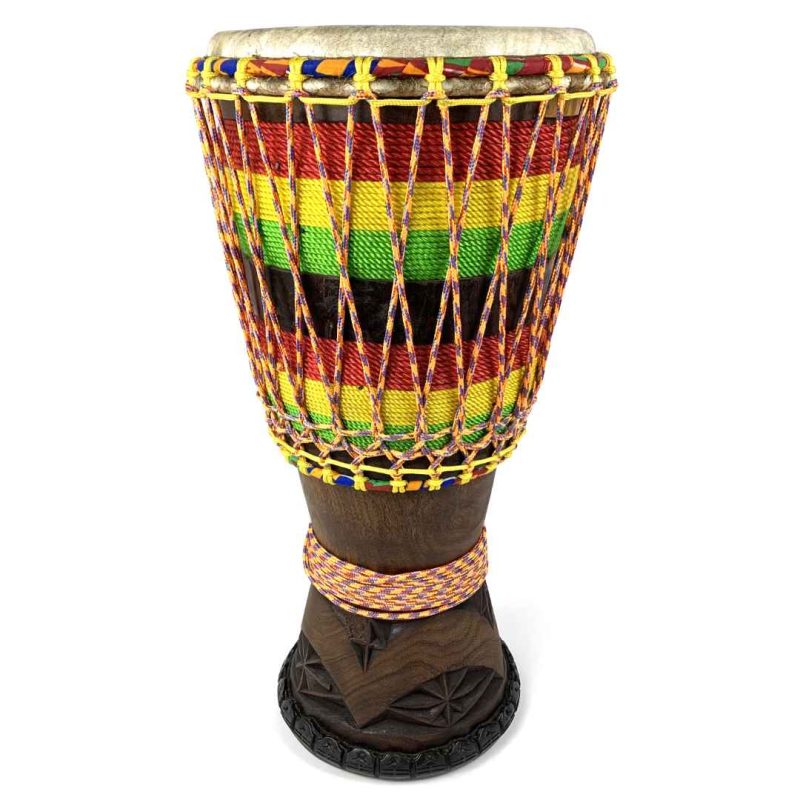
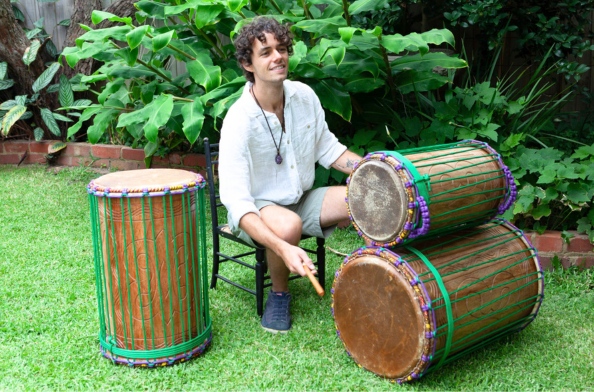
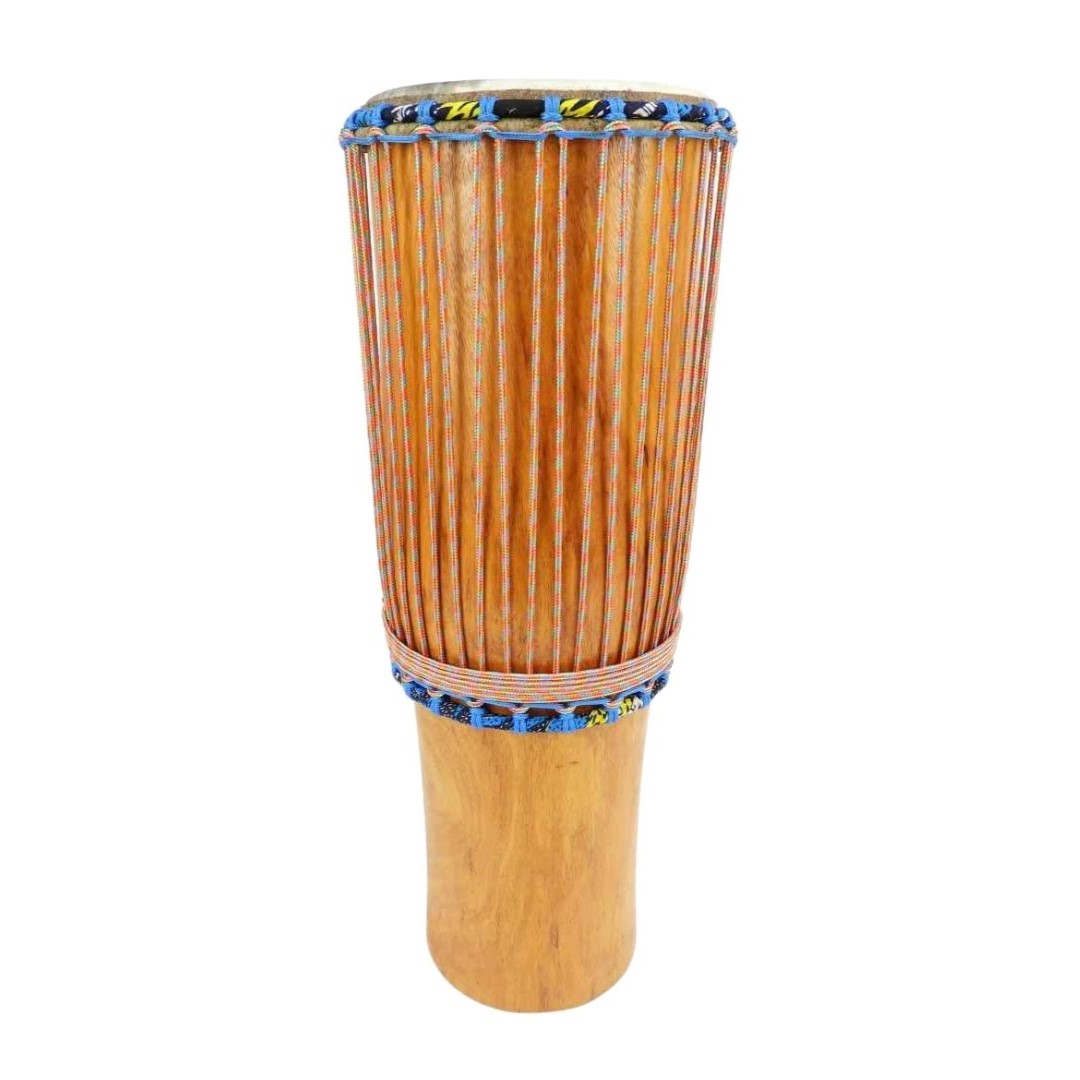
Bougarabou drums come from Casamance, Senegal, where the instrument has deep roots in Jola culture. Unlike the djembe, which is played solo or in an ensemble with other djembes, the bougarabou is traditionally played as a set of drums of different sizes, with one player moving between them.
The sound is lower and more resonant than a djembe, with a rich bass tone that comes from the wider, more open shell.
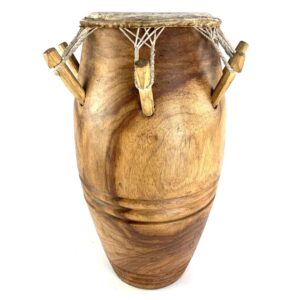
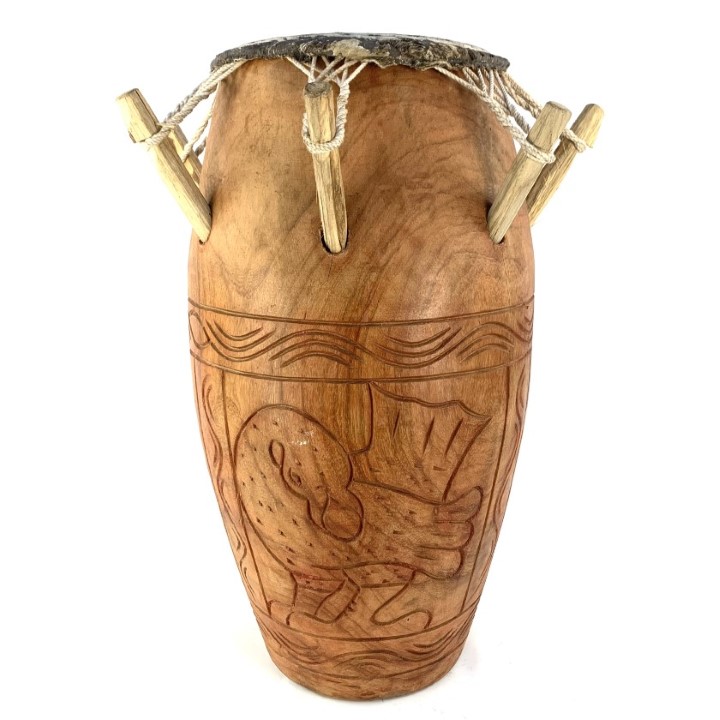
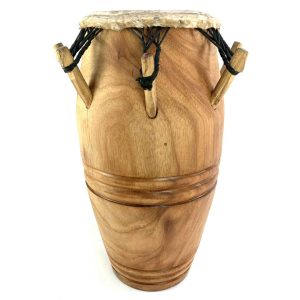
Our Bougarabou drums are carved from hardwood by makers in Ghana, Guinea, Mali and Burkina Faso, with natural skins and solid wooden shells.
Bougarabou shells are also available for drum makers who prefer to build or customise their own instrument. Every bougarabou comes with a lifetime of free tuning at our studio.
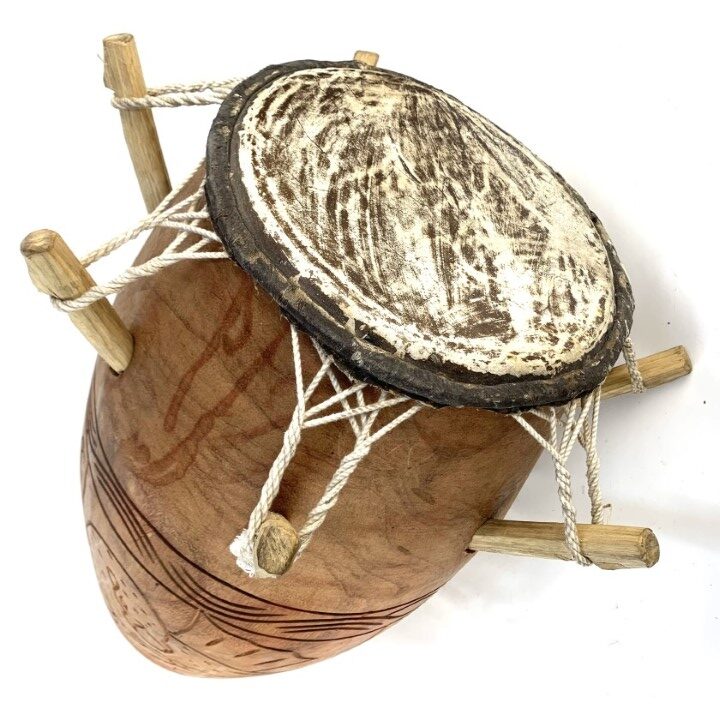
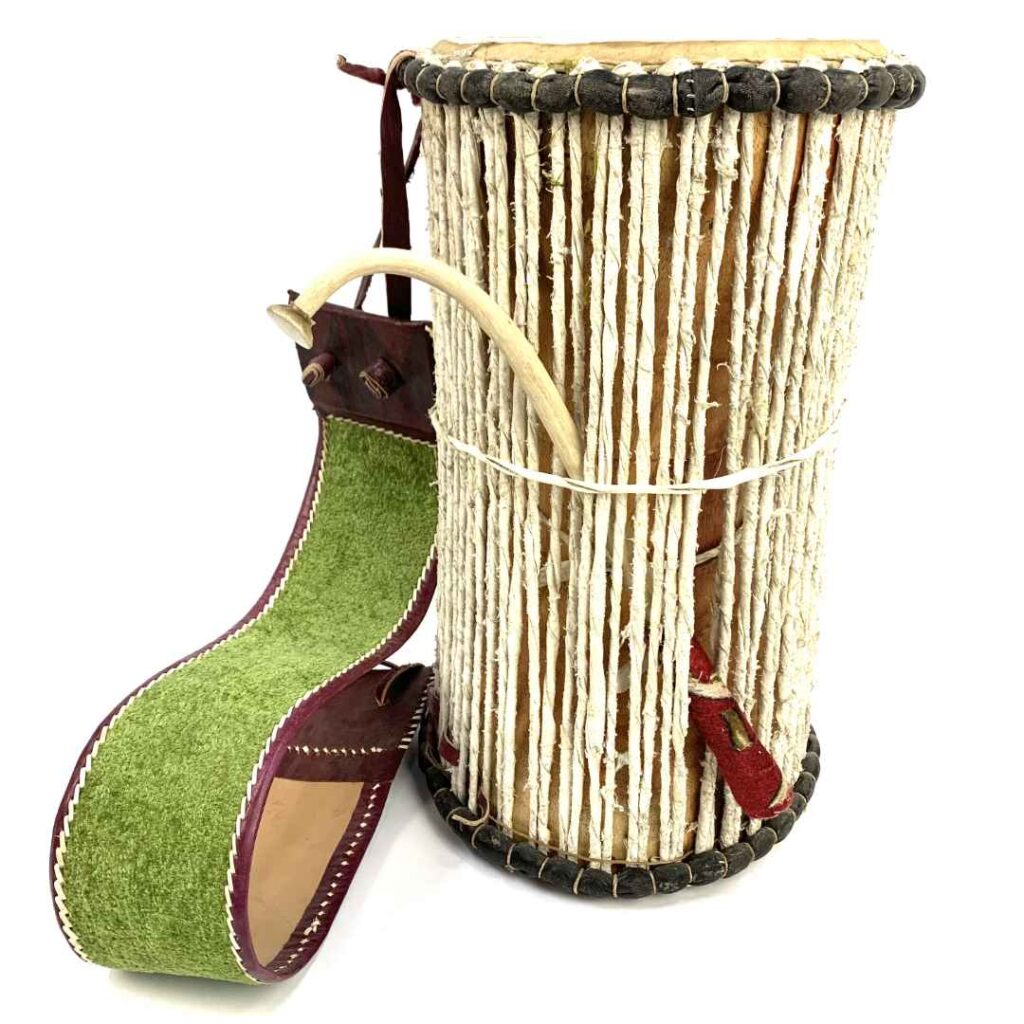
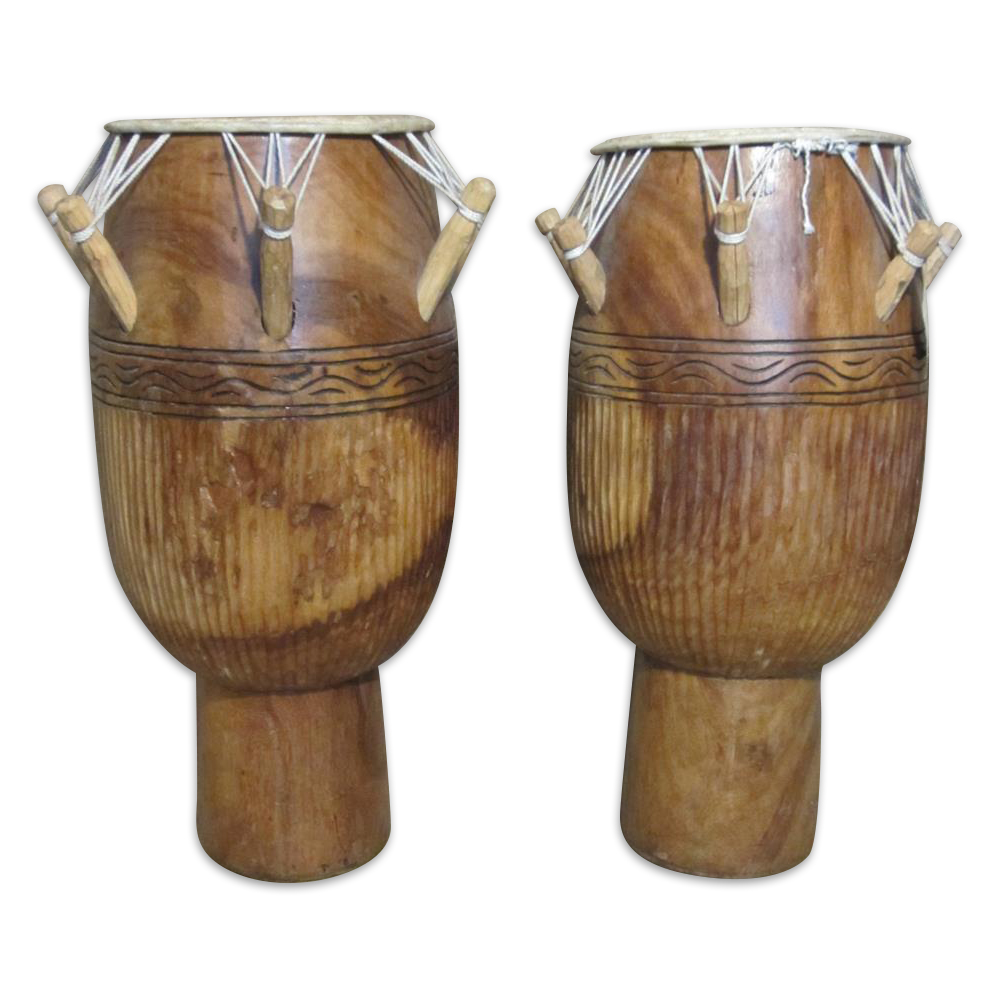
The talking drum got its name from its ability to mimic the tonal patterns of human speech.
By squeezing the cords that run along the sides of the drum while striking the head, the player can raise and lower the pitch, closely enough to replicate the rise and fall of words and phrases in tonal languages like Yoruba and Hausa.
Across West Africa, particularly in Nigeria, Ghana, and Senegal, talking drums were used for centuries to send messages between villages, announce arrivals, mark ceremonies, and tell stories.
Players could communicate complex information across long distances, making the drum a genuine instrument of language as much as music.
Today the talking drum remains an important part of West African musical tradition and is increasingly popular with performers and collectors around the world.
It is one of the most expressive and culturally significant percussion instruments in existence.

The djembe’s goblet shape creates a focused air column that gives it strong projection and tonal clarity.
It’s also one of the few drums that produces three distinct sounds from a single head: bass from the centre to the tone and slap closer to the rim. That versatility is why it’s the most common starting point for beginners, and one of the most widely used drums in group settings.
Beyond the djembe, each drum in the African percussion family has a distinct role and sound.
The bougarabou has a more tapered shape than the djembe shell, narrowing more gradually toward the base, and a warmer, richer tonal range due to the use of thicker cow skins.
Talking drums use cord tension to shift pitch mid-play.
Dununs are bass drums played with a stick, traditionally alongside the djembe.
You don’t need musical experience or formal training to start playing African hand drums.
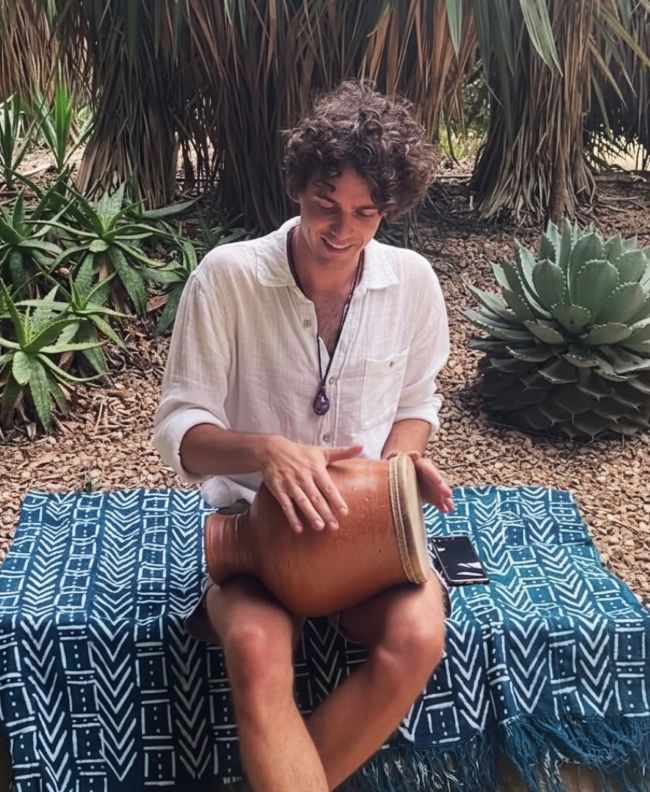
No complex technique is needed to get started. Playing with your hands rather than a stick makes the relationship between player and drum direct and physical.
Most people can hold a basic rhythm within minutes, and no prior musical experience is necessary.
African drums also lend themselves naturally to group learning.
Much of the tradition is passed on through playing alongside others rather than formal instruction.
This makes them well suited to schools, workshops, and drum circles where beginners and experienced players can share the same session.
If you’re not sure where to start, the djembe is the most common first drum, but the right choice depends on what draws you to it. We’re happy to help you work it out.
Shells are carved from medium density timbers or hardwoods — lenke, khadi, djala, dougarra, melina and iroko are the most common in West African instruments, each with slightly different tonal qualities.
Drum heads are goat or cow skin depending on the instrument.
The ropes used for tuning are high-tensile and built to hold tension over time.
Hardwood and natural skin produce a tone that develops with the drum as it’s played in and cared for.
Rope-tuned drums need re-tensioning occasionally as the rope stretches and the skin settles in.
Tightening the vertical ropes raises the pitch; loosening them brings it down.
Players develop a feel for this over time, and it becomes a natural part of looking after the instrument.
Natural skins are sensitive to heat and moisture.
Storing drums away from direct sunlight, heaters, and damp environments helps preserve both the skin and the shell.
With reasonable care, a well-made drum with a natural skin will last for many years and can be re-skinned when needed.
African drums are built for this. Djembes, dununs, and bougarabous all come from ensemble traditions, and they translate naturally into drum circles, school programs, team building, and community workshops.
We provide instruments to schools, organisations, and facilitators across Australia.
If you’re putting together a program or need help working out what suits your setting, get in touch and we’ll help you find the right combination.
Hit enter to search or ESC to close