Tuned percussion instruments produce clear notes that can be played melodically as well as rhythmically.
These instruments are often chosen by beginners for their intuitive feel, and by more experienced players for personal practice, group music-making and sound healing.
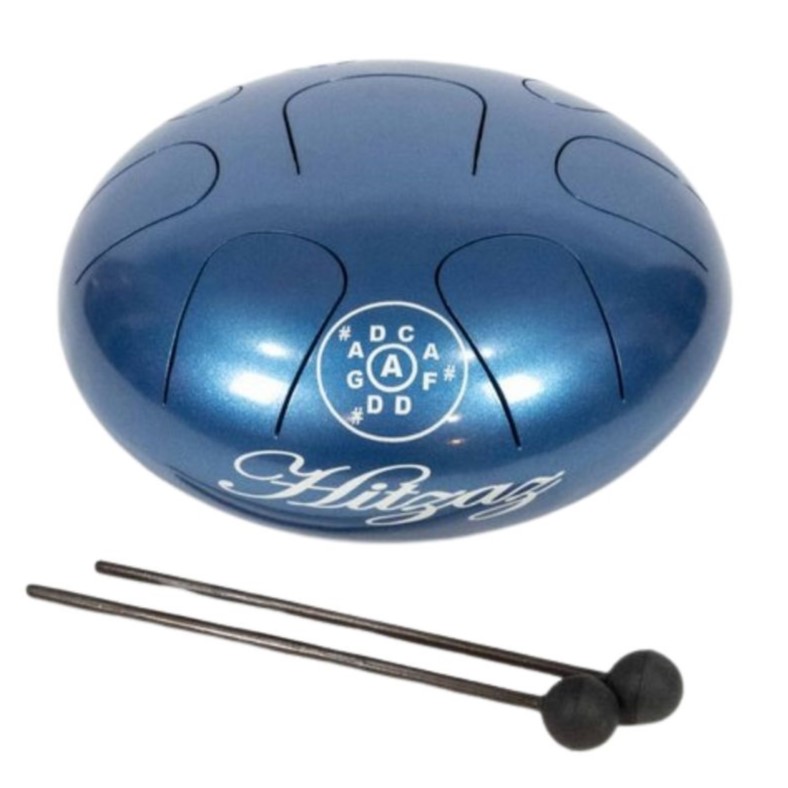
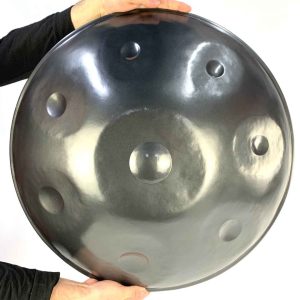
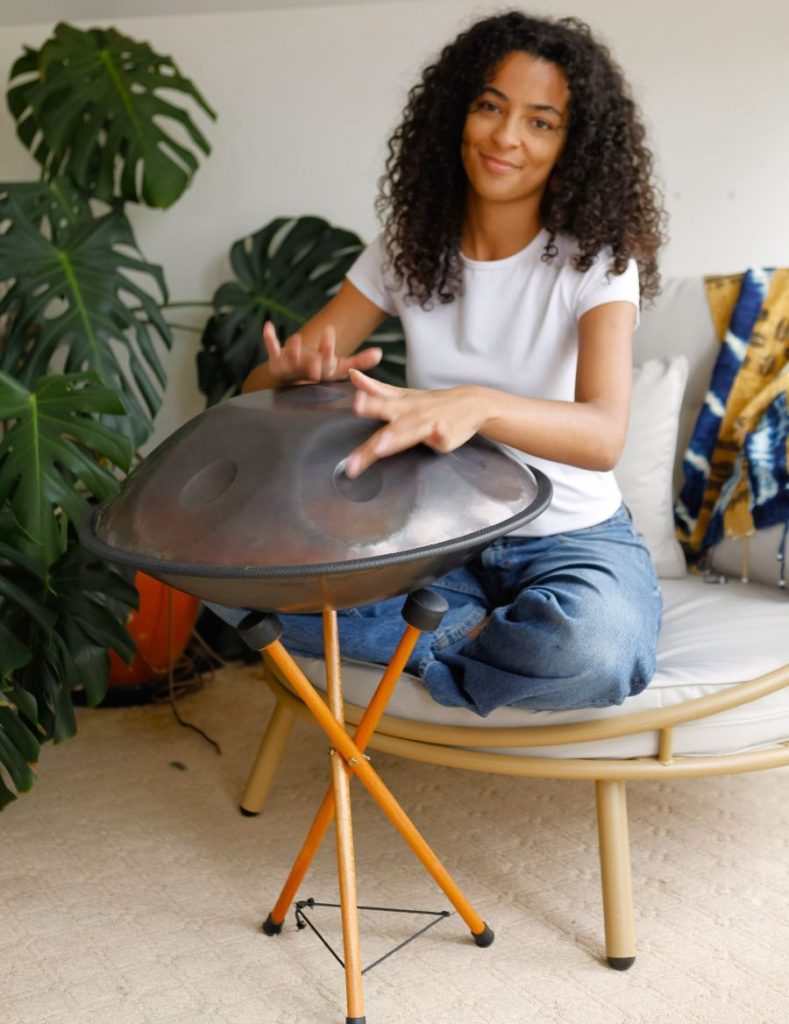
The range includes melodic instruments such as steel tongue drums, kalimbas and handpans, along with other tuned pieces that respond well to light touch or simple mallets. They are commonly used at home, in workshops, educational settings and therapeutic environments, valued for their gentle tones, musical clarity, and calming qualities.
Tuned instruments produce specific pitches, allowing you to play melodies, scales, and harmonics rather than just rhythm.
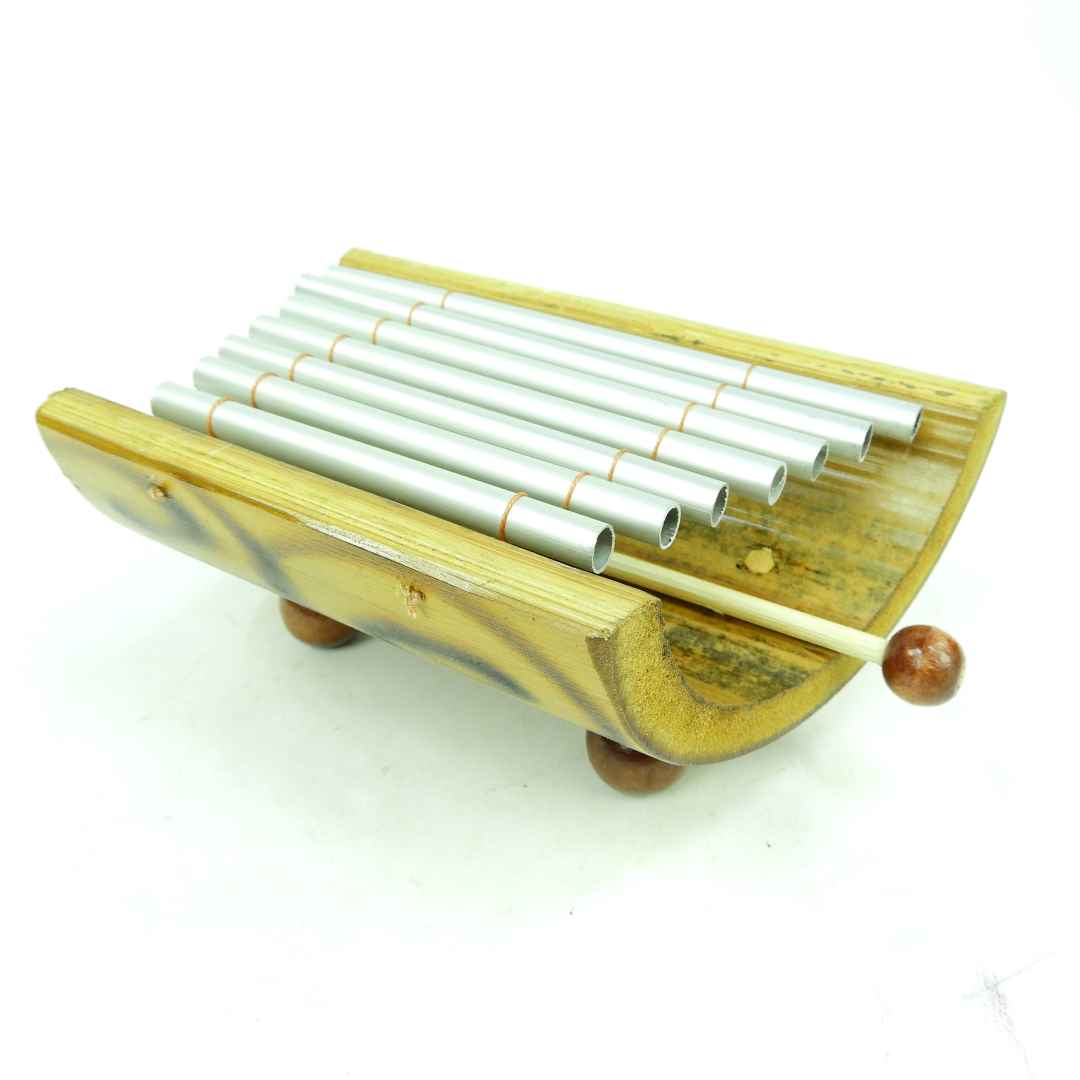
Our range includes handpans, steel tongue drums, balafons, marimbas, mbira, kalimba, and chakra tuning forks – spanning West African traditional instruments, contemporary steel instruments, and smaller melodic tools, each with its own voice and tradition.
Many sit at the crossroads of music and sound healing, accessible enough for complete beginners and rich enough in tone to support serious practice or therapeutic use.
Most instruments in this range are genuinely beginner-friendly. Steel tongue drums and kalimbas are particularly intuitive – they’re tuned so that notes naturally work together, removing the pressure of playing the wrong thing.
Handpans follow a similar logic.
If you’re drawn to a specific sound or use, that’s usually the best guide.
For meditation and sound healing, handpans, steel tongue drums, and chakra tuning forks are all popular starting points.
If you’re drawn to traditional African instruments, kalimbas and marimbas are a great place to start. Both are pentatonic, meaning they use just five notes that always harmonise, so you’ll sound musical from the very first time you play.
Both are quality instruments but they’re built differently.
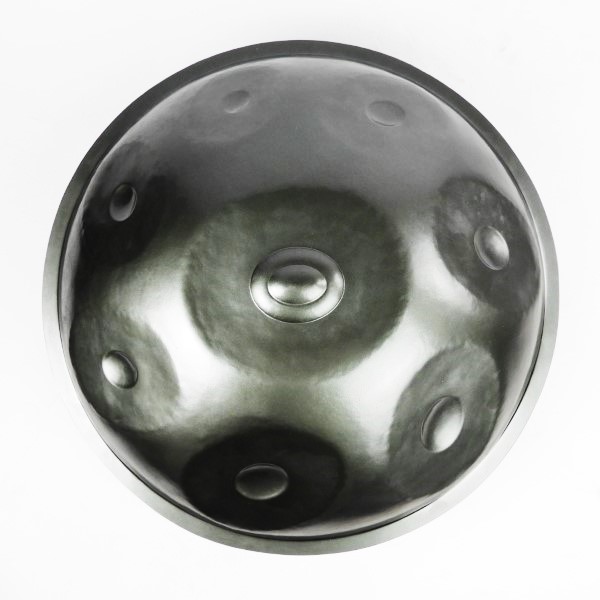
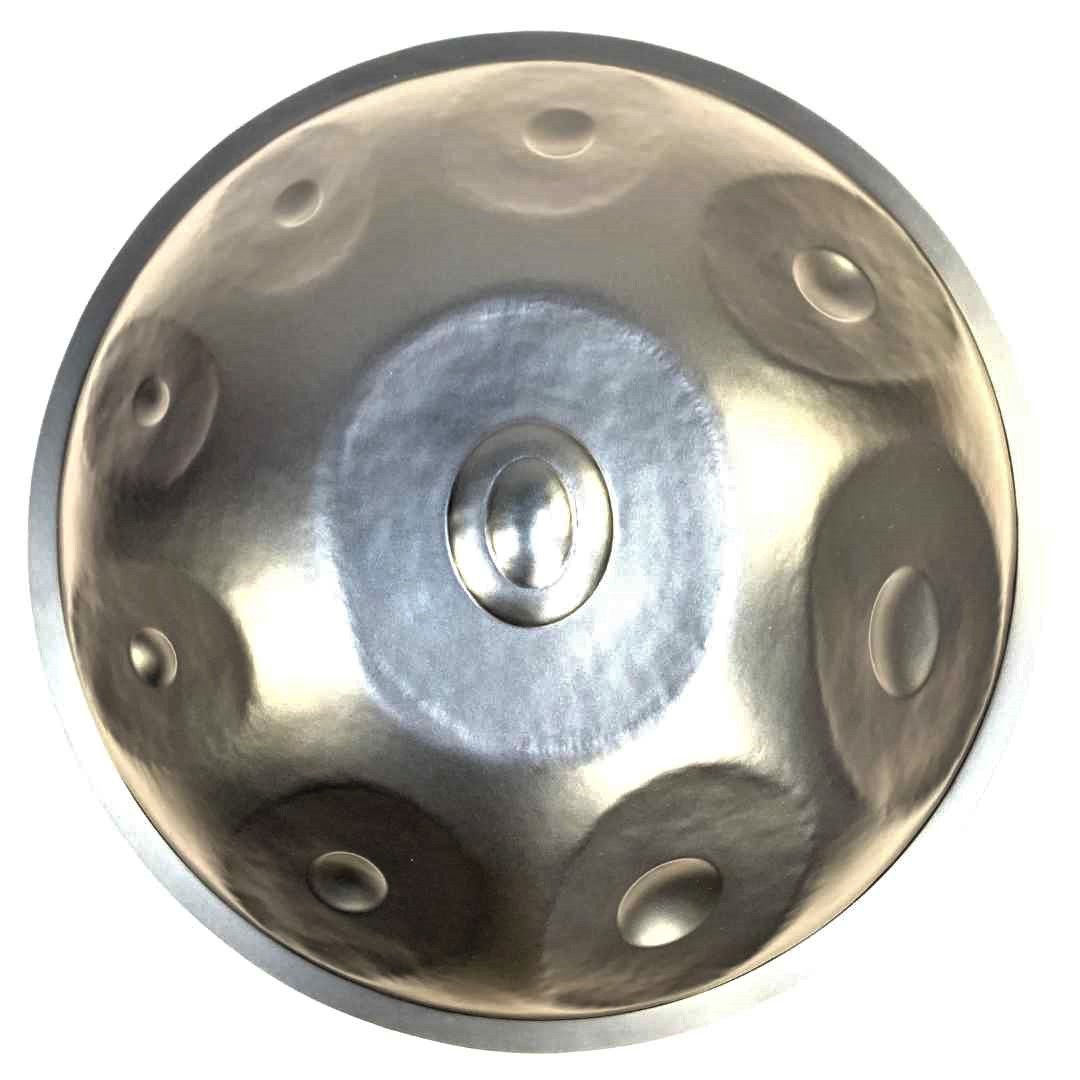
The Primo Series handpans are hand-hammered from first-grade pressed steel alloy, with a full, sustained sound and strong harmonics. A great choice for beginners and players who want a well-rounded instrument.
The Master Series handpans are crafted from a heavier, high end first-grade pressed steel alloy, giving it more depth and a more layered, complex tone.
Extra attention is given to tuning the upper sympathetic frequencies, resulting in a highly balanced sound for players who want that additional richness.
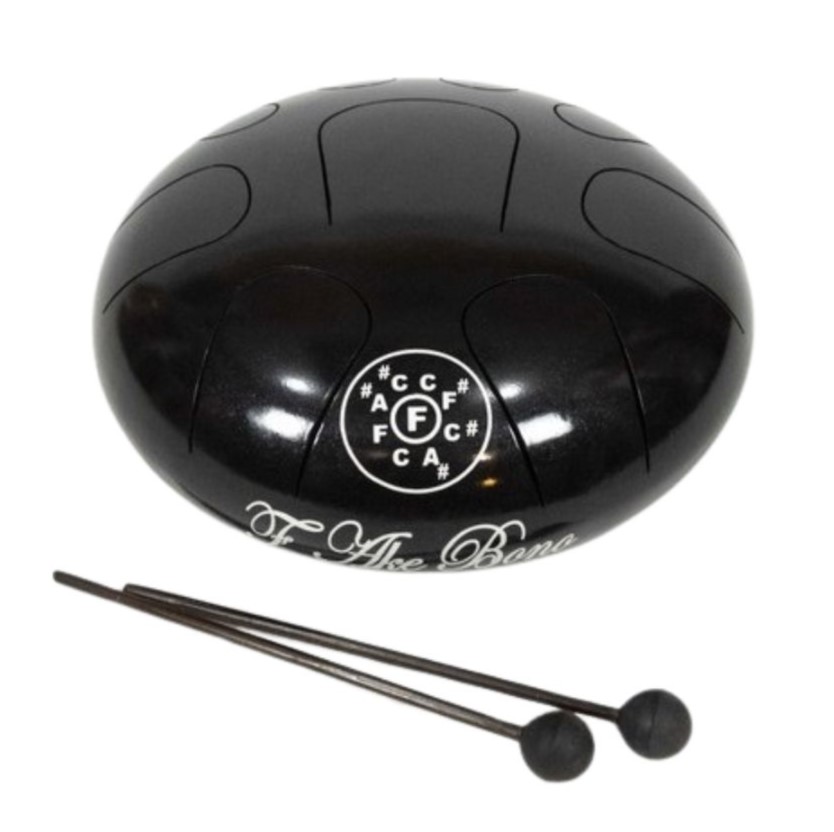
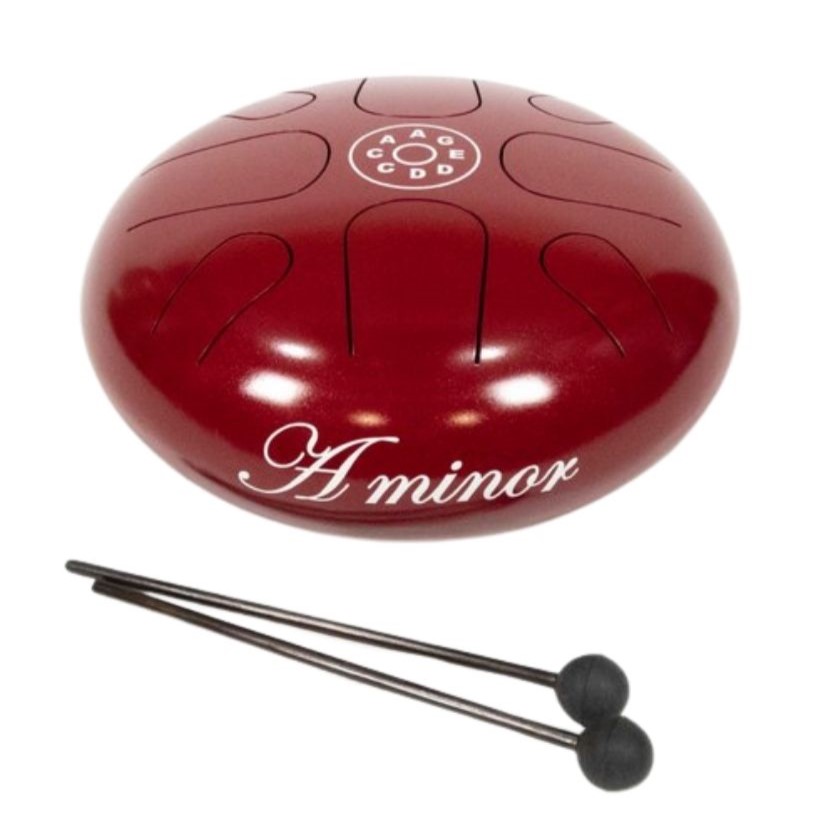
Each tuning gives the steel tongue drum a distinct character.
Pentatonic minor has an open, reflective quality well suited to improvisation and sound healing.
Pentatonic major is bright and easy, great for beginners wanting an immediately satisfying sound.
C diatonic covers a full scale and offers more versatility for melody playing.
Other tunings such as C Lydian, D Hijaz, F Akebono and C Pygmy carry a particular mood, from lighter and atmospheric to more contemplative. If you’re a beginner, pentatonic minor is the most popular starting point.
View our beginner guide to the Steel tongue drum.
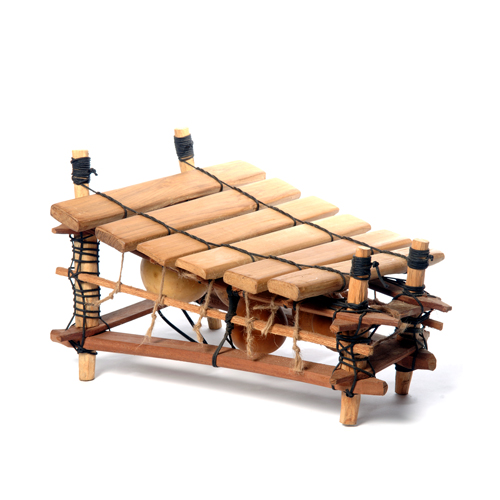
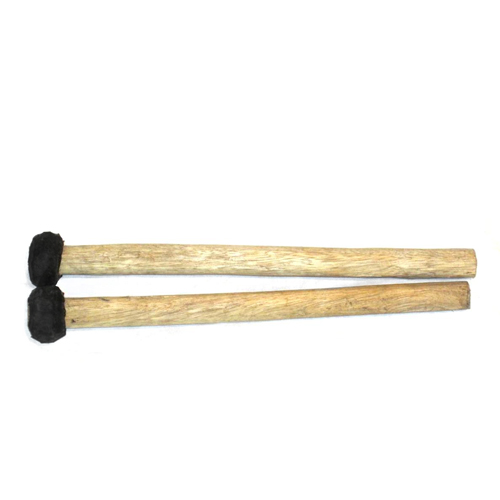
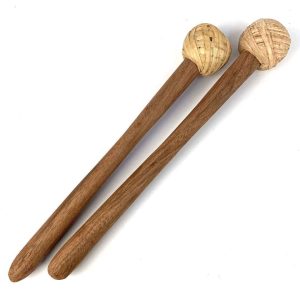
Both use wooden keys suspended over resonators and are played with mallets, but they come from different traditions and sound different. Balafons are West African instruments with roots across the region, from Mali and Guinea to Burkina Faso. The keys are kiln-dried hardwood, which give a pure and strong voice. They typically have a buzzing, earthy resonance created by a thin membrane over small holes in the resonators. This buzzing quality is a deliberate and characteristic part of the sound.
Our marimbas are handmade in Ghana with kiln-dried twenaboa keys and gourd resonators. The word ‘marimba’ comes from the Bantu languages, meaning “the wood that sings,” and that comes through in the sound. Soft in pitch and more open than a balafon, with a rich, melodic tone and no buzz.
If you want something raw and rooted in West African tradition, go for the balafon. If you’re a beginner, or prefer a cleaner, more immediately musical sound, a marimba is a good place to start.

The kalimba is a modern African adaptation of the mbira, developed to be more accessible and widely playable.
Both use metal tines plucked with the thumbs, and both produce a warm, layered sound: When one tine is plucked, adjacent tines vibrate too, adding harmonic complexity.
The mbira is the older, traditional instrument, originating among the Shona people of Zimbabwe where it holds deep ceremonial significance.
Our mbiras are made by Garikai Tirikoti, a master musician and legendary maker from Chitungwiza, Zimbabwe, known in Shona as a Gwenyambira – one who holds everything: the ancestors, our humanity, and our moral behaviour.
The kalimba is a good starting point for those new to the instrument family; the mbira carries more cultural depth and is suited to those drawn to its tradition.
Tuning forks produce a precise, sustained tone when struck and are used in sound healing, chakra balancing, and meditation.
Both of our tuning fork sets are tuned to the seven chakra frequencies, but they work differently. Unweighted tuning forks emphasise sound over physical sensation – they’re used in the air around the body, near the ears, or as a focus for listening-based practice, and are a gentle entry point into sound work.
Weighted tuning forks are built for tactile use. The added mass produces a grounded, low-frequency vibration that travels through muscles and joints and is easy to feel.
These are commonly used by practitioners working directly on or close to the body, in therapeutic or educational settings, or where physical sensation is preferred over sound alone. If you’re unsure which to choose, unweighted tuning forks suit listening-based practice; Weighted tuning forks suit body-based or hands-on work.
Absolutely! We love helping people find the right match, whether it’s an instrument, a class, or materials for drum making.You’re welcome to email or call for personalised recommendations, or chat with our friendly team through the website during office hours.
If you’re after a djembe, we offer a popular service where we send you video options based on your preferences, so you can see and hear each one before deciding.
We want you to love what you receive. If there’s an issue with your order, we’ll do our best to make it right. To request a return, please contact us within 7 days of receiving your order.
Items must be unused and in original condition.You can find the full details of our policy here, and you’re always welcome to reach out to our team with any questions.
Hit enter to search or ESC to close