Aslatua: Master Series
Sale!

Aslatua: Master Series

From

AU$18

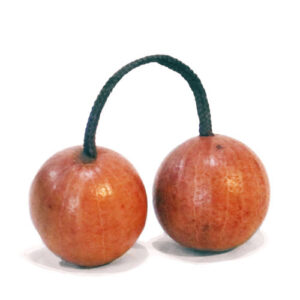
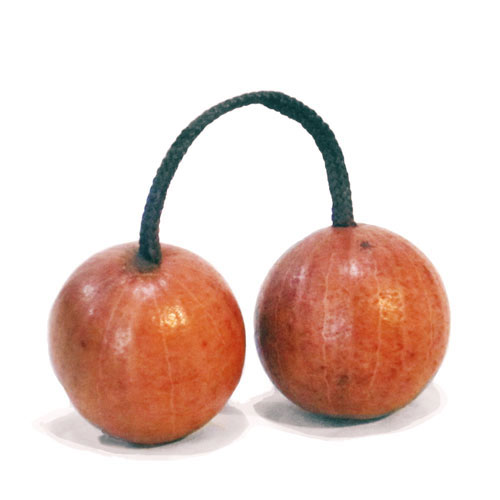
Our premium Aslatua from Ghana in West Africa. With thicker rope and filled with seeds for the traditional, rich and sandy sound.
See our sizing information and a Demo video below!

Easy Returns & Exchanges

Warranty Included

Worldwide Shipping

MORE DETAILS
Listen & Watch

We recommend using good quality headphones for all our sound grabs they’re recorded at high fidelity for your listening pleasure!

Let us help you find the perfect instrument

Need more info or guidance? Get in touch with our team for personalised advice. We’re known for our quick replies!

Call or email us on:
Product Specifications

The Difference between Standard and Master Series Aslatua
The main difference is in the rope and fill material.

Standard Aslatua use thinner rope and are filled with pebbles or small stones, giving a brighter, lighter sound.

Master Series use thicker rope and seed fill, producing the deeper, richer, sandy tone the instrument is known for.

Pod appearance: The finish and colour of the pods can vary for both series depending on age, harvest time, and natural variation. Pod colour does not indicate which series you are receiving.

2nd Grade Aslatua
A 2nd grade aslatua has a small crack in one of its two gourds, repaired and sealed to keep the gourd fully intact for regular play. The repair sits on the outer shell only, it doesn’t reach the seeds or pebbles inside, so the sound and playability match a 1st grade set. Because of the visible repair, 2nd grade aslatua are priced lower than standard stock.

Finding the Right Size For You
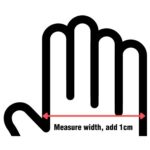
On average, the correct string length will be found by taking the width of your palm at the base of the fingers and adding 1cm.
Pod size is a more personal factor. Smaller pods are quieter and more shimmery in sound. They’re also better suited to small hands. Bigger pods have a more percussive sound and are best suited to those with large hands. Medium pods have a nice balance between comfort and volume.
If you’re uncertain, feel free to provide your palm measurements and hand size in the comments section of the order, and we will do our best to choose the perfect aslatua for you.
All sizes are available. For large pods, only the medium and large strings are available

Pronounced “us-la-twa”, this simple and unique traditional instrument (also known as asalato, kashaka, cascas, televi, kasso-kassoni) originates from Ghana. Each pod is a gourd from the Swawa tree. When the gourds dry and fall off the tree, children collect them then give them to elders who hollow and fill them with orange pebbles from the iron-rich soil of the Sahel.

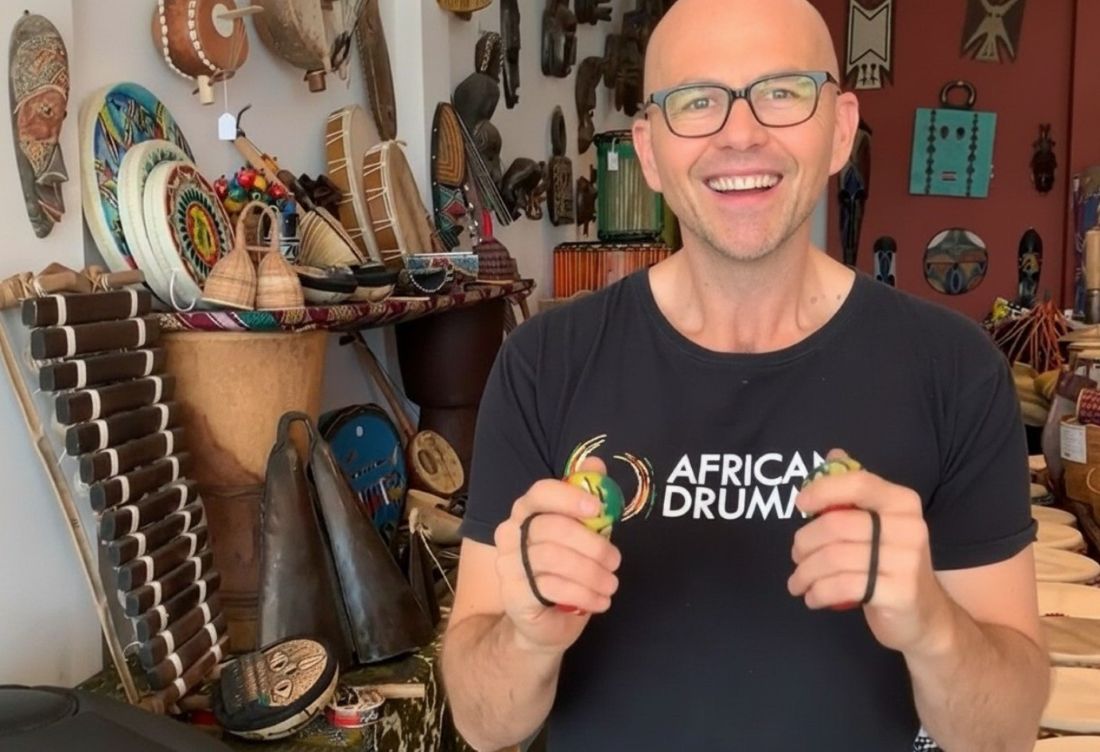
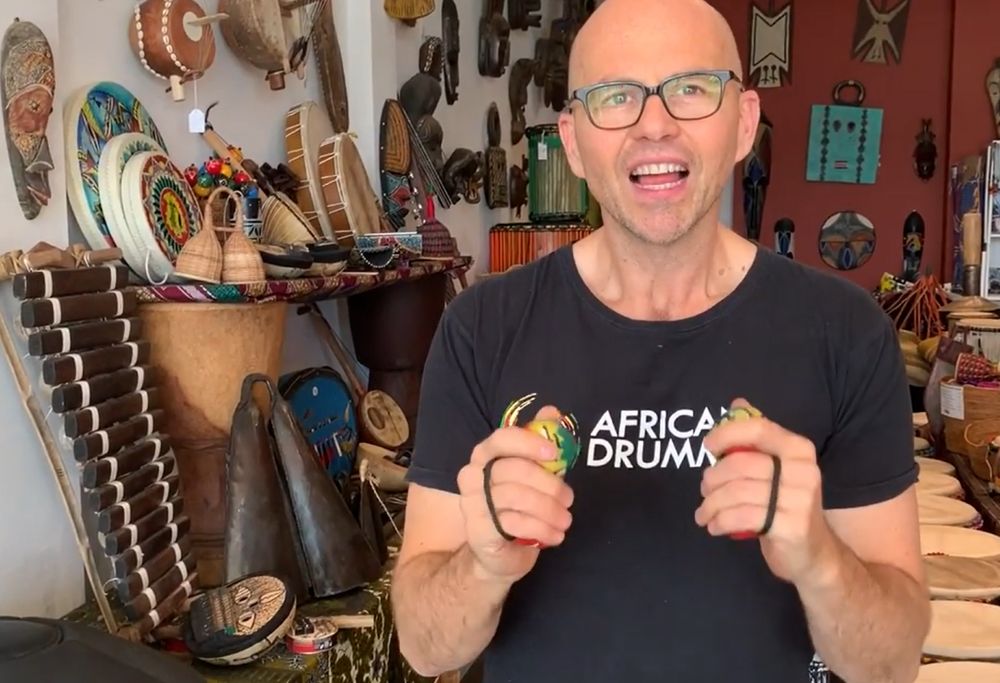
Aslatua are played by holding and shaking one gourd in the palm while swinging the second gourd around, creating both sandy shaking sounds and percussive clicks when the two connect. They are typically played in pairs (one in each hand), and are capable of producing complex polyrhythms.

We dispatch most orders on the same day and ship across Australia and worldwide. Metro deliveries in Australia usually arrive within 2–5 business days, and express options are available at checkout; regional and international timeframes depend on the destination. You’ll receive tracking details when your parcel is on its way.  

Need to return your order? Let us know within seven days of delivery. Please keep the item unused and in its original condition. Full details are in our Shipping & Returns policy.

How can I learn to play Aslatua?
Aslatua are played by holding one pod in the palm while swinging the second pod around it, creating sandy shaker sounds and percussive clicks as the two connect.
Once you understand that basic movement, you can gradually build into faster patterns and polyrhythms.
Our Aslatua video guides break the technique down step by step, from simple shaker patterns to more intricate playing. They’re helpful if you’re new to the instrument and want to build the speed, flow and coordination that make Aslatua so fun to play.

What can you do with Aslatua once you learn the basics?
Once the basic movement feels comfortable, Aslatua can be used for timing, hand coordination and polyrhythmic playing. Many players start with simple shaker patterns, then work toward faster movements, layered patterns and more intricate rhythmic phrases.
This is part of what makes the Aslatua so satisfying to learn: the instrument is simple in form, but capable of surprisingly expressive playing.

Should I choose Standard or Master Series Aslatua?
Standard Aslatua use thinner rope and are filled with pebbles or stones, giving them a slightly earthier sound.
Master Series Aslatua use thicker rope and are filled with seeds, creating a brighter, more defined sandy sound. If you’re practising patterns and want to hear the detail clearly, the Master Series is often the stronger choice.
Standard Aslatua are still a good option for beginners, classrooms or casual playing.

What size Aslatua should I choose if I’m buying online?
Aslatua string length is usually chosen by measuring the width of your palm at the base of the fingers, then adding around 1cm. Pod size affects both comfort and sound.
Smaller pods are easier for smaller hands and have a lighter shimmer, while larger pods are louder and more percussive. Medium is a good middle ground if you want balance between feel and volume.

What are Master Series Aslatua made from?
Master Series Aslatua are made from natural Swawa tree pods from Ghana, connected with thicker rope and filled with seeds. This instrument is also known in different regions as asalato, kashaka, cascas, televi or kasso-kassoni.
The seed filling gives the Master Series a brighter, sandy sound than Standard Aslatua, which are filled with pebbles or stones.

 

Our Aslatua video guides break down the hand movements step by step, from simple shaker patterns to more intricate playing and polyrhythms.
They’re a useful starting point for beginners and a helpful reference as your coordination develops.

Recently Viewed
0
0
Your Cart
Your cart is emptyReturn to Shop

Hit enter to search or ESC to close