
Roots of West African Drumming
Across Guinea, Mali, Ghana, Senegal, Burkina Faso, and Ivory Coast, West African Drums have long been woven into daily life, ceremony, storytelling, and community connection.
Distinct rhythms, techniques, carving styles, and forms continue to shape the musical landscape today, influencing genres from hip hop and jazz to house music and sound healing.
Some drums are built to carry across open spaces, others to sit gently in a room. Some spark movement instantly, while others invite listening first. Every detail from the tension of the skin to the curve of the shell shapes how a drum sounds and where it belongs.
This guide explores those differences, helping you recognise which instruments suit a circle, a classroom, or a quiet moment at home.

What Makes West African Drums Unique?
West African drums are more than musical instruments. They’ve long been used as a form of communication.
Rhythms carry messages, mark events, and guide movement.
In griot traditions, where history is passed through music, instruments like the djembe support storytelling and memory.
Patterns are learned by listening, responding, and moving, not by reading notation. Call-and-response sits at the centre of many styles. One drum calls, others answer. Dancers respond. This creates a strong link between rhythm, movement, and community.
Learning these drums means respecting where they come from, how they are used, and why they sound the way they do.
The Most Popular West African Drums (Beginner-Friendly Overview)
If you’re new to African drumming, these are often the first instruments people encounter. Each has a clear cultural origin, a defined role in ensemble playing, and a distinct sound that makes it suitable for beginners and group settings.
Associated with Guinea, Mali and Ivory Coast. In an ensemble, Djembes can lead, support or solo. A goblet-shaped hand drum known for three clear sounds: bass, tone, and slap. It’s popular with beginners because one drum can lead, support, or solo in a group.
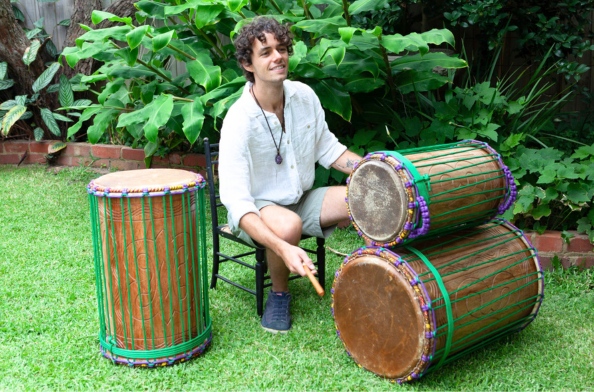
Coming from the same regions as Djembe and played as a family of bass drums. Cylindrical drums played with sticks that provide deep, steady bass foundation in the ensemble. Sets usually include Dununba, Sangban, and Kenkeni.

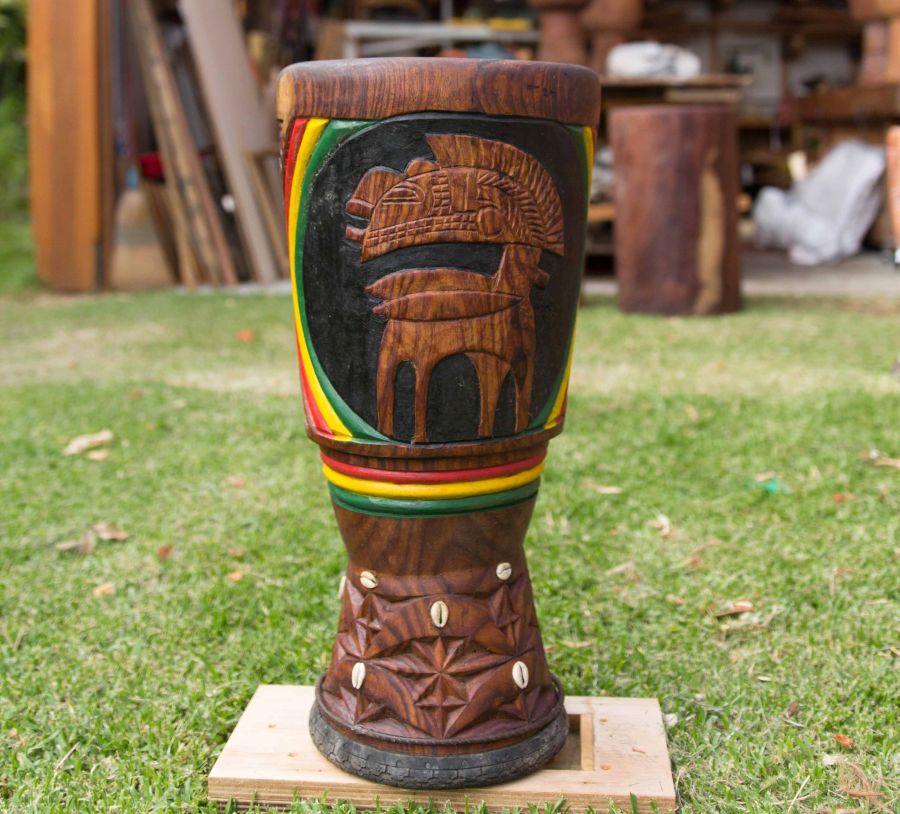
Originates from Ghana and tied o dance and youth culture. A barrel-style drum with short, bright attack to create punchy phrases for dancers. It’s closely tied to dance and youth culture, making it lively and engaging for new players.
Traditionally played in Senegal and The Gambia. A tall goblet-style drum with warm, earthy sounds. Its deeper shell and softer attack creates an earthy resonant feel that blends naturally with other drums. Traditionally used in community celebrations.
Comparing Drum Shapes and Sounds
Understanding drum shape helps you choose an instrument that fits the space, volume, and style of playing you need.
Goblet-shaped drums (e.g. djembe, bougarabou) combine a wide head and flared base to produce a full range of bass, tone, and slap with strong projection.
Cylindrical drums (e.g. dunun,) have straight walls that emphasise deep, steady bass, ideal for grounding ensemble rhythm.
Barrel-shaped drums (e.g. kpanlogo) sit between goblet and cylinder, offering punchy mid-range tones that support dance-driven music.
Frame drums (e.g. shamanic frame drum) are shallow and wide, creating an open, soft sound suited to subtle pulse and listening-focused settings.
Bowl-shaped drums (e.g. udu) use moving air rather than a skin, producing rounded, breath-like tones that stay gentle and intimate.
How to pick the right drum for you
Choosing the right African drum starts with who will be playing it and where. For younger players or beginners, lighter drums with smaller heads are easier to hold, control, and enjoy without fatigue.
Older players often suit larger drums, where extra surface area supports hand size and allows more tonal versatility.
If you’re drawn to sharp, expressive slaps and dynamic contrast, goblet drums like the djembe are a good fit. If you prefer deep, grounding tones that sit underneath other rhythms, bass drums such as dun duns are better suited.
Durability plays a big role in long-term use. Thick skins and solid builds handle frequent playing and make learning smoother. For solo play, tonal range keeps practice engaging; for groups, supportive bass drums help everyone lock into a shared rhythm.

