
Handpan care in 30 seconds:
Wipe after playing.
Let it dry before closing the case.
Oil lightly when needed.
Keep it away from damp rooms and direct sun.
Play with a soft touch.
Key Takeaways
- Wipe your handpan with a microfibre cloth after every session. Sweat, oils, and salts are the main rust triggers, and a quick wipe takes 30 seconds.
- Nitrided and stainless steel handpans have different maintenance needs. Knowing which you have changes how often you oil and how closely you monitor for rust.
- How you play affects how long your handpan stays in tune. A relaxed touch protects the instrument; striking too hard does real long-term damage.
- Never seal a damp handpan in its case. Let it air for 10–20 minutes first and keep silica gel packs inside the bag.
Not All Handpans Need the Same Care
Not long ago, a customer walked into our shop with a handpan he’d bought online for $400.
He wanted to check if it was in tune, as something had started sounding off to his ear.
The metal was noticeably light when picked up, almost half the weight of any handpan we’d handled before.
When struck, the tone was harsh and metallic. Most of the notes felt dissonant.
There was no coherent melody to find, and none of the resonance that makes a handpan feel alive in your hands.
It had come from Temu.
He left without a quick fix, but with a clear understanding of what to look for next time, and why hearing a handpan before you buy it matters more than almost anything else.


A quality handpan is a precision instrument.
The tuning is set by hand during manufacture, and every note is voiced to work in harmony with the others.
This guide is about protecting that precision, through daily habits, proper storage, and understanding what actually damages a handpan on the long run..
We cover the simple habits that matter most: wiping, oiling, drying, storing, transporting and knowing when a handpan needs professional attention.
Why Handpan Care Matters in Shared Environments
In workshops, school programs, and corporate sessions, a handpan passes through many hands in a single day.
Each player leaves behind oils, salts, and moisture from their skin.
None of this is harmful in the moment, but it accumulates quickly without a routine in place.
Sweat is the main concern. Human perspiration contains salts that, left on steel, accelerate corrosion, particularly on nitrided handpans, which are more porous and reactive than stainless steel.
A surface that feels fine after one session can show early rust spots within weeks if it isn’t wiped down consistently.
Beyond rust, residue affects playing.
A slightly greasy or damp surface changes how the fingertips contact the tone fields, and subtle changes in contact point affect both tone and control.
For new players especially, an instrument that responds inconsistently is harder to learn on.
A clean handpan changes how people handle it.
It tells participants the instrument has been cared for, and encourages them to treat it with the same attention.
Common Risks from Poor Handpan Maintenance
Most handpan damage is slow and avoidable.
It rarely happens in a single session; it accumulates through habits repeated dozens of times.
Rust and corrosion are the most common issues, particularly with nitrided steel.
Leaving a handpan in a damp garage, storing it in its case while still warm from playing, or keeping it near a window in a coastal area all introduce moisture gradually.
Even stainless steel handpans can develop rust spots and staining under persistent damp conditions.
Tuning drift is less well known but equally real. Handpans are precision-tuned instruments and respond to how they are played.
Striking too hard, a natural instinct for anyone coming from drums or general percussion, causes the tone to choke, harmonics to disappear, and the sound to become harsh.
Over time, consistent forceful playing can affect tuning.
A handpan responds best to soft, relaxed taps with the fingertips.
Think of it less as striking sound out and more as drawing it out.
Case damage is often overlooked. Sealing a handpan while it is still warm or slightly damp from a session traps moisture inside the foam lining.
That moisture has nowhere to go and concentrates on the instrument’s surface.

How Regular Cleaning Reduces Risk
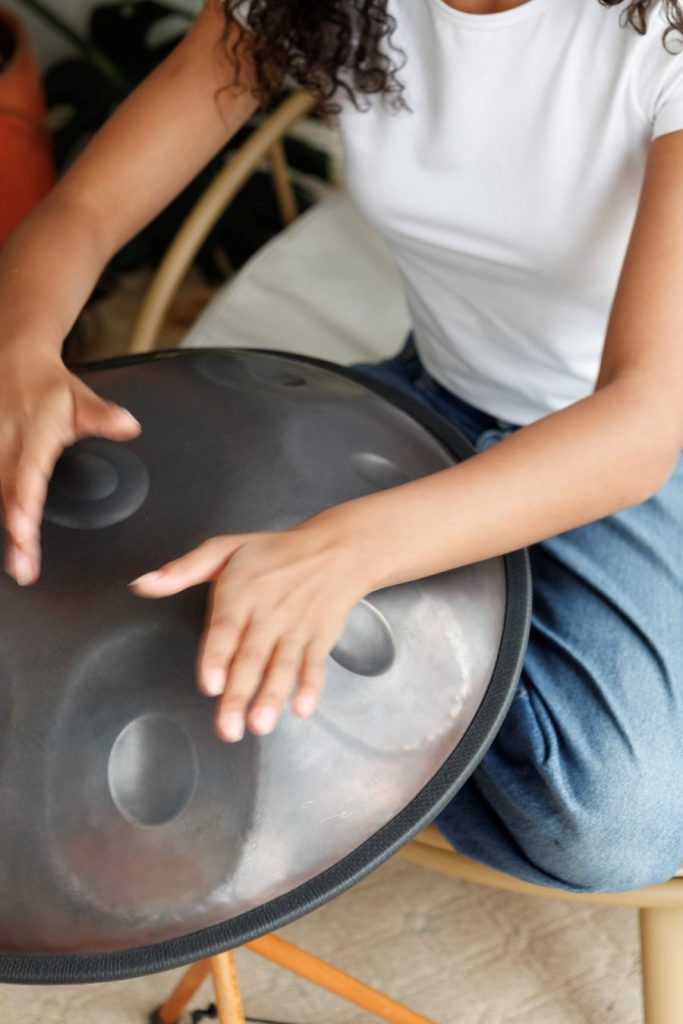
A consistent wipe-down does three things at once: it removes the rust triggers (sweat, oils, salts), it preserves the playing surface, and it gives you a chance to check the instrument up close for early warning signs.
Early rust spots, small orange flecks usually appearing on the underside or rim first, are common and often treatable at home if caught quickly. A microfibre cloth and a small amount of oil, worked gently across the affected area, will usually address surface oxidation before it goes deeper. What makes them serious is leaving them unattended.
How to Clean a Handpan
After every session: Wipe both surfaces of the handpan, the top dome and the underside, plus the rim and inside the opening, using a soft microfibre cloth. Work gently across the tone fields rather than scrubbing. This removes fingerprints, sweat, and surface moisture before they can sit on the steel.
Every 6 to 12 months: Clean the handpan more thoroughly using isopropyl alcohol or ethanol-based rubbing alcohol diluted to 50–75%, applied with a soft cloth.
Cover both sides, the rim, and the inside.
This strips the surface of built-up oil and residue.
Because it also removes any protective oil layer, reapply handpan oil after the alcohol dries.
This deeper clean applies primarily to nitrided handpans; stainless steel benefits from the same wipe-down but requires it less frequently.
Oiling: For nitrided handpans, we recommend Phoenix oil. Apply a few drops to a microfibre cloth, not directly to the instrument, and wipe a thin, even layer across the surface.
Let it sit briefly, then buff off the excess.
The surface should feel lightly protected, not greasy.
Stainless steel handpans are highly resistant to rust and need less frequent oiling, though a light application every few months maintains the surface.
Use only oils or waxes made for handpan care.
Avoid harsh chemicals, abrasive cloths, steel wool, and any cleaning agents not designed for steel instruments.
Building a Simple Handpan Care Routine
The goal is a routine light enough that it actually happens.
A handpan that gets wiped every time it is played is in significantly better shape after two years than one that gets a thorough clean twice a year and nothing in between.
After each session: Wipe down with a microfibre cloth. Let the instrument air for 10–20 minutes before putting it away, particularly after playing in a warm room or with a group.
Monthly: Check for any visible residue, discolouration, or early rust spots. Apply a light coat of oil if the surface looks dry.
Every 6–12 months: Full alcohol clean followed by re-oiling.
Case care: Keep silica gel packs inside the bag, especially through humid months.
Check that the foam lining isn’t retaining moisture. Leave the zip slightly open if the handpan is going into storage for more than a few days.
Handpan Storage and Transport
Many instruments are damaged when they’re not being played. Knocks during transport, exposure to temperature changes, and poor storage conditions account for a significant portion of the issues we see.
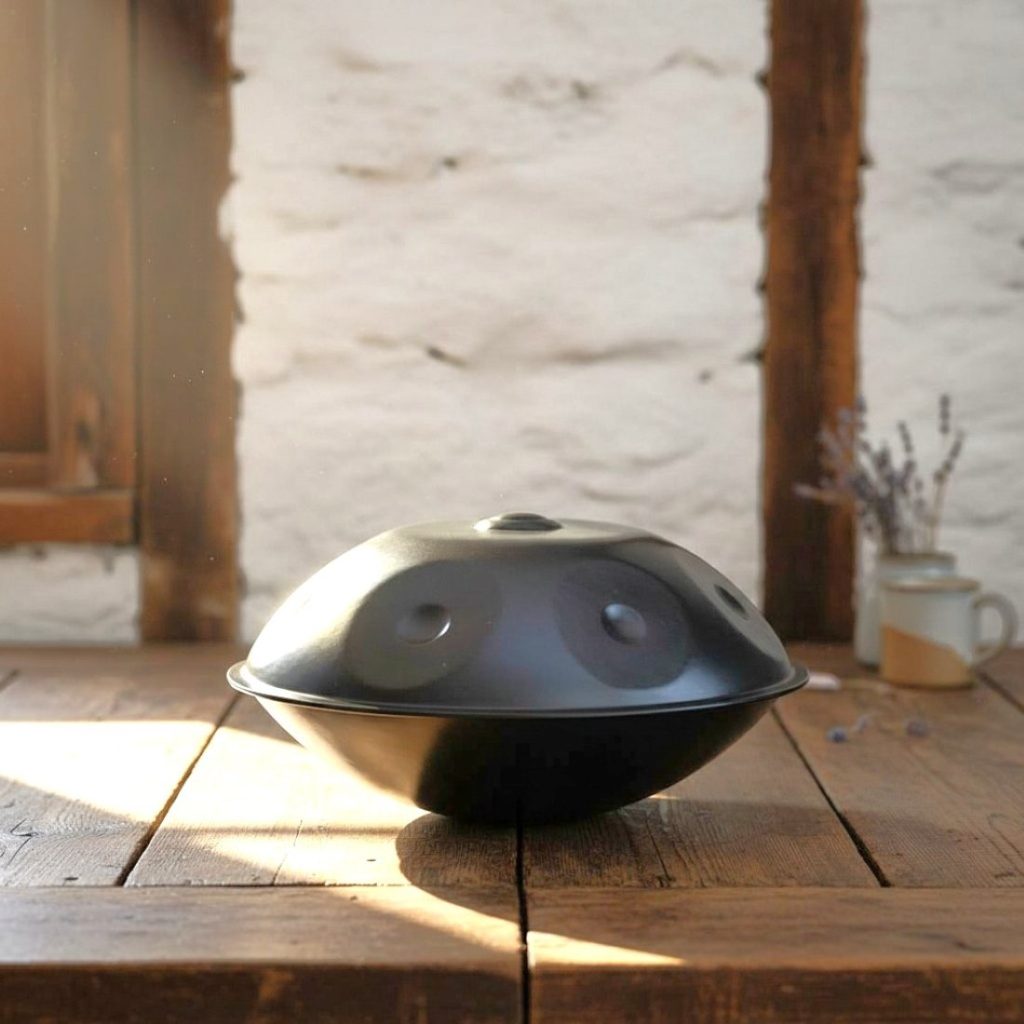
A handpan hardcase provides structured impact protection and is a good option for anyone transporting between venues regularly, particularly facilitators, schools, and performers.
A handpan backpack allows safe, balanced carry for shorter trips and fits comfortably on public transport.
Keep the handpan in a cool place away from direct sunlight. Avoid damp rooms, garages, and anywhere with significant humidity fluctuation.
If stored in its case long-term, leave the zip a quarter open to allow moisture to release, and check periodically that the foam hasn’t become damp.
Coastal environments deserve a specific mention. Dry conditions most of the year can give a false sense of security. Coastal salt air still affects steel instruments over time, and instruments kept near windows or outdoor areas in seaside locations need more regular maintenance than those kept inland.
Handpan Care in Workshops and Shared Settings
When a handpan is shared between multiple players in a single session, a few small adjustments make a real difference.
Wipe the instrument briefly between participants, particularly in longer workshops where hands-on time is extended.
Encourage participants to play with a light touch from the start, not just because it protects the instrument, but because a handpan genuinely responds better that way.
A handpan often sounds better when there is space between notes.
The sustain needs room, and simple patterns played softly usually carry better than fast, heavy playing.
New players often overplay, filling every silence, striking too hard, playing too fast. Guiding them toward a lighter approach improves both the experience and the instrument’s condition over time.
Handpan Tuning and Long-Term Instrument Lifespan
At African Drumming, we regularly help customers compare, care for and assess handpans in-store, including instruments that need cleaning advice, rust checks or retuning guidance. That hands-on experience shapes most of what is in this guide.
A well-made handpan holds its tuning for years under normal playing conditions. Some minor pitch settling in the first weeks after purchase is normal as the instrument is played regularly for the first time. Beyond that, tuning is largely stable, provided the instrument is played with a relaxed touch and stored correctly.
If a handpan goes noticeably out of tune, retuning should be done by a professional. It requires specialist skill and equipment, and attempting it at home risks permanent damage to the tone fields. If you’re unsure about your handpan’s condition, get in touch and we can advise.
Understanding the steel type you’re working with also shapes long-term expectations. Nitrided handpans, including our Primo Series and the nitrided Master Series, produce a warm, earthy tone and need regular oiling to maintain the surface. Stainless steel handpans, including the stainless Master Series, are more resistant to rust, produce a brighter sound with longer sustain, and require less frequent oiling. Both are excellent instruments with different characters; the care requirements simply differ.
Handpan Care: The Short Version
Wipe it after you play.
Let it breathe before you close the case.
Oil it occasionally.
Store it somewhere dry.
Play it with a light touch.
None of this is complicated ot takes long. A handpan cared for consistently sounds better, stays in tune longer, and remains a genuine pleasure to play.
If you have questions about caring for a specific instrument, or want advice on which handpan suits your playing style or setting, get in touch and we can help.
Handpan Care: Common question
How often should I oil a handpan?
For nitrided handpans, apply a light coat of handpan oil when the surface looks dry, after a deeper alcohol clean, or more frequently in humid or coastal conditions.
As a general guide, monthly checks are a good habit; oil when needed rather than on a fixed schedule.
Stainless steel handpans are more resistant to rust and need less frequent oiling, though a light application every few months keeps the surface in good condition.
Can I clean a handpan with alcohol?
Yes, but only occasionally, as a deeper clean rather than a regular routine.
Use isopropyl alcohol or ethanol-based rubbing alcohol diluted to 50–75%, applied with a soft cloth across both sides, the rim, and the inside. The alcohol strips the surface of built-up oil and residue, so reapply handpan oil once it dries. This applies primarily to nitrided handpans. Stainless steel benefits from the same process but needs it less often.
Can a handpan go out of tune?
Yes. Heavy or repeated forceful striking is the most common cause of tuning drift over time.
A handpan responds best to a soft, relaxed touch with the fingertips; playing too hard causes the tone to choke and can gradually affect the tuning of individual notes.
Impact damage and poor handling can also shift tuning. If your handpan sounds off, retuning should be done by a professional using specialist equipment.
Get in touch if you’re unsure and we can help assess it.
Should I store my handpan in its case?
A case protects the instrument from knocks and dust, but don’t seal it away while it is still warm or damp from playing.
Let it air for 10–20 minutes first.
Keep silica gel packs inside the bag to absorb moisture, and leave the zip slightly open for longer-term storage.
Check occasionally that the foam lining hasn’t become damp, as trapped moisture will sit against the steel.
What is the difference between nitrided and stainless steel handpans?
Nitrided handpans are made from carbon steel treated with a nitriding process, which hardens the surface and provides some rust resistance.
They produce a warm, earthy tone with good sustain, and are the most traditional handpan material.
They need regular oiling and more consistent maintenance than stainless steel.
Stainless steel handpans are a more recent development, producing a brighter, clearer sound with longer sustain and significantly better rust resistance. Less oiling is needed.
Both types are available in our range; the steel type is noted in each product description.
